Centro Sabiá and ISA put the Caatinga biome on the COP30 agenda
By Rosa Sampaio
Sabiá Center journalist
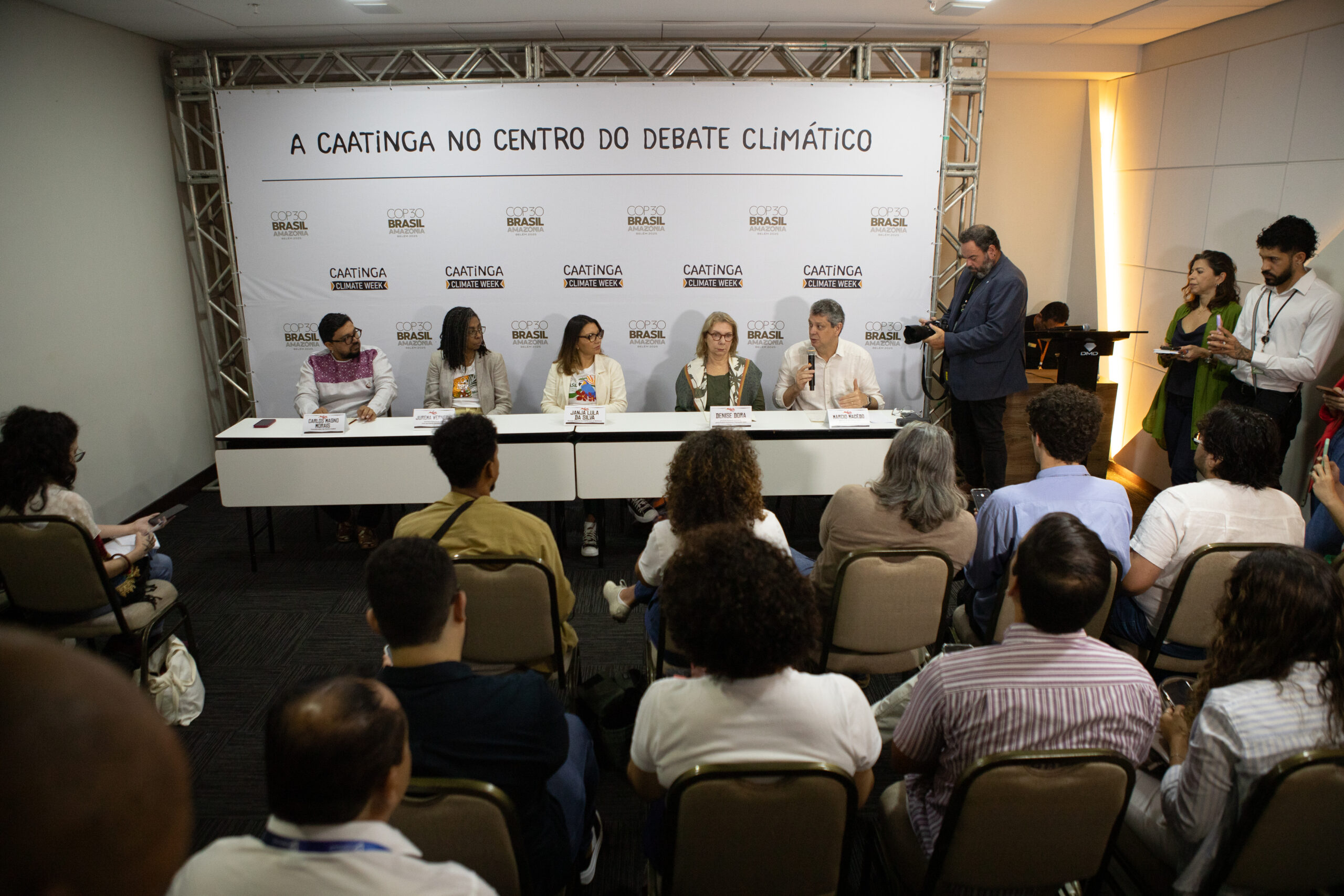
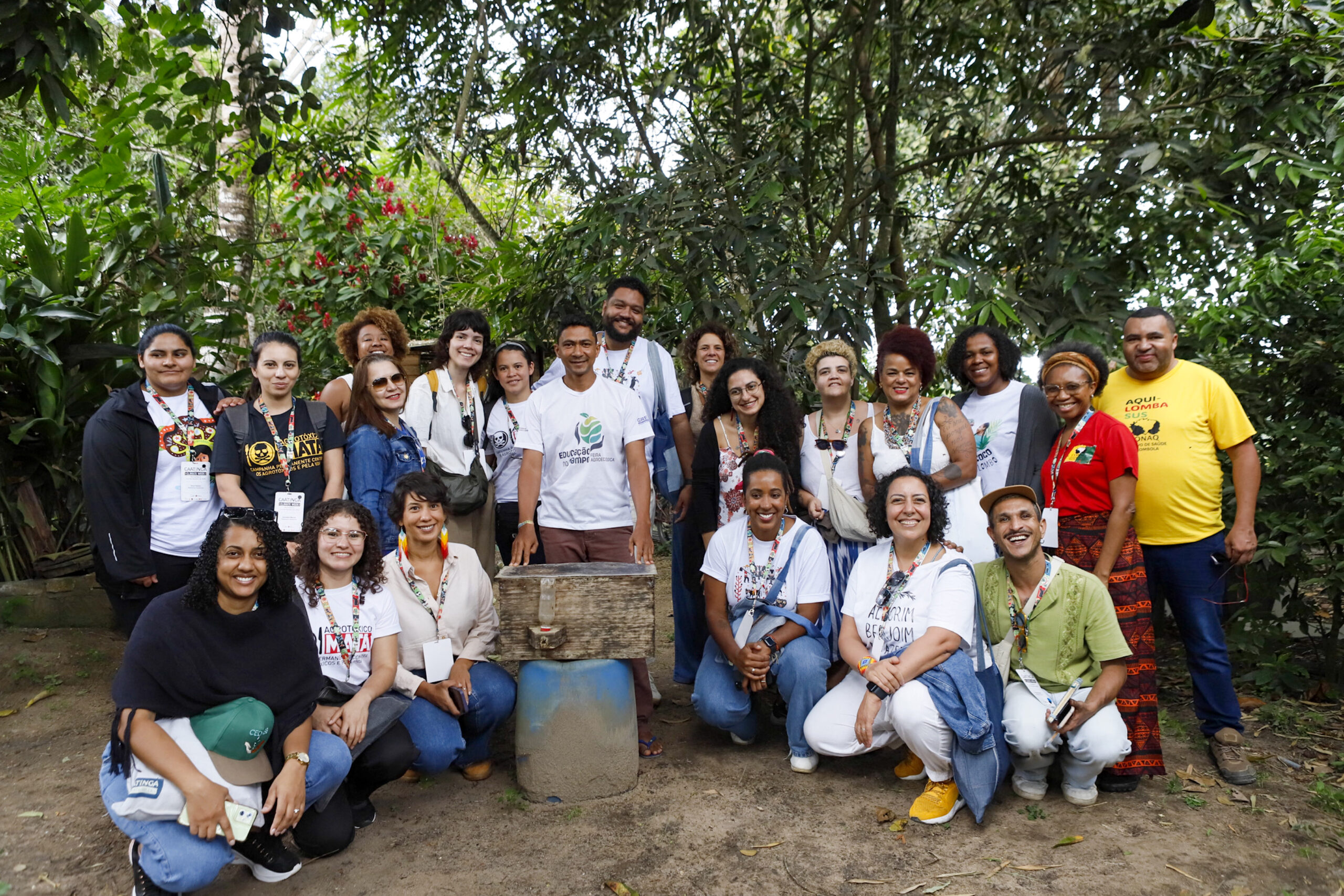
From October 1 to 4, 2025, the semi-arid region of Pernambuco was the setting for Caatinga Climate Week, an event inspired by climate weeks such as the one in New York, organized by the Sabiá Center and the Socio-Environmental Institute (ISA), with the aim of putting the biome on the global climate agenda.
For Carlos Magno de Morais, one of the coordinators of Centro Sabiá, Caatinga Climate Week managed to mobilize various actors in favor of the biome. “The event managed to deliver an objective agenda for the biome. The event ends here, the activity, but the debate on the climate of the Caatinga will continue, including in different spaces, whether at the Climate Conference or the Desertification Conference,” says Carlos Magno.
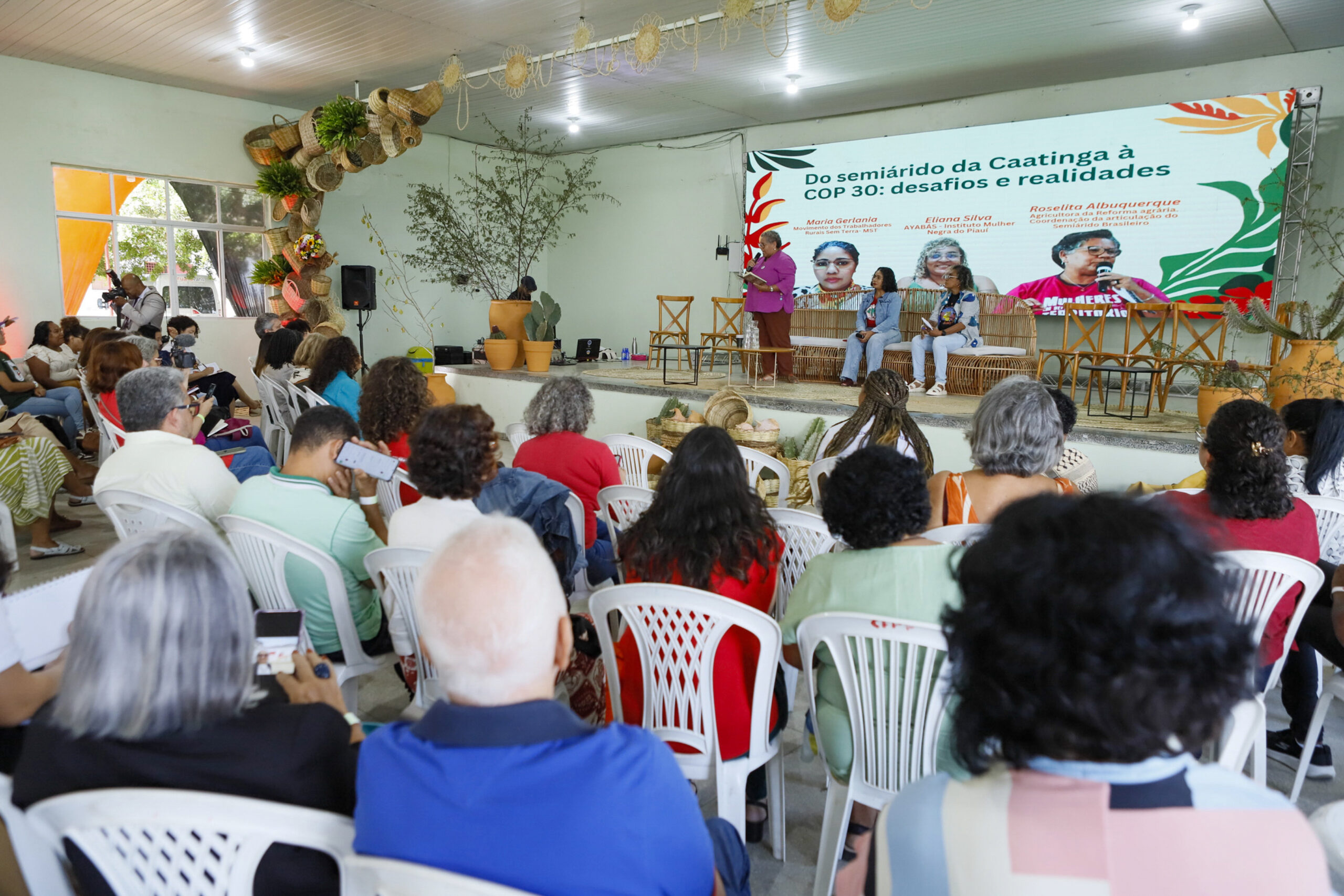
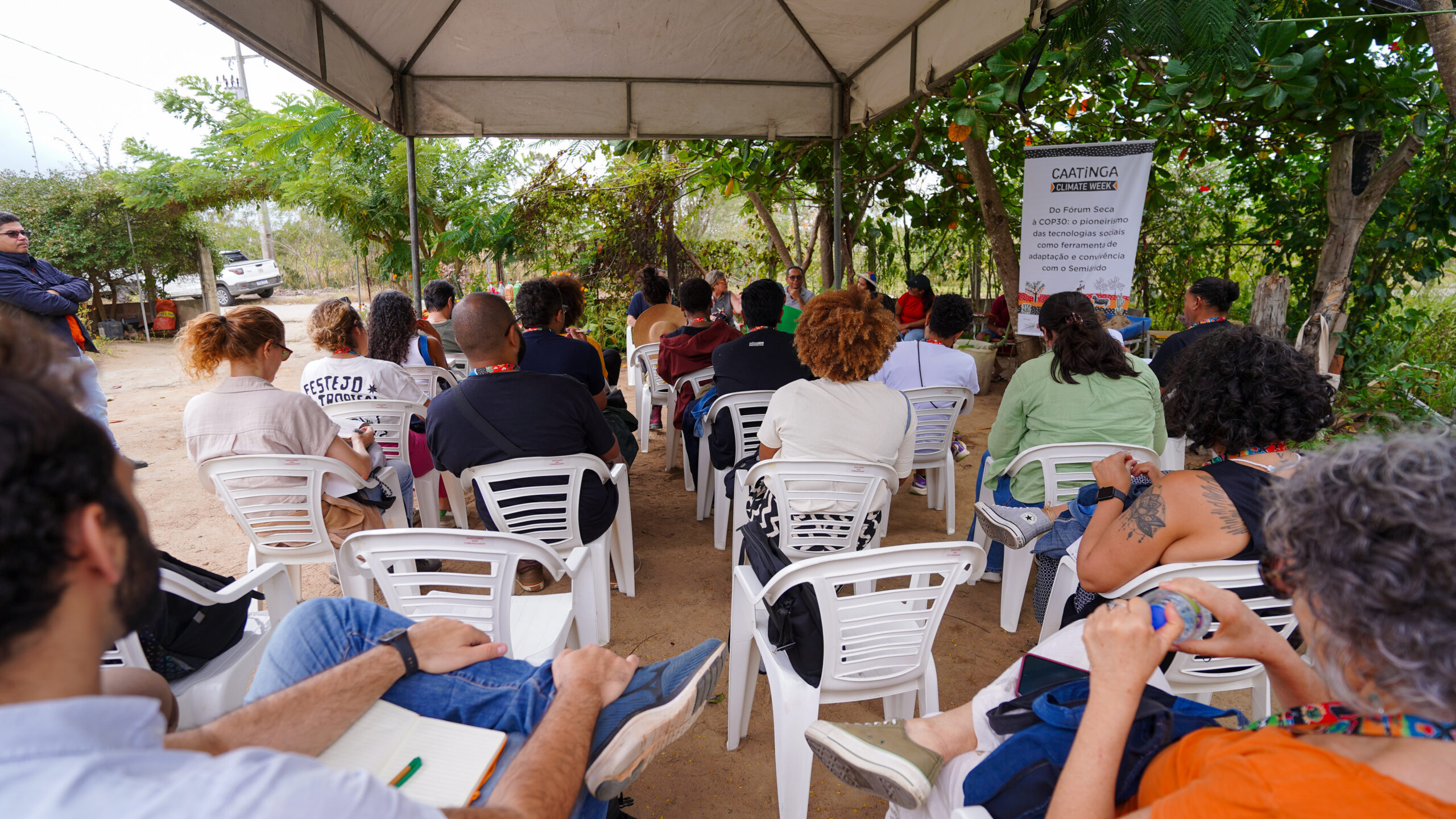
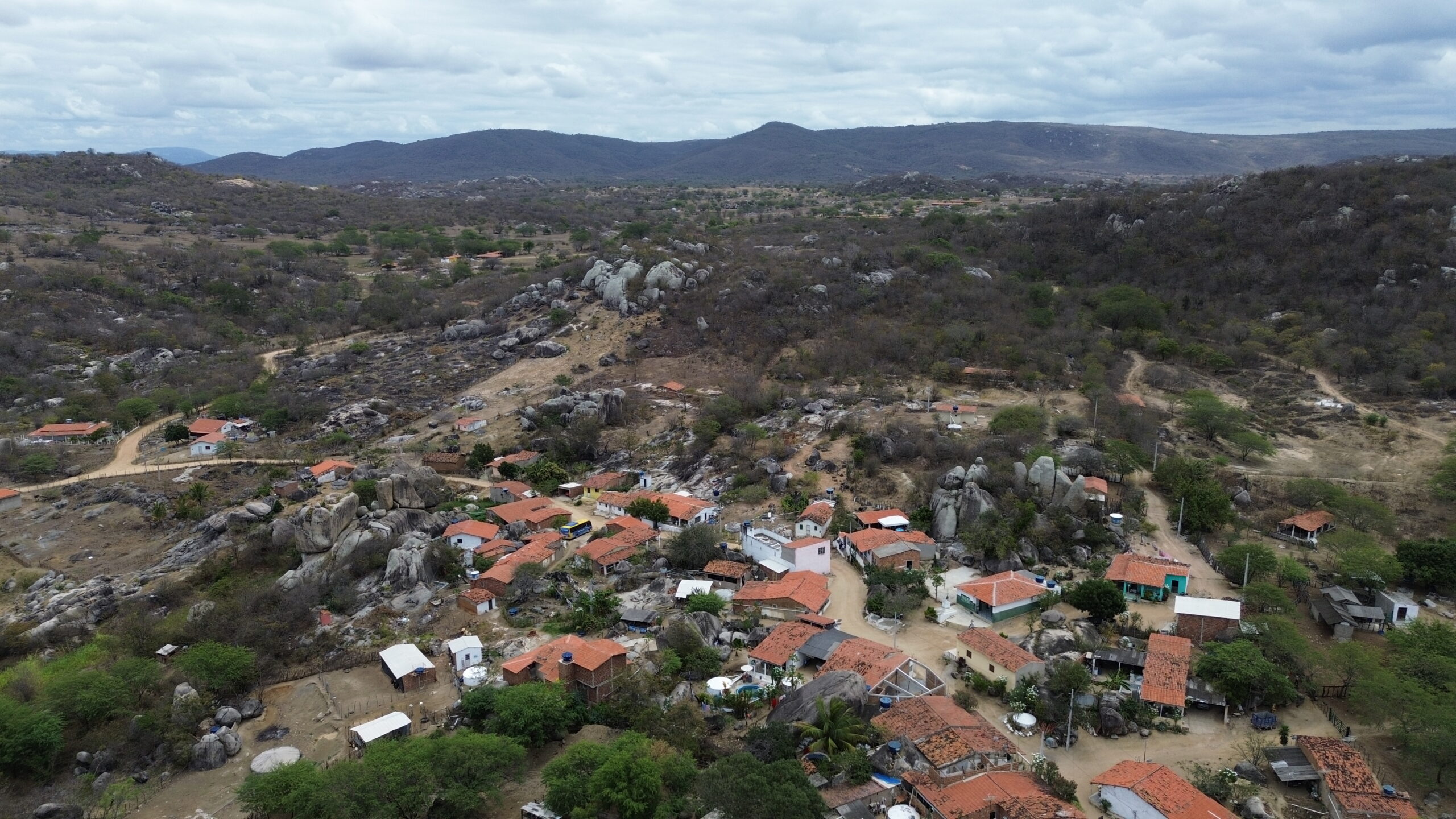
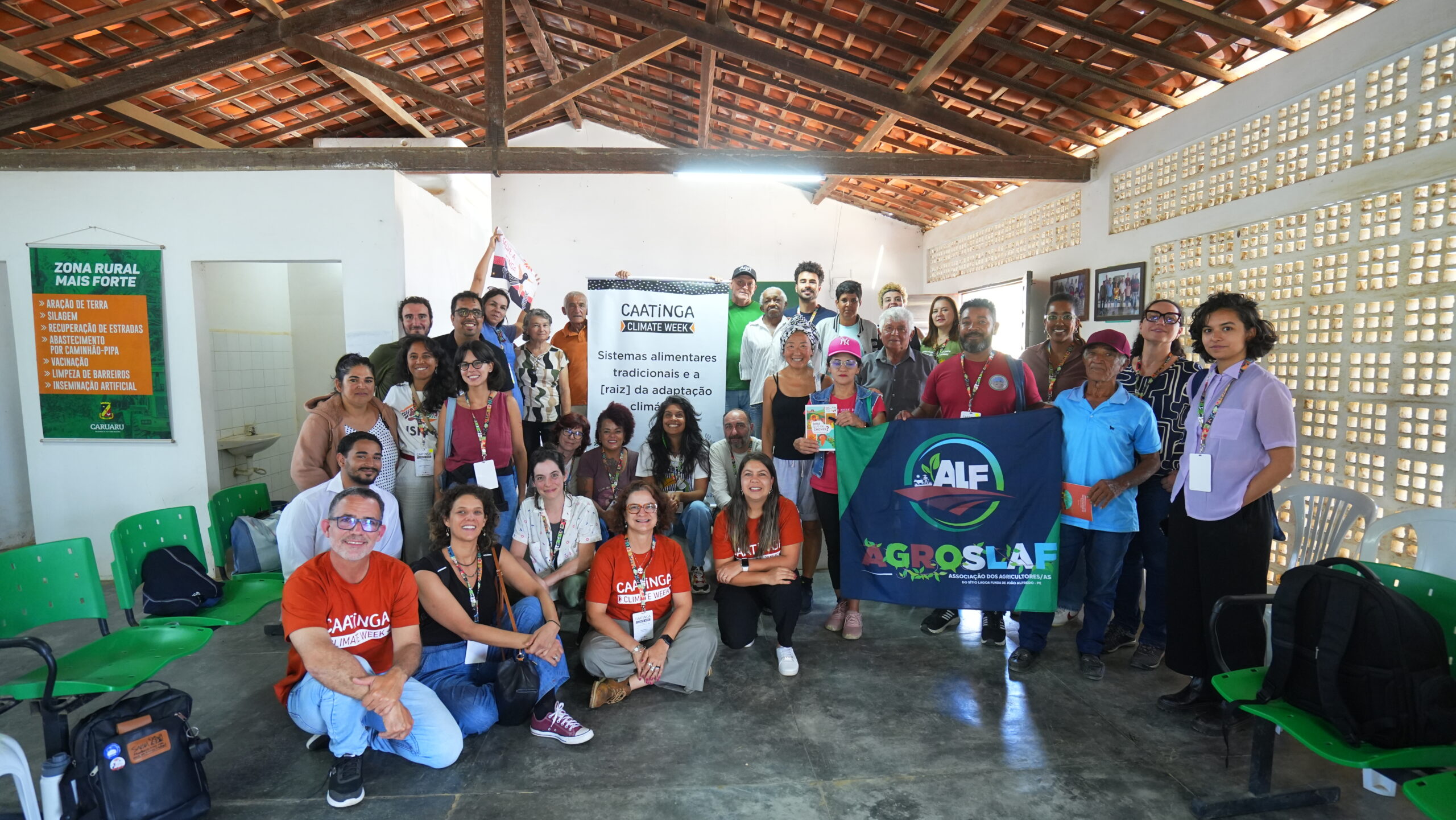
More than 400 km were covered, in seven municipalities, and around 500 participants took part in plenary sessions and visits to experiences in the territories. Researchers, government and civil society representatives, activists and communicators learned about the experiences of living with the semi-arid region and the demands and challenges of family farmers, indigenous people and quilombolas in the region.
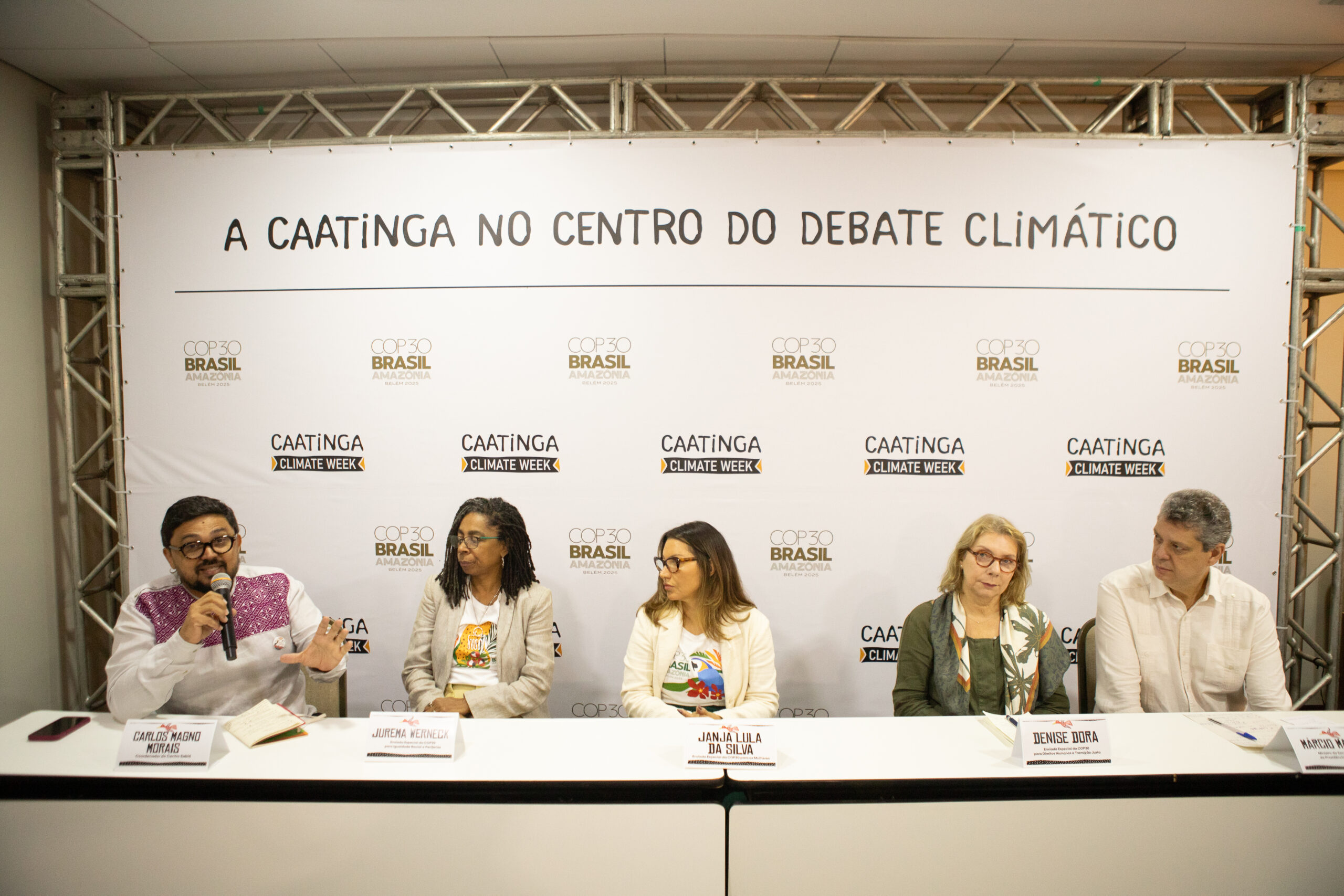
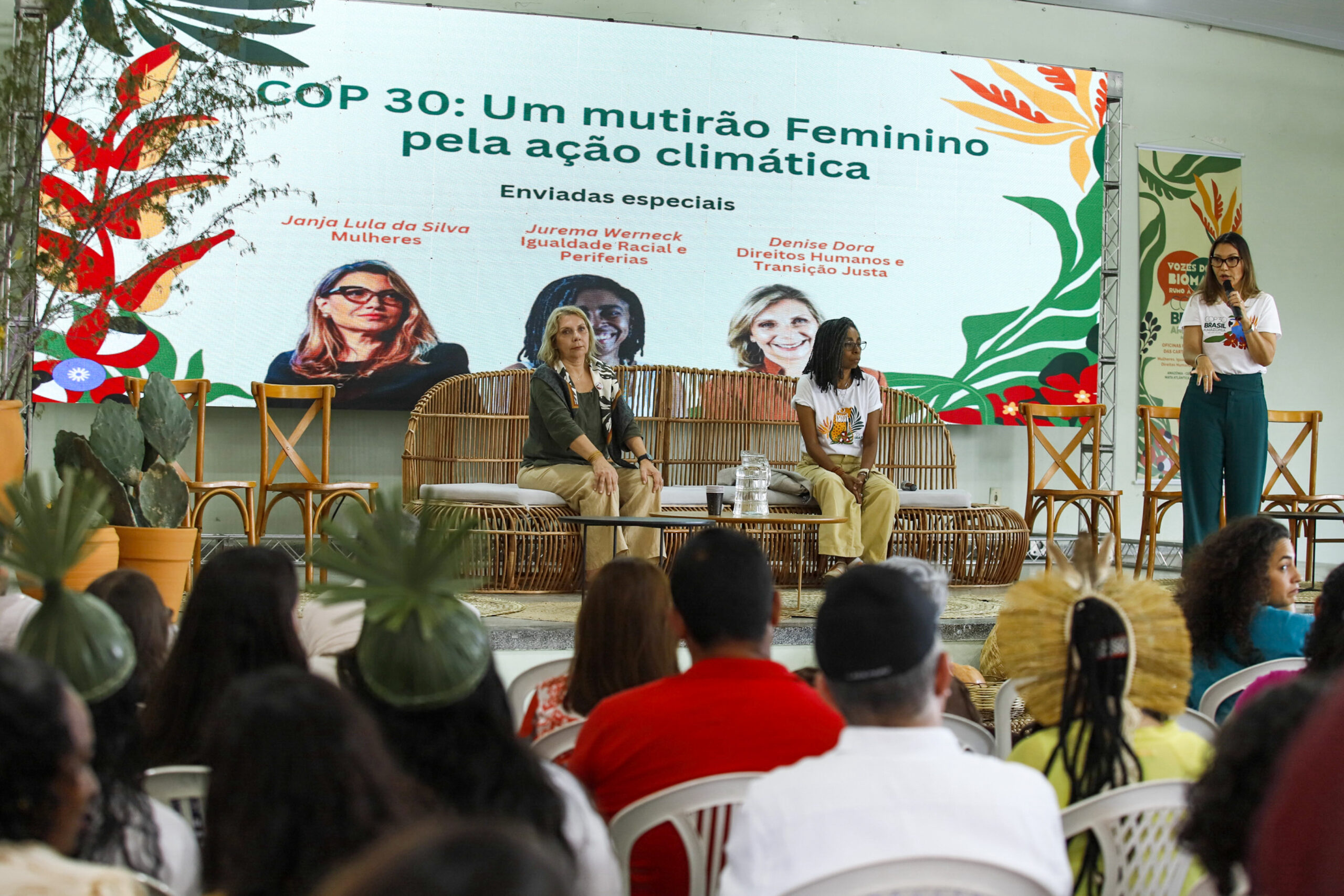
The first day of the event was attended by the COP envoys: Janja Lula da Silva (Women), Jurema Werneck (Racial Equality and Peripheries) and Denise Dora (Human Rights and Just Transition).
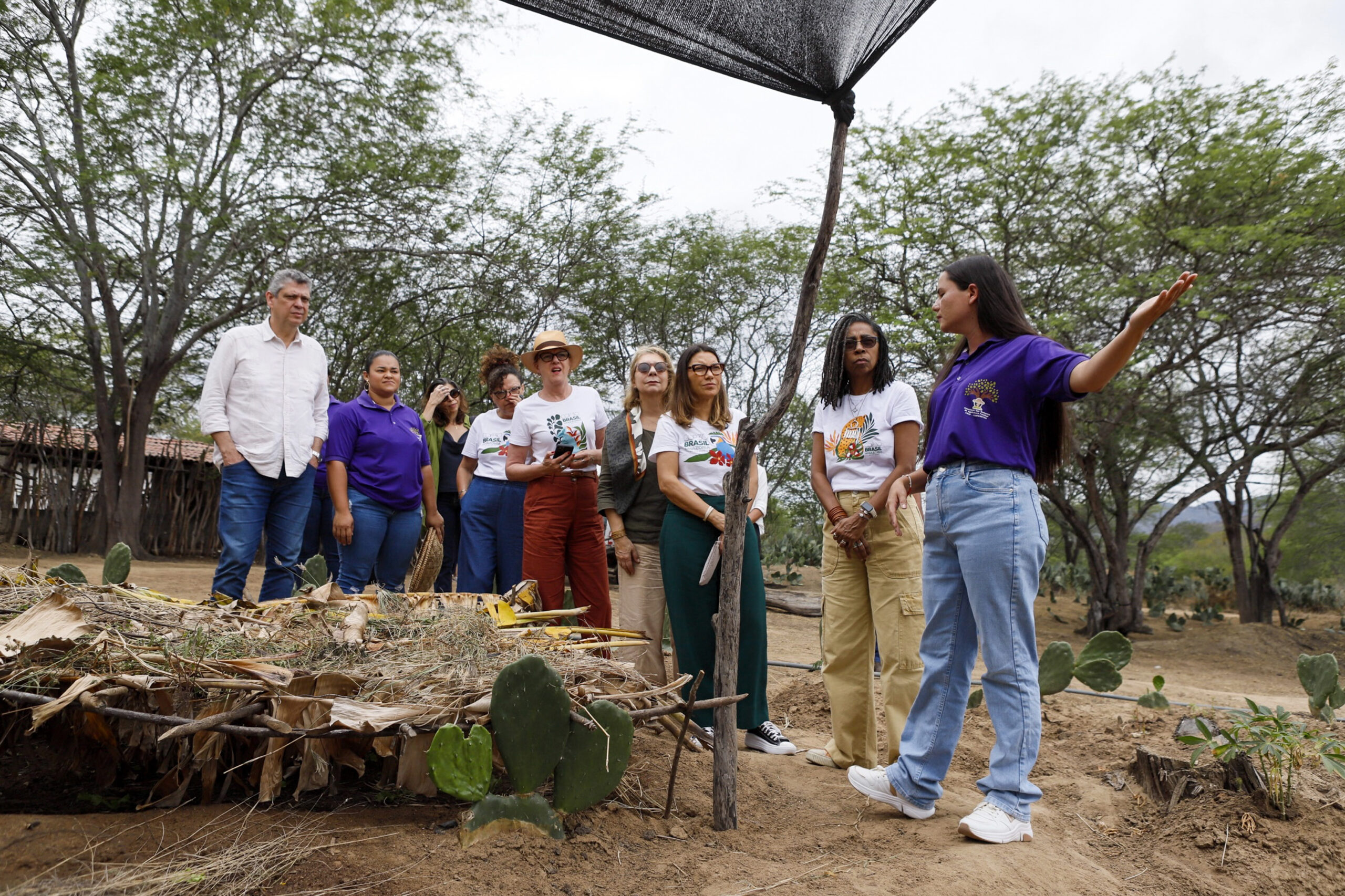
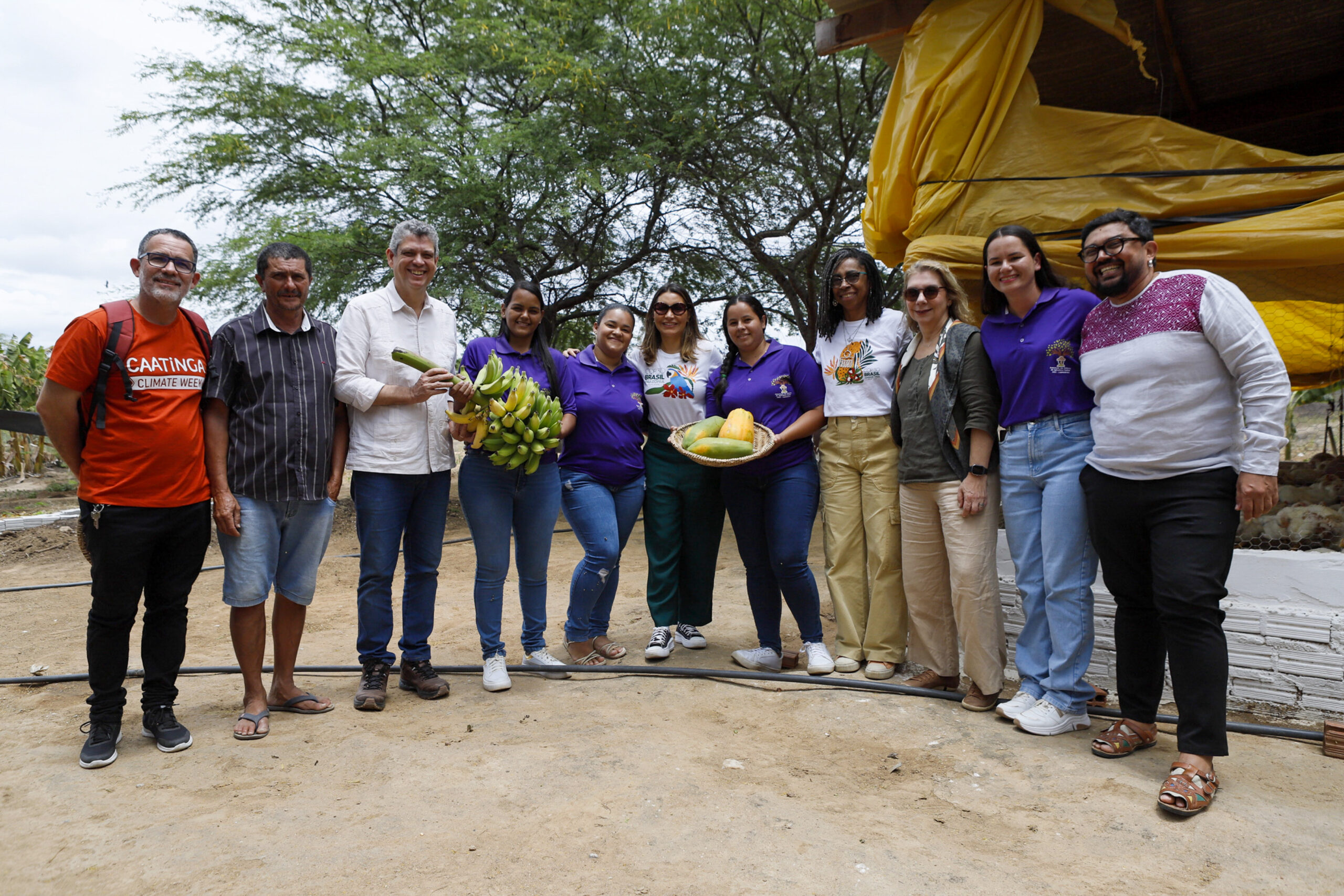
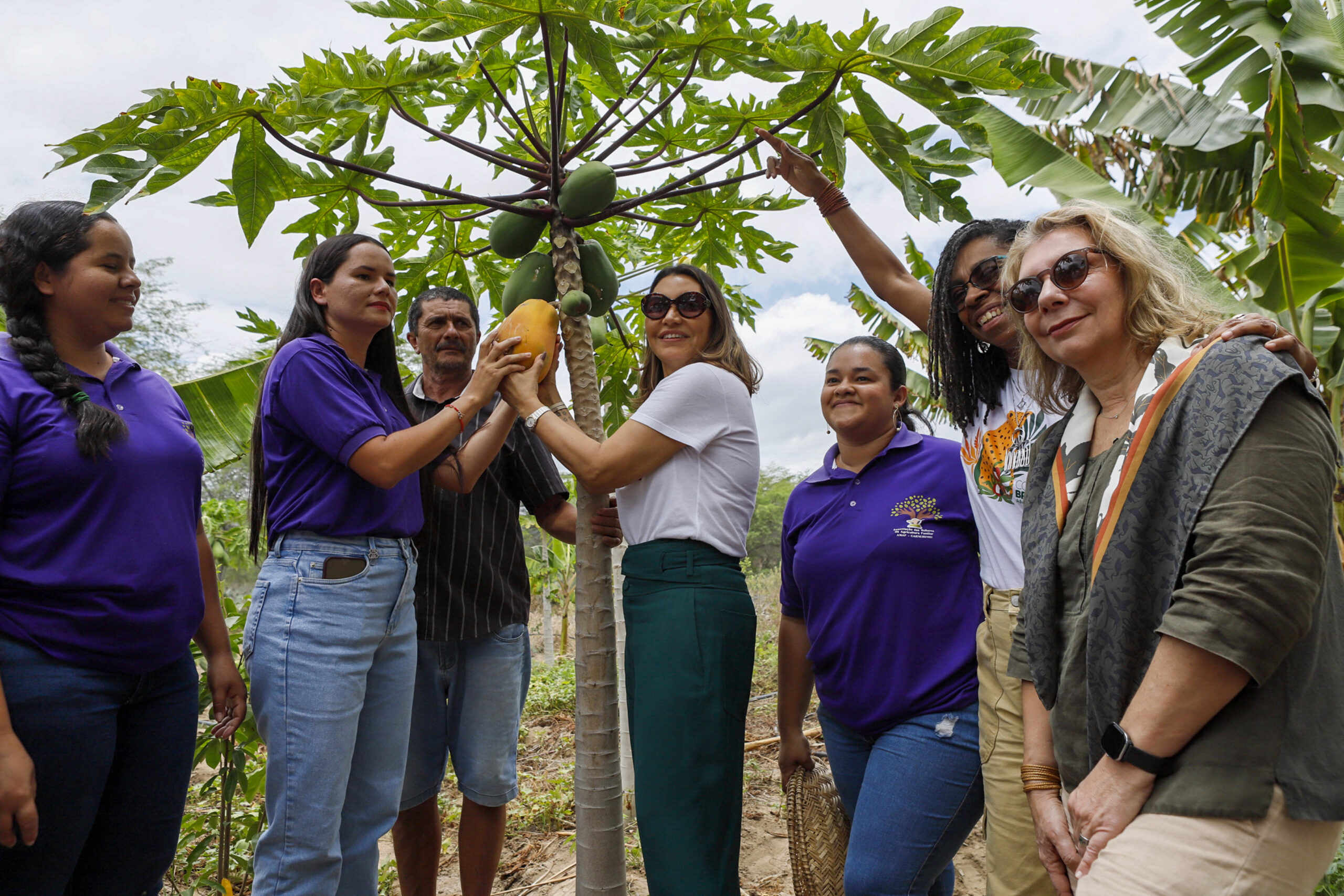
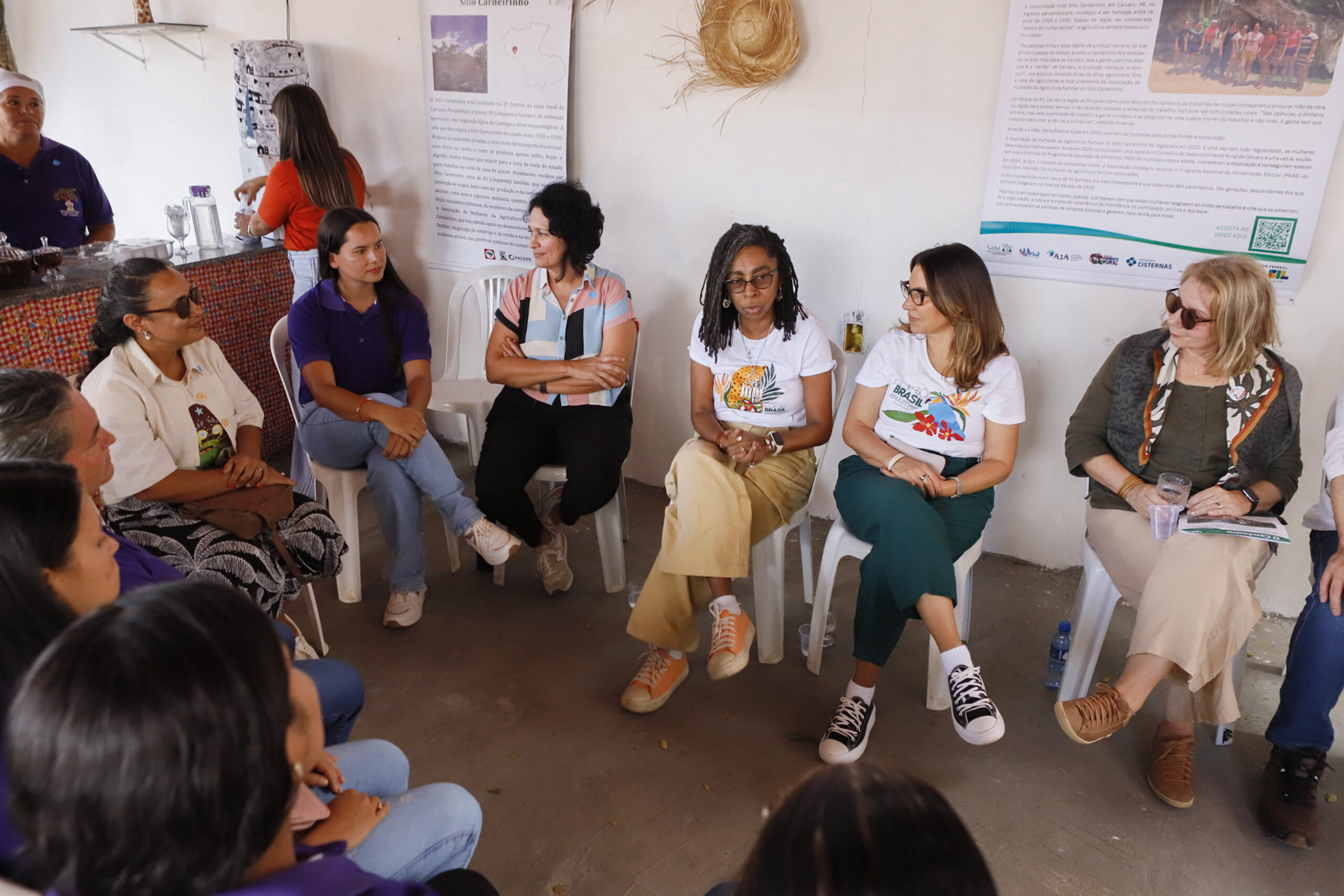
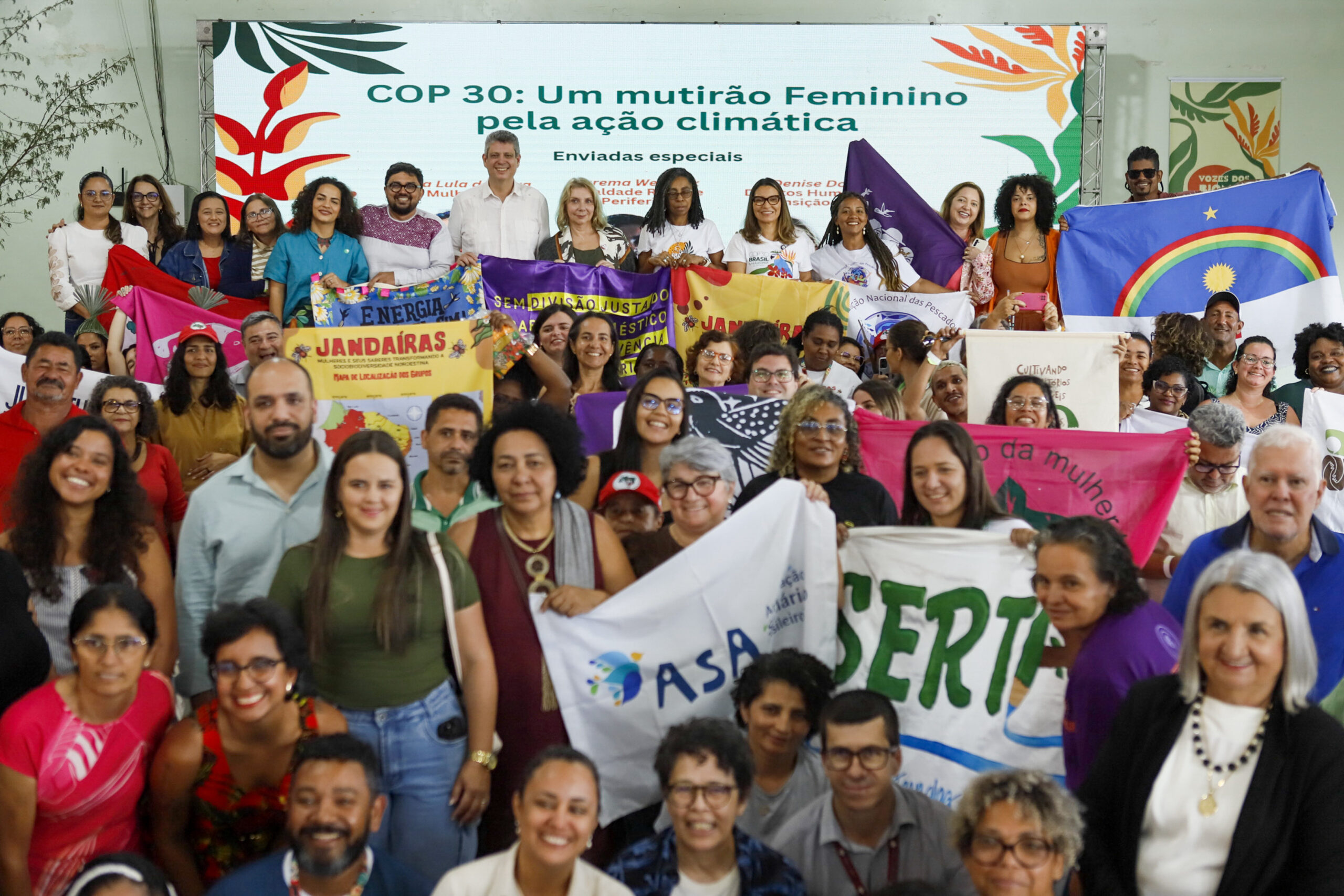
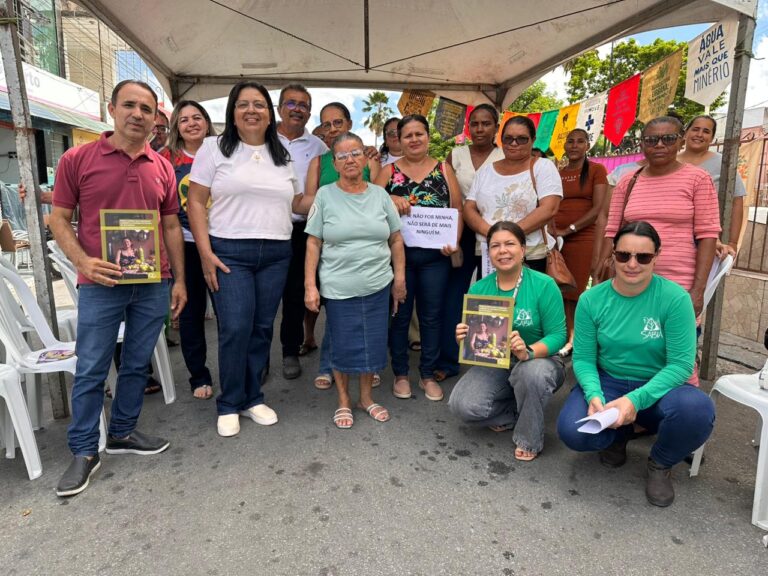
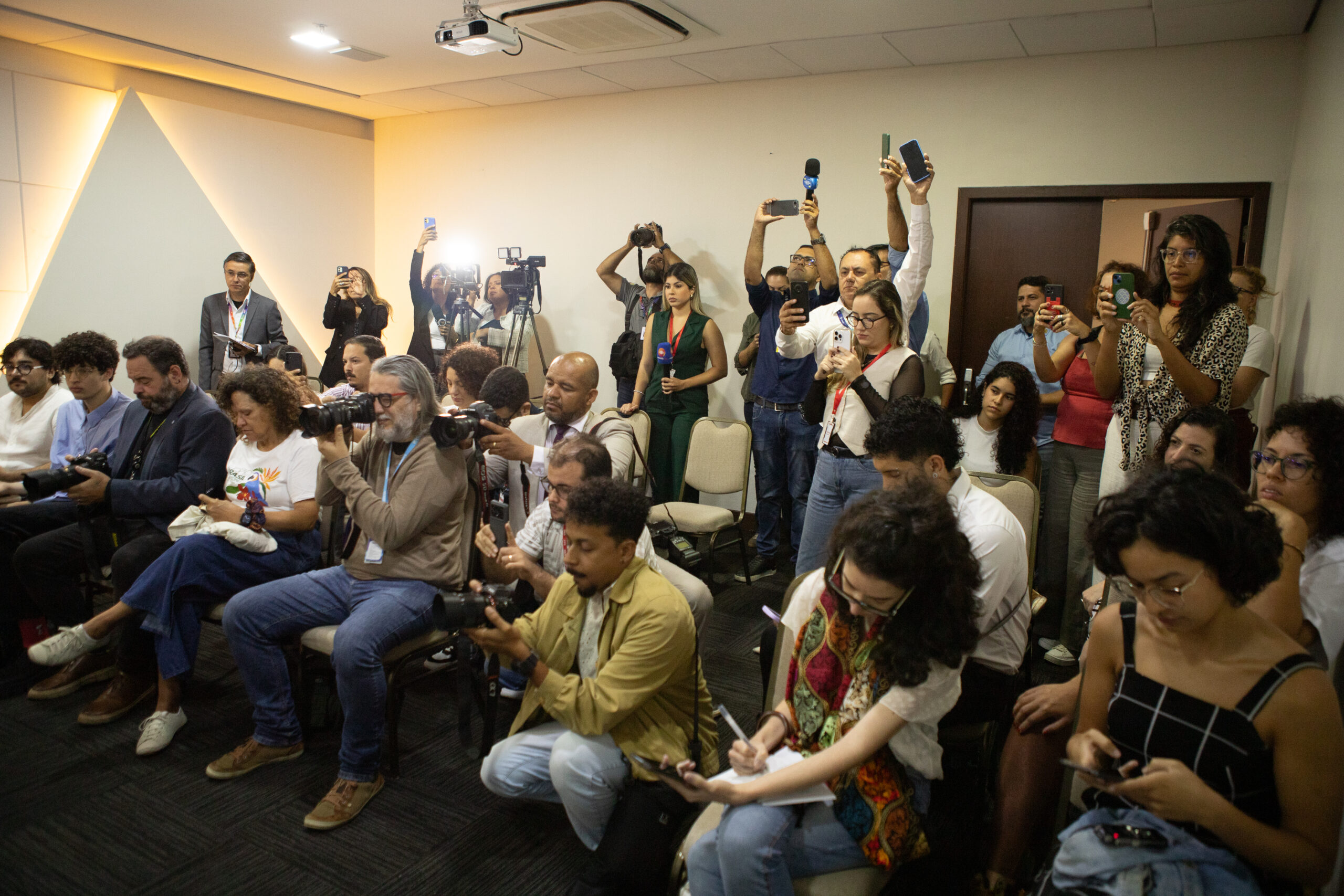
First thing in the morning, the delegates, together with the Minister of the General Secretariat of the Presidency of the Republic, Márcio Macedo, and the coordinator of social mobilization, Carlos Magno de Morais, took part in a press conference with all the local media and those who had been following the event. Soon after, the delegation visited the experience of the Women’s Family Farming Association of Sítio Carneirinho.
In the afternoon, the delegates held the plenary session Voices of the Biome Towards COP30, an initiative that is part of the cycle of national hearings in preparation for the 30th UN Conference on Climate Change, to be held in Belém (PA) from November 10 to 21.
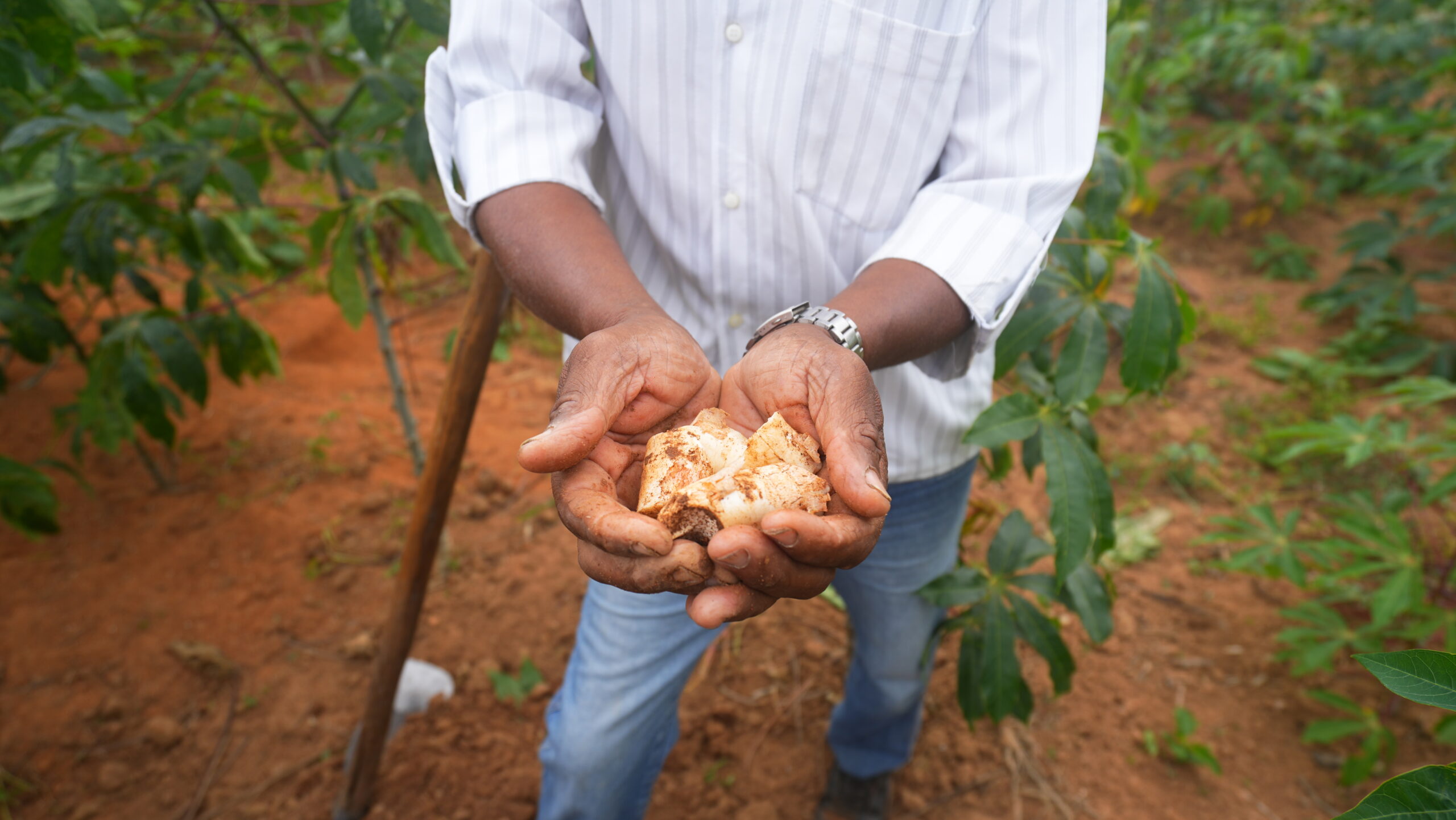
Along the way, the participants were introduced to rural experiences of climate adaptation in agro-ecological family farming territories, agrarian reform settlements and indigenous and quilombola communities.
In each place, there are stories of resistance – whether it’s the reunion of women with agriculture, at Sítio Carneirinho; the impact of the climate crisis on root crop production, at Serrote dos Bois (both experiences in Caruaru); or social technologies for living with the semi-arid region as climate adaptation solutions, at Sítio Caruá, in Vertentes.
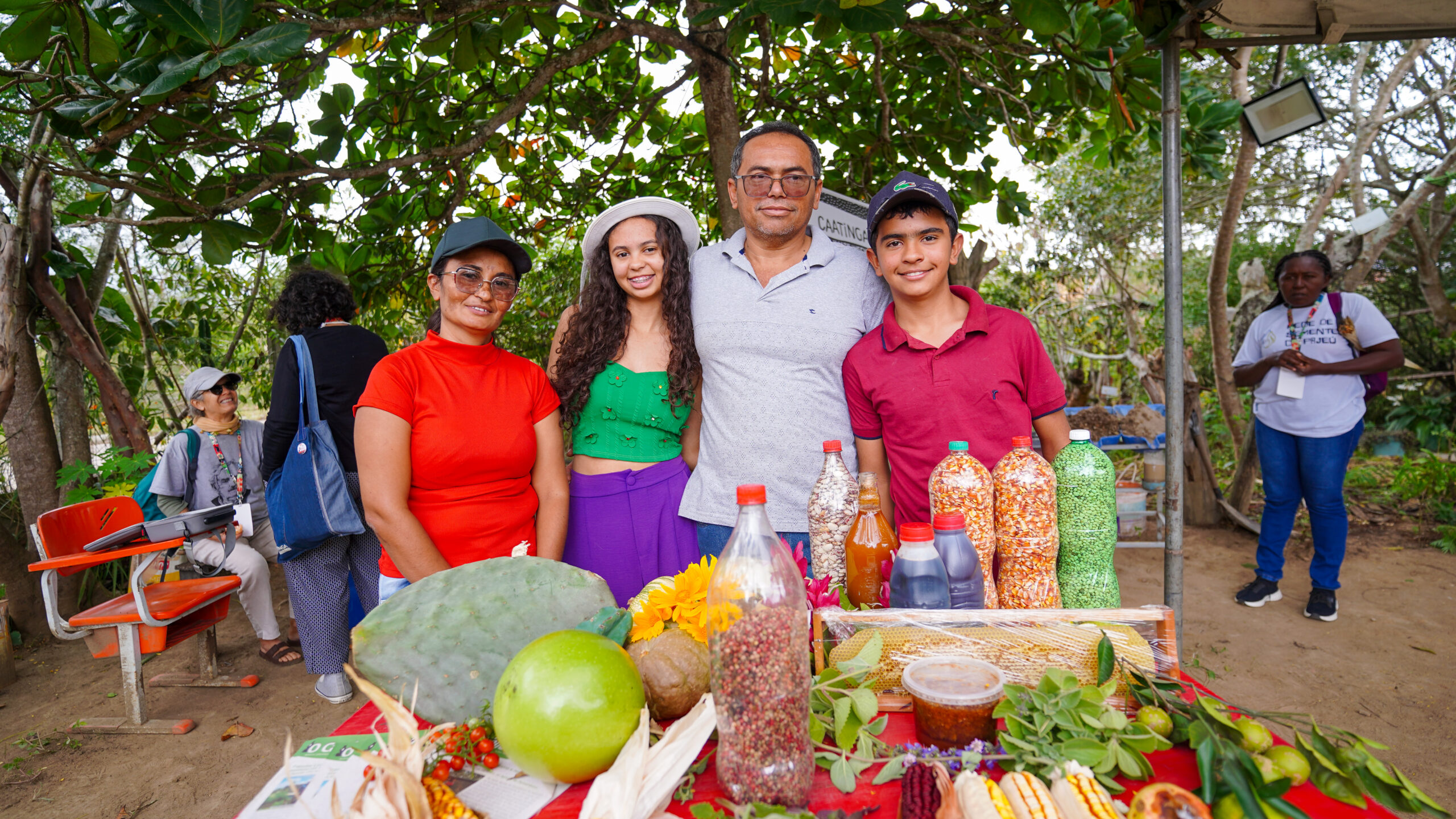
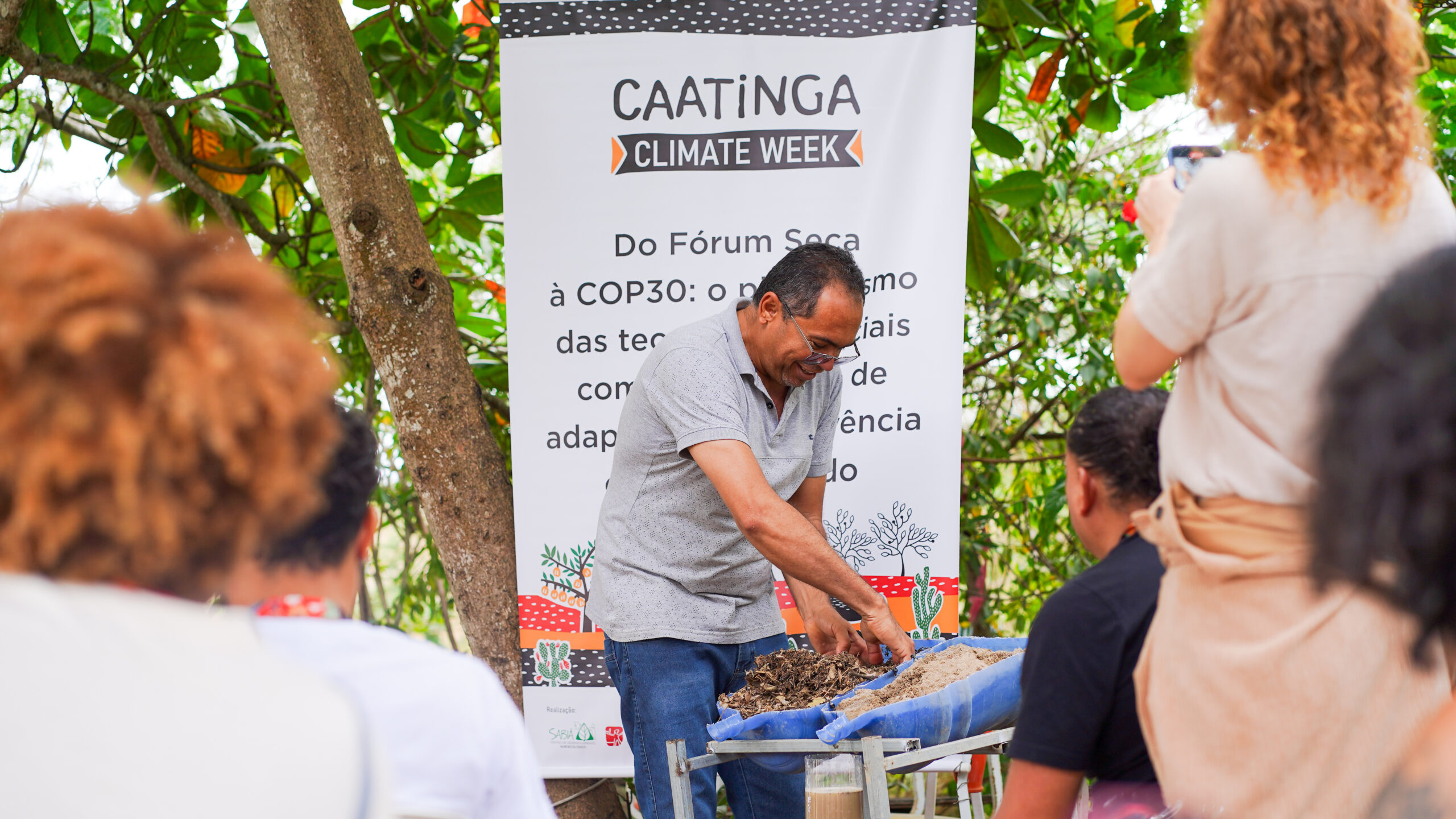
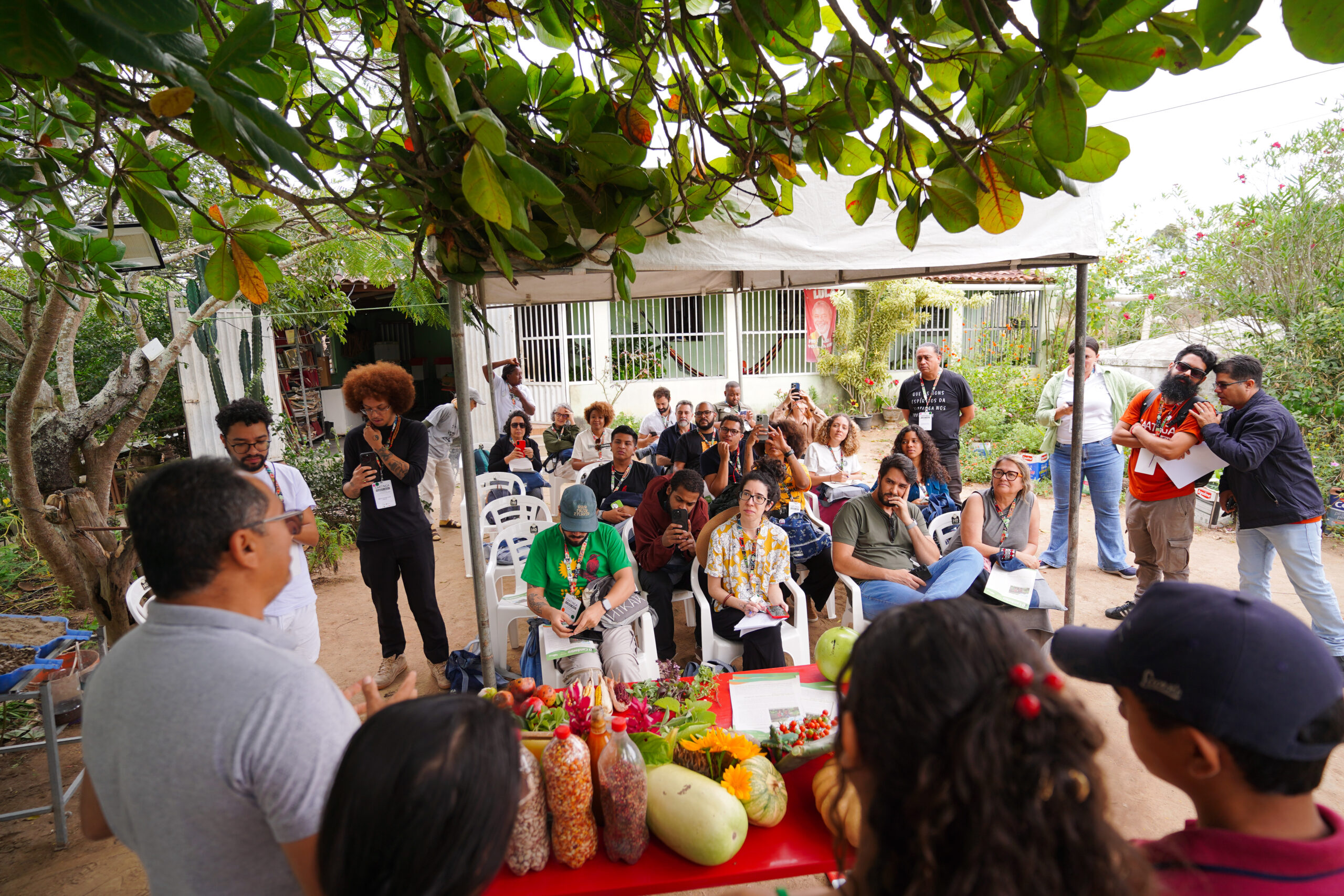
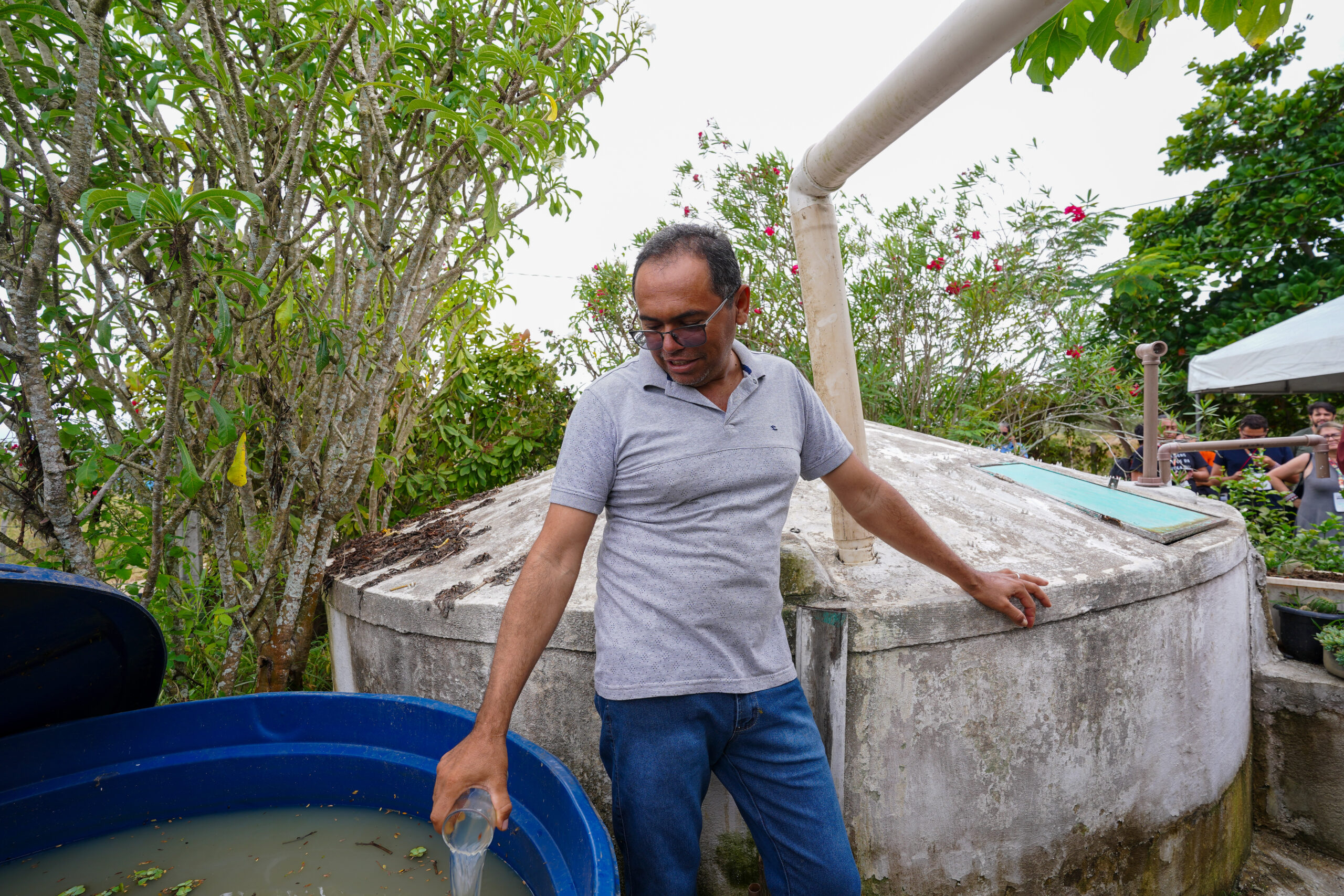
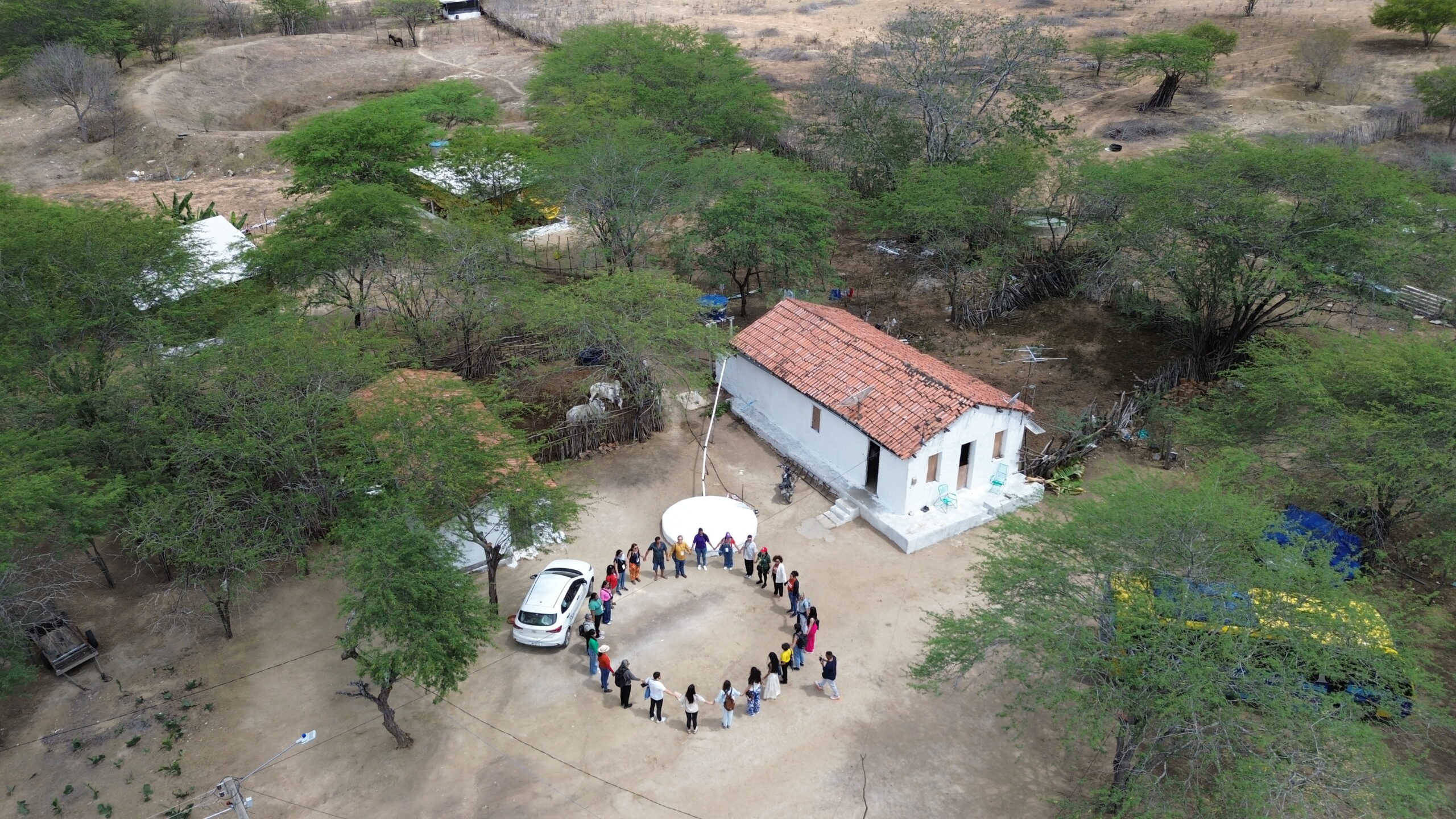
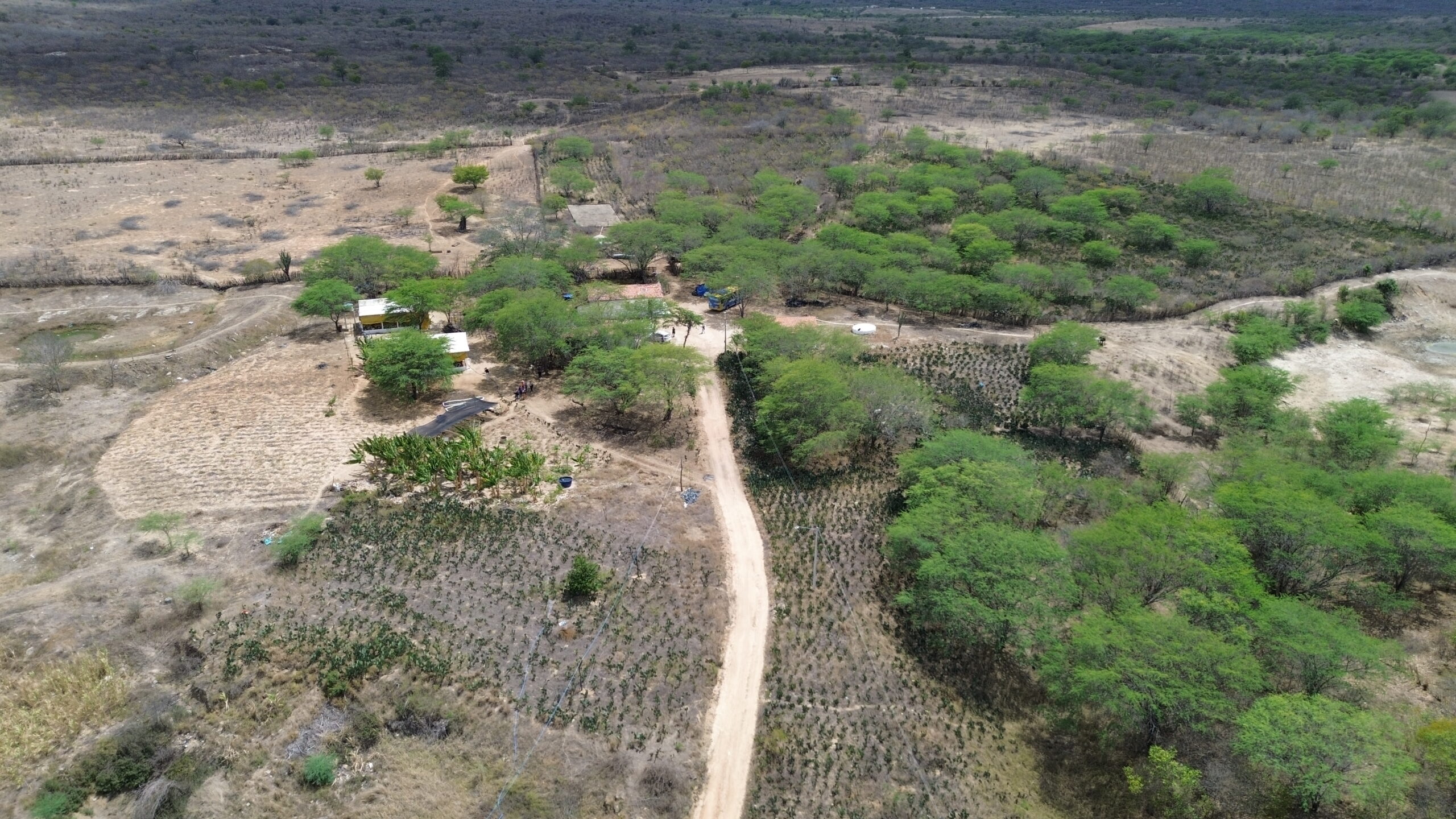
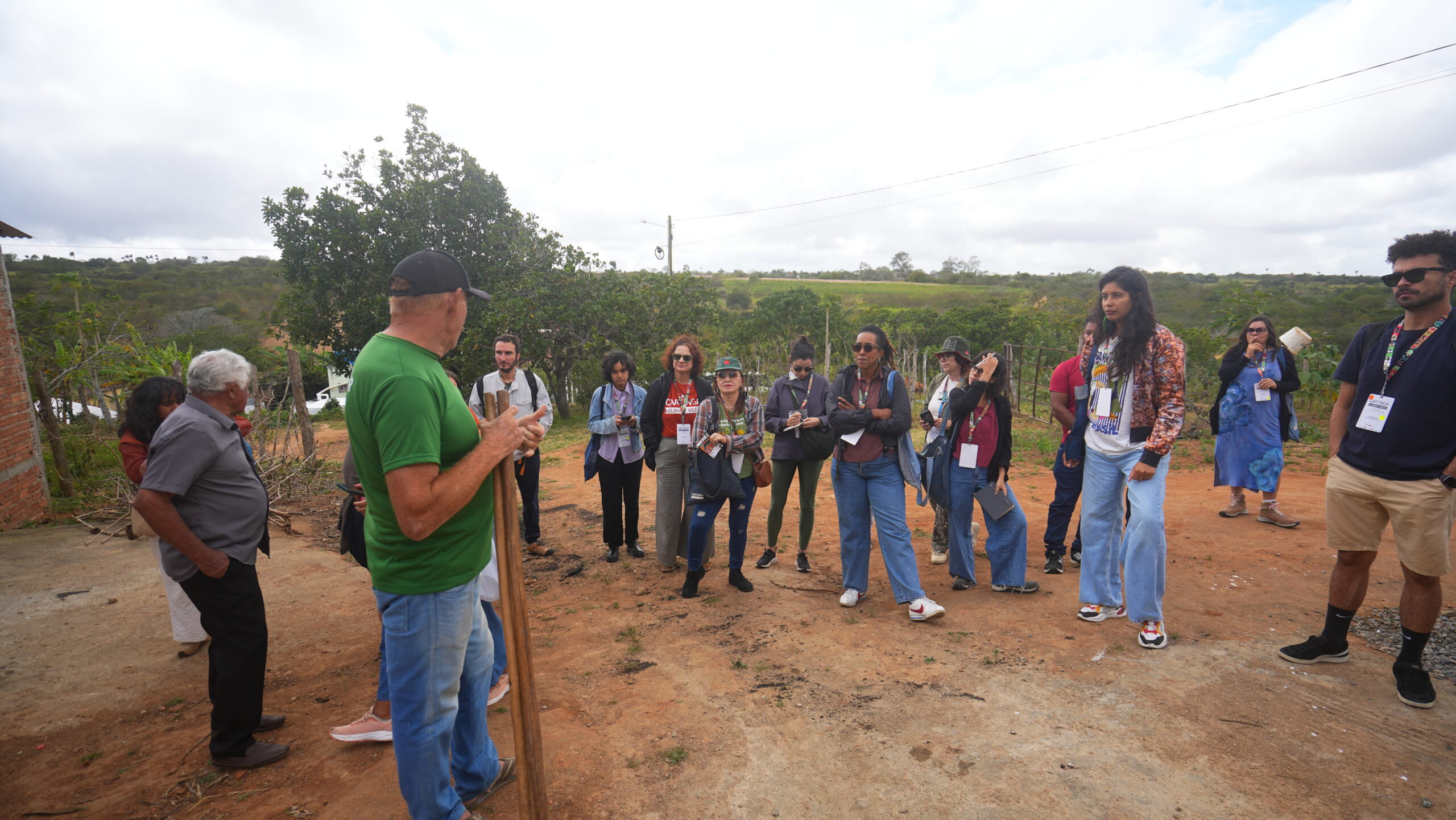
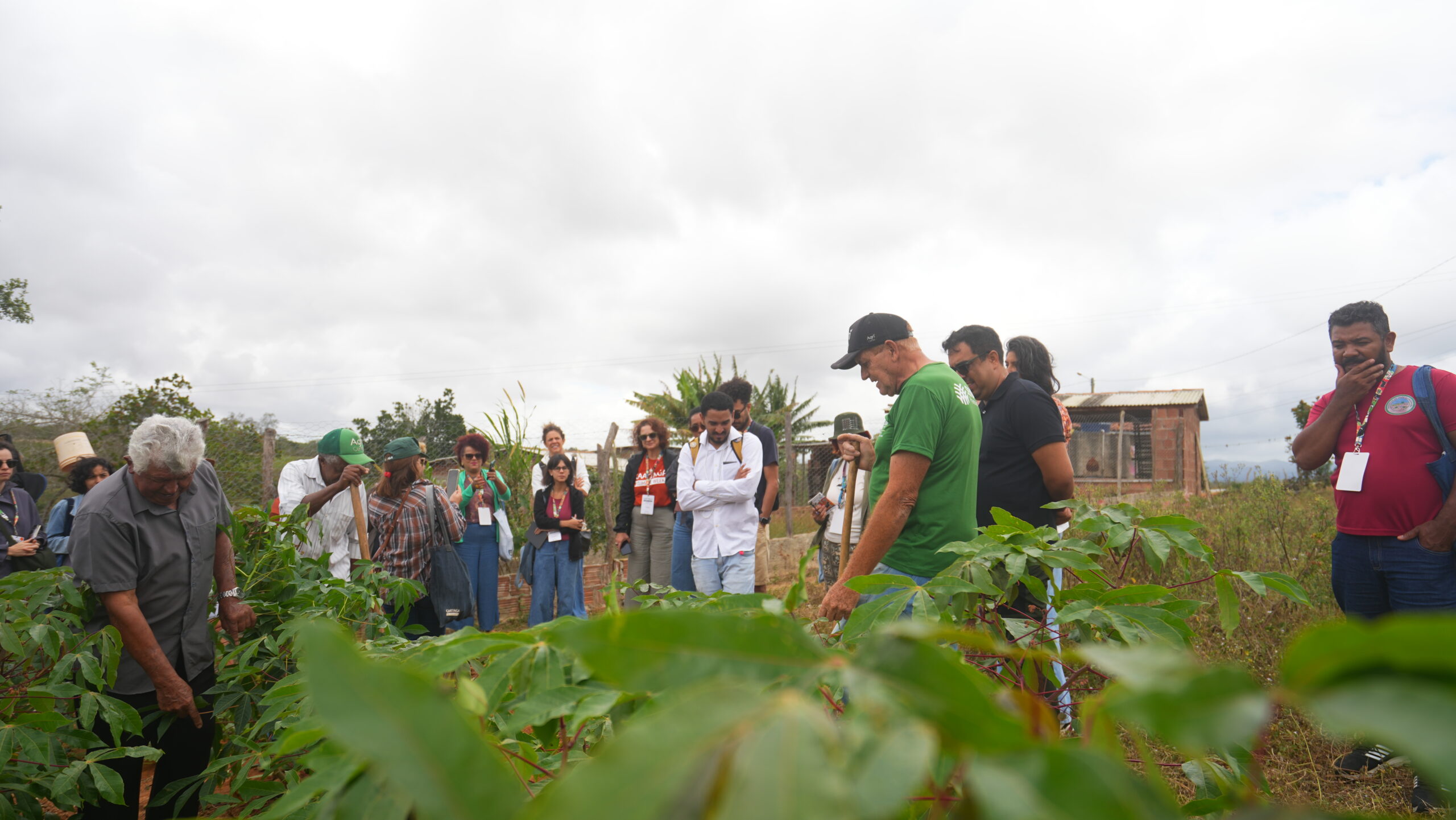
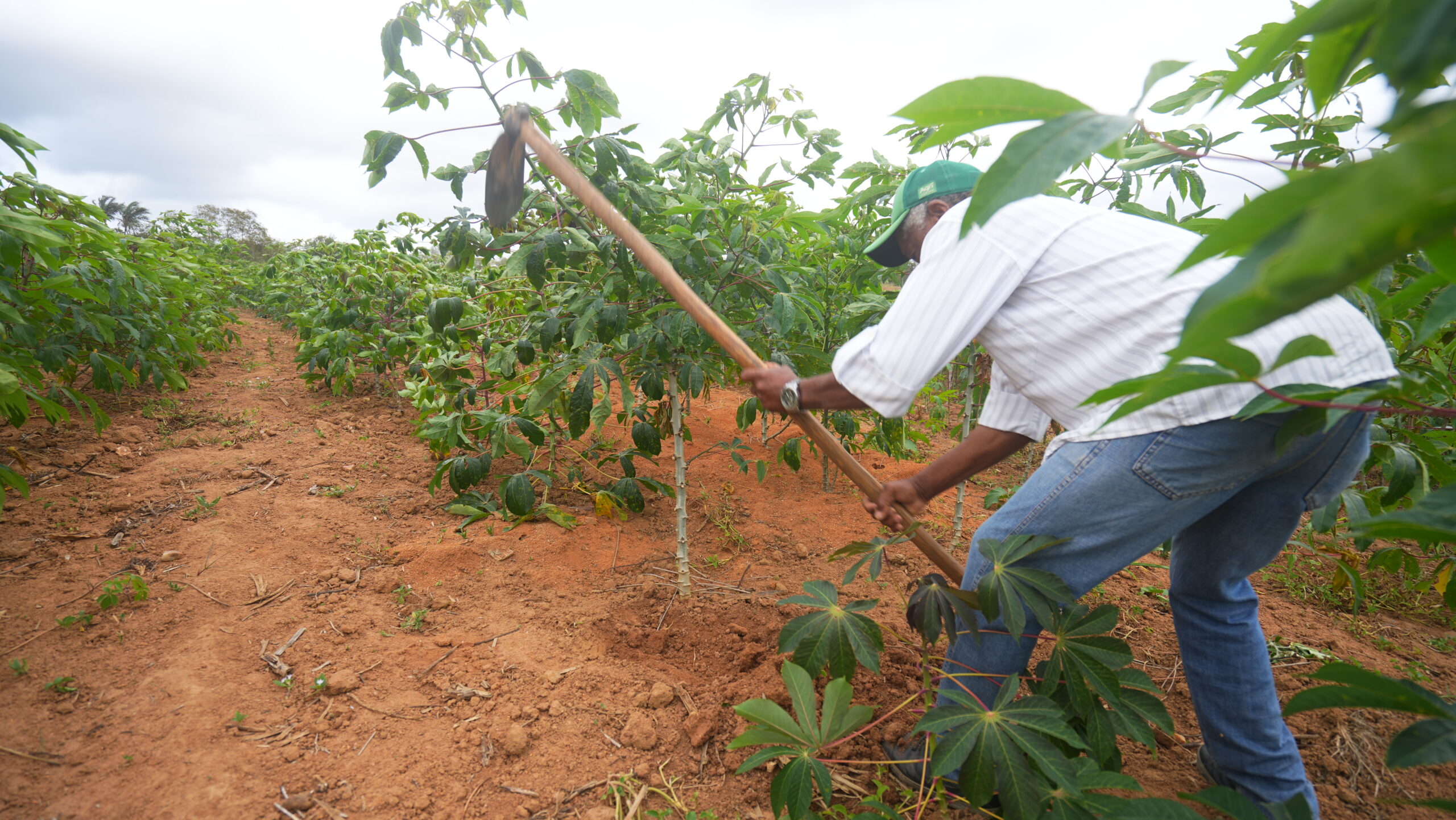
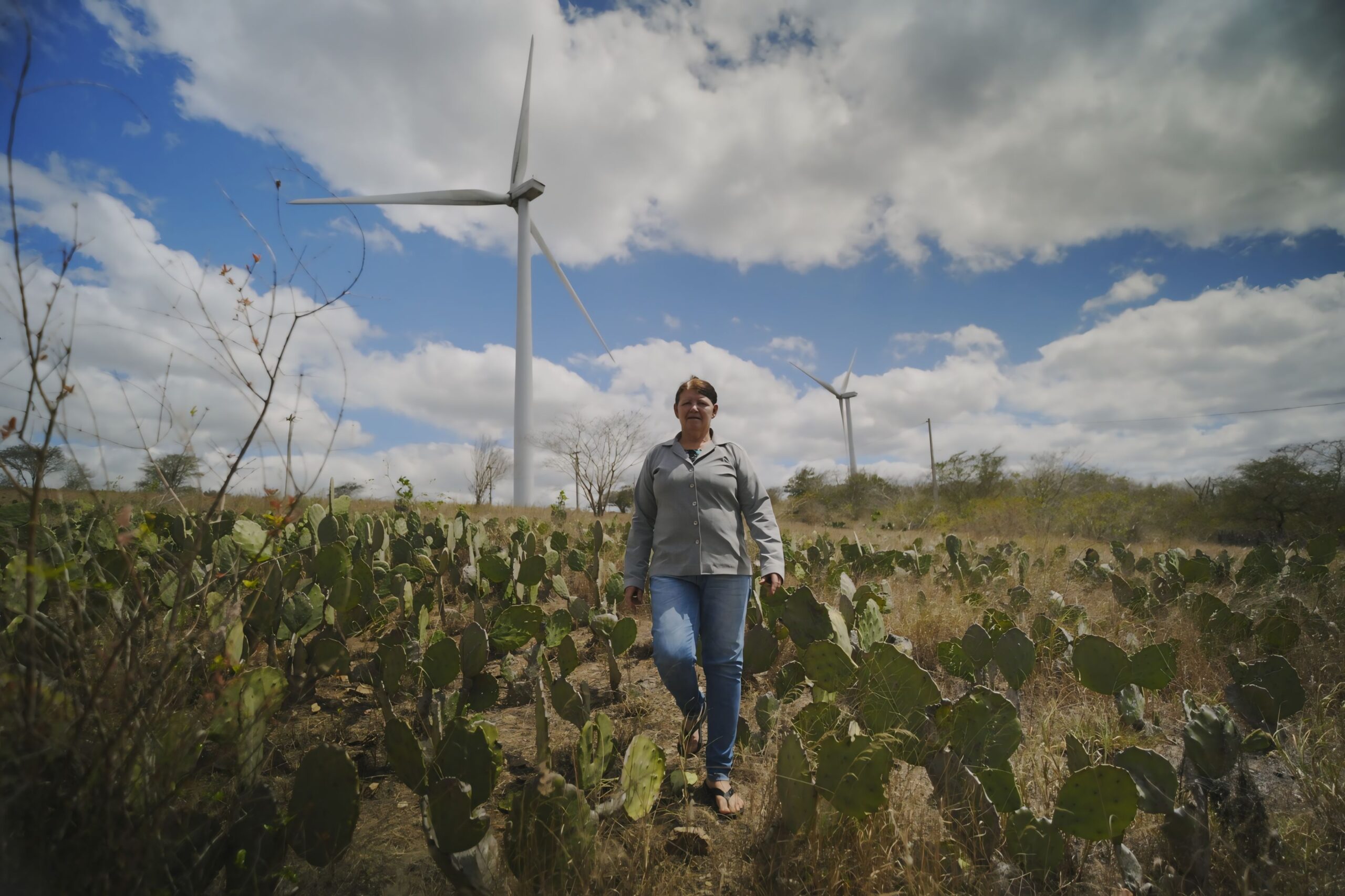
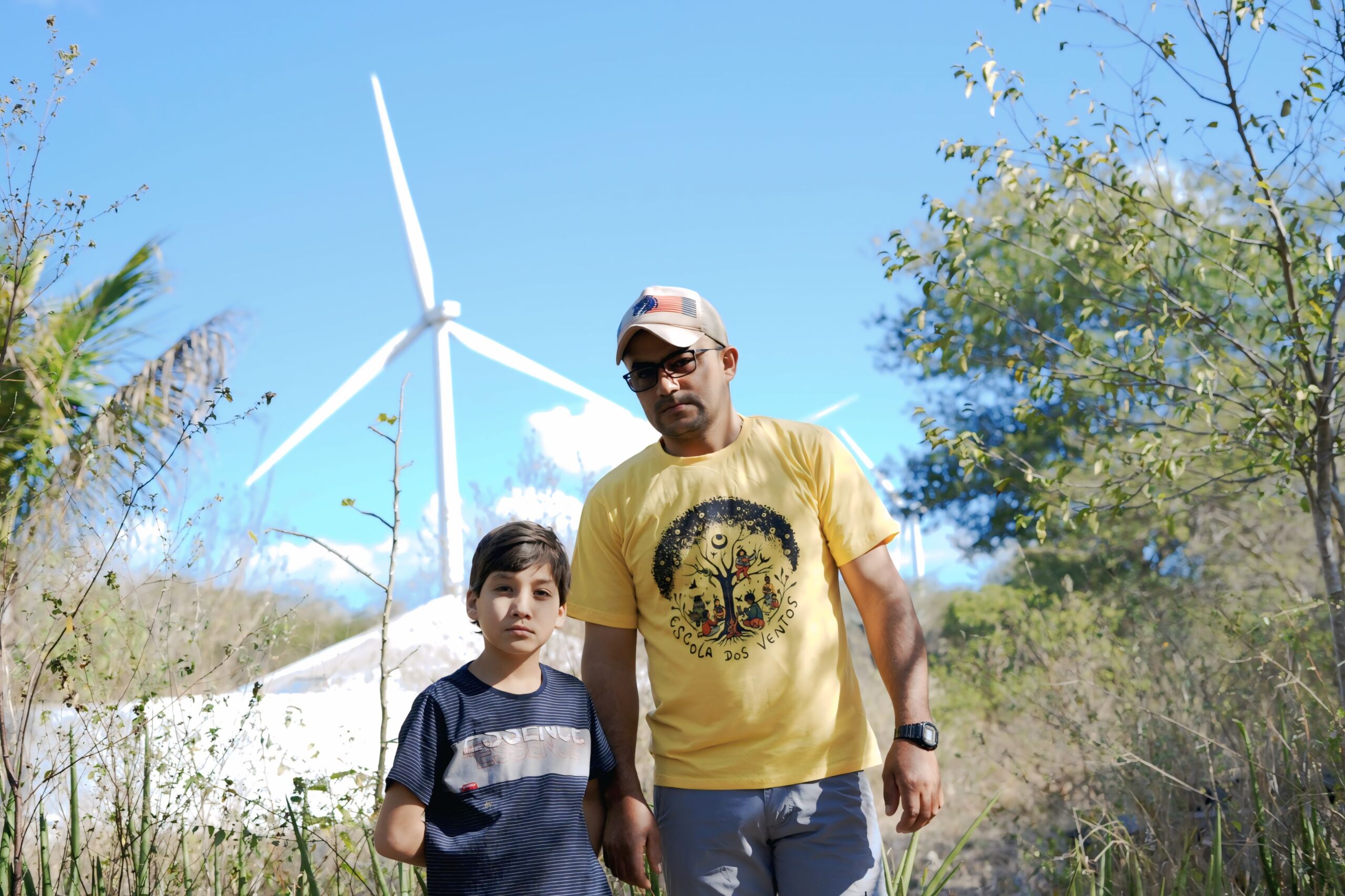
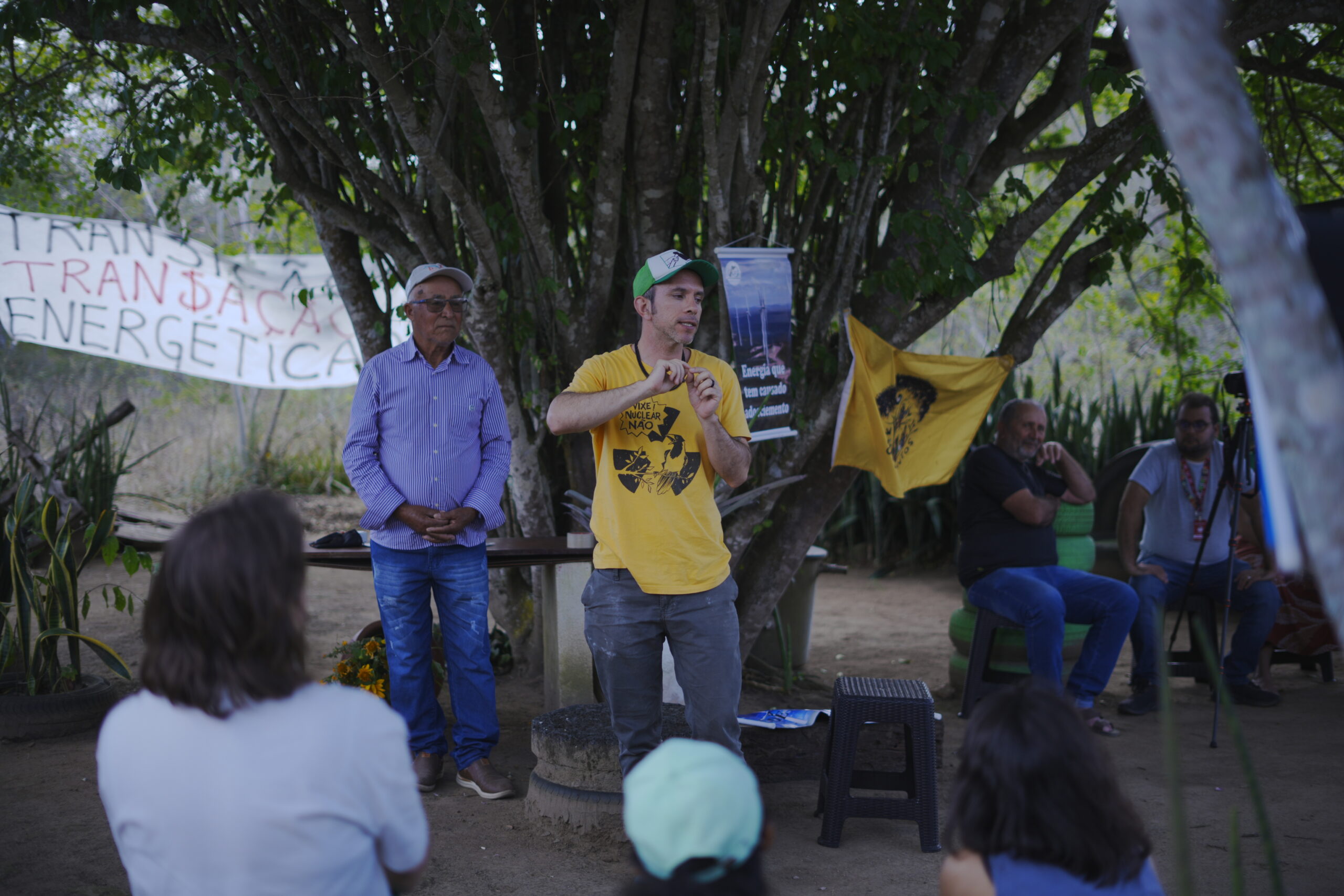
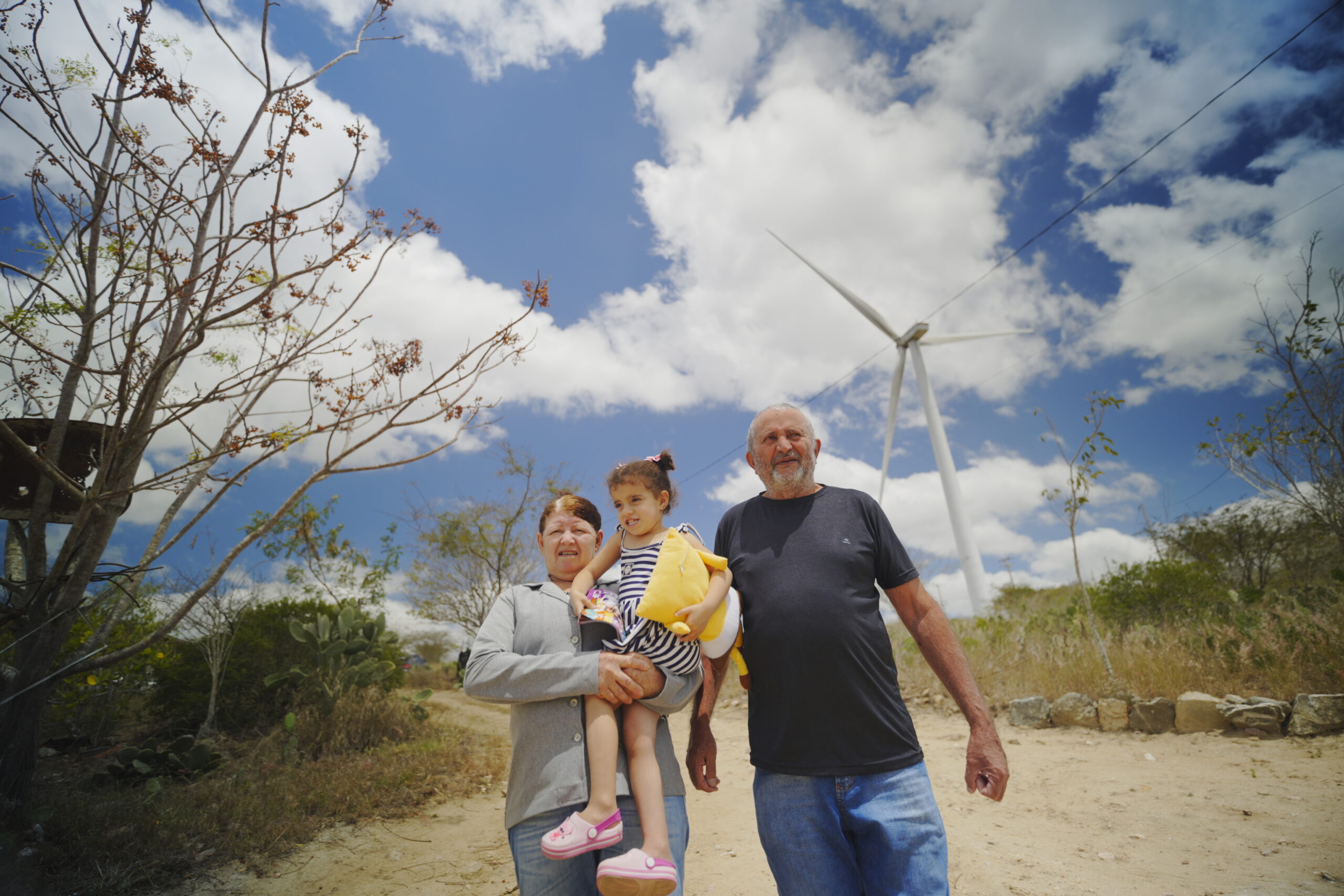
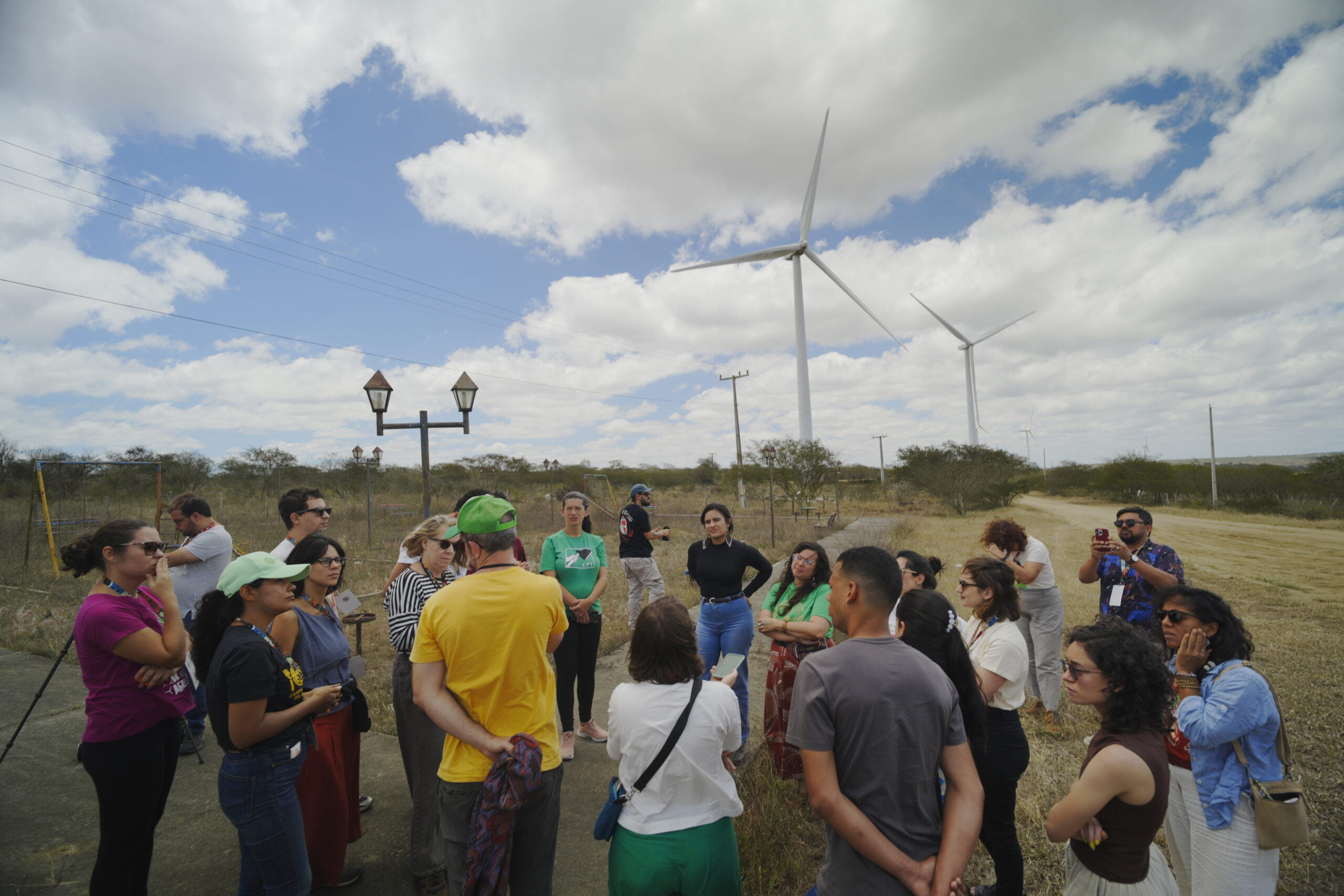
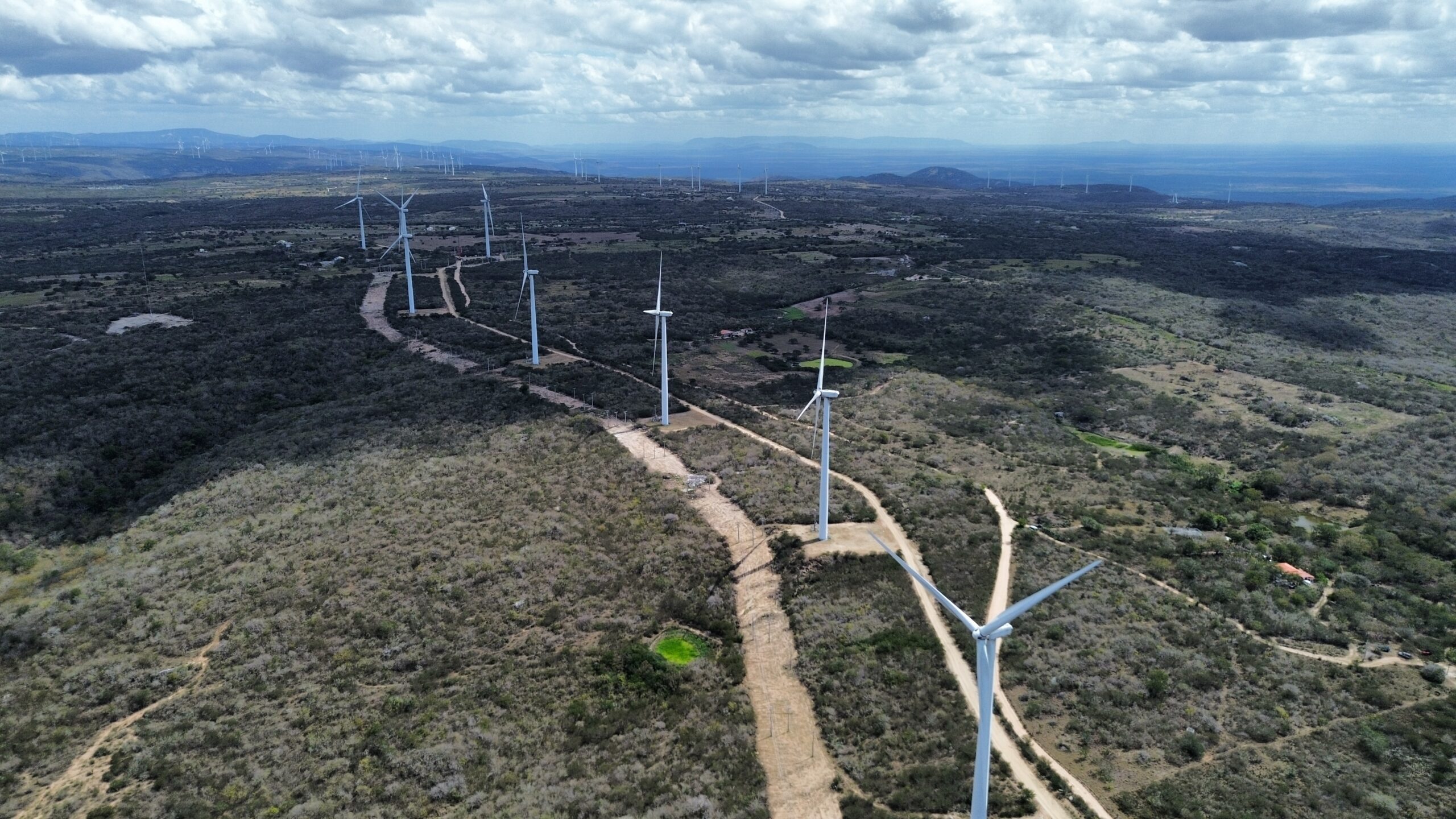
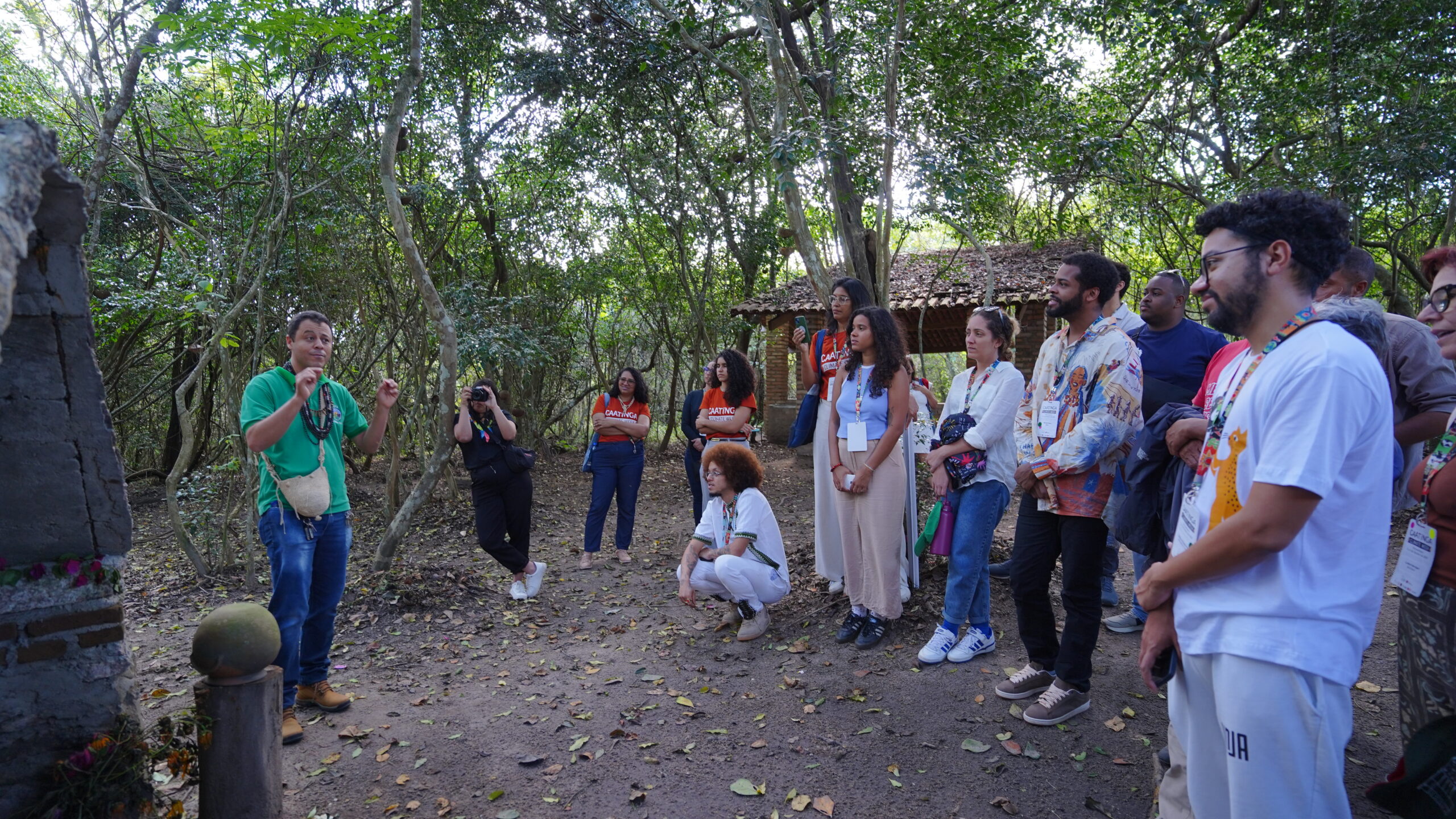
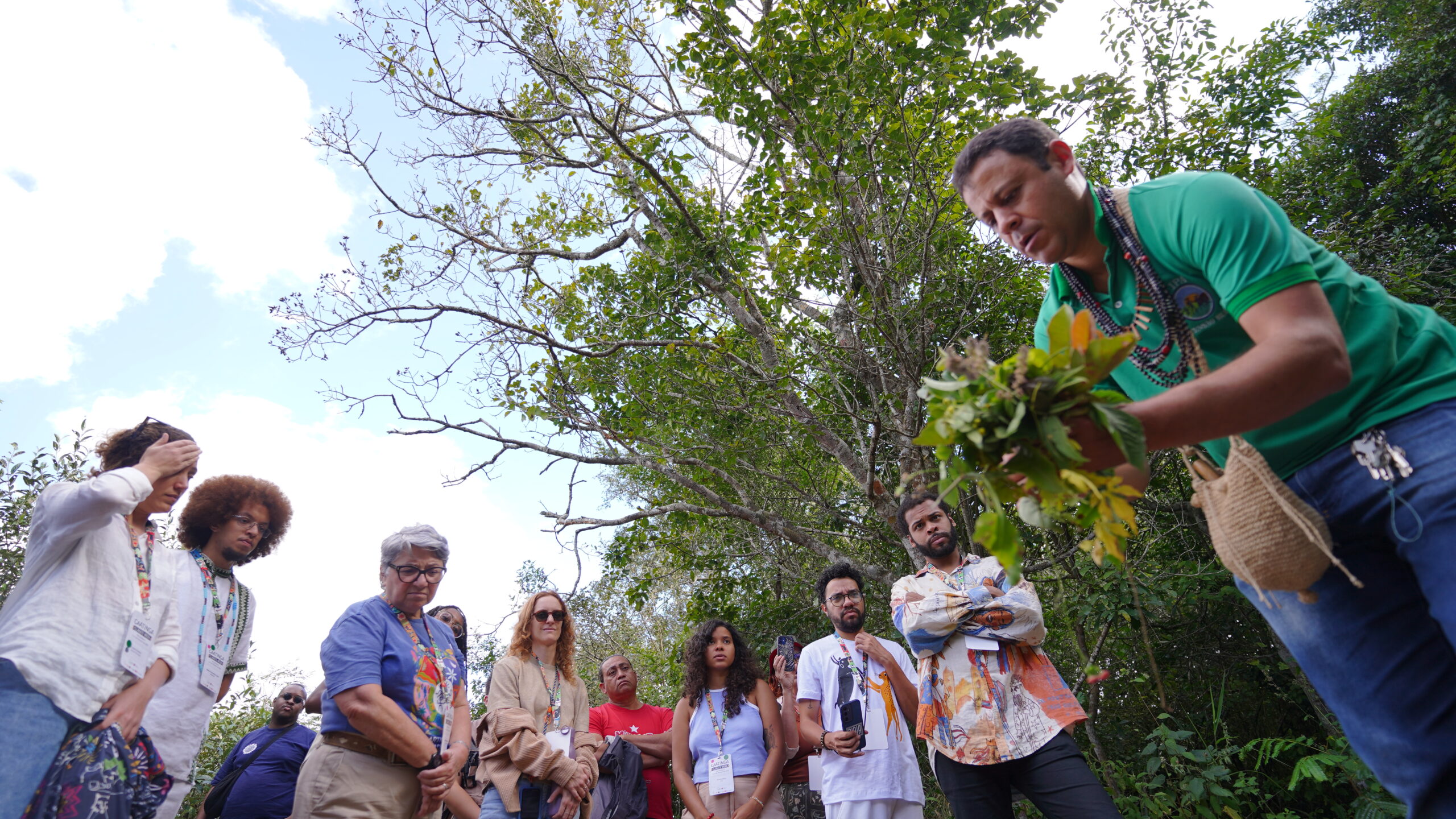

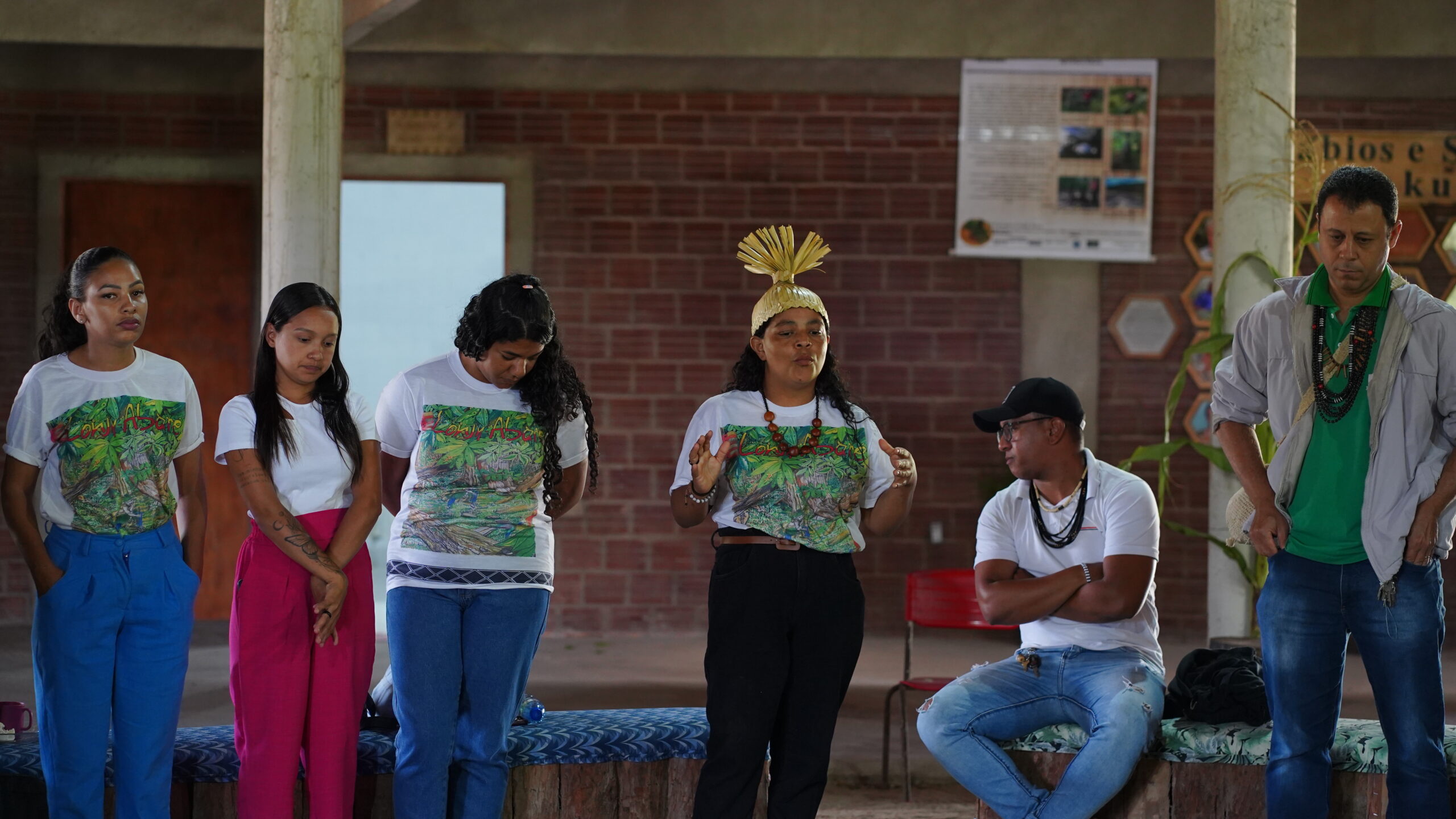
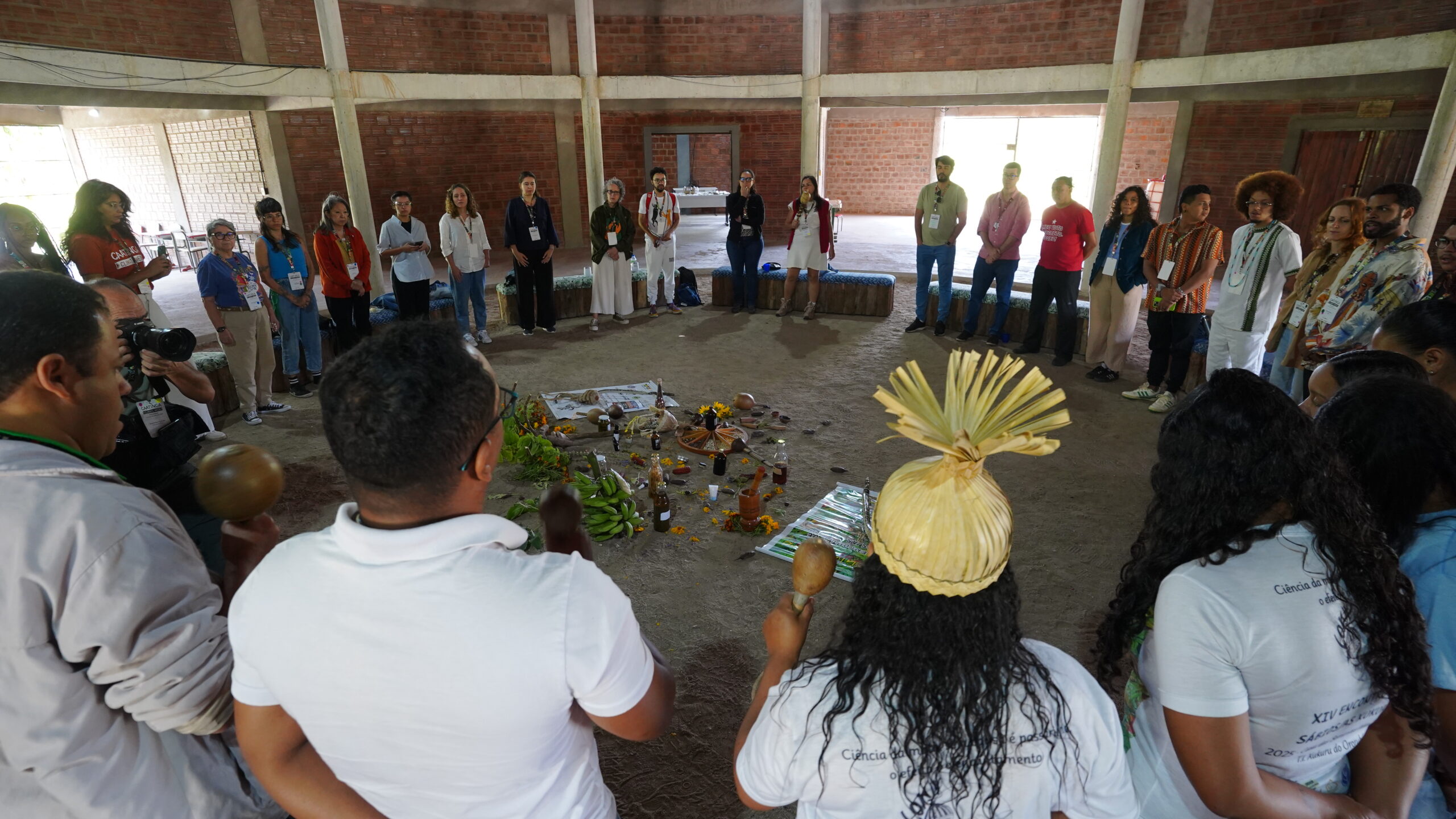
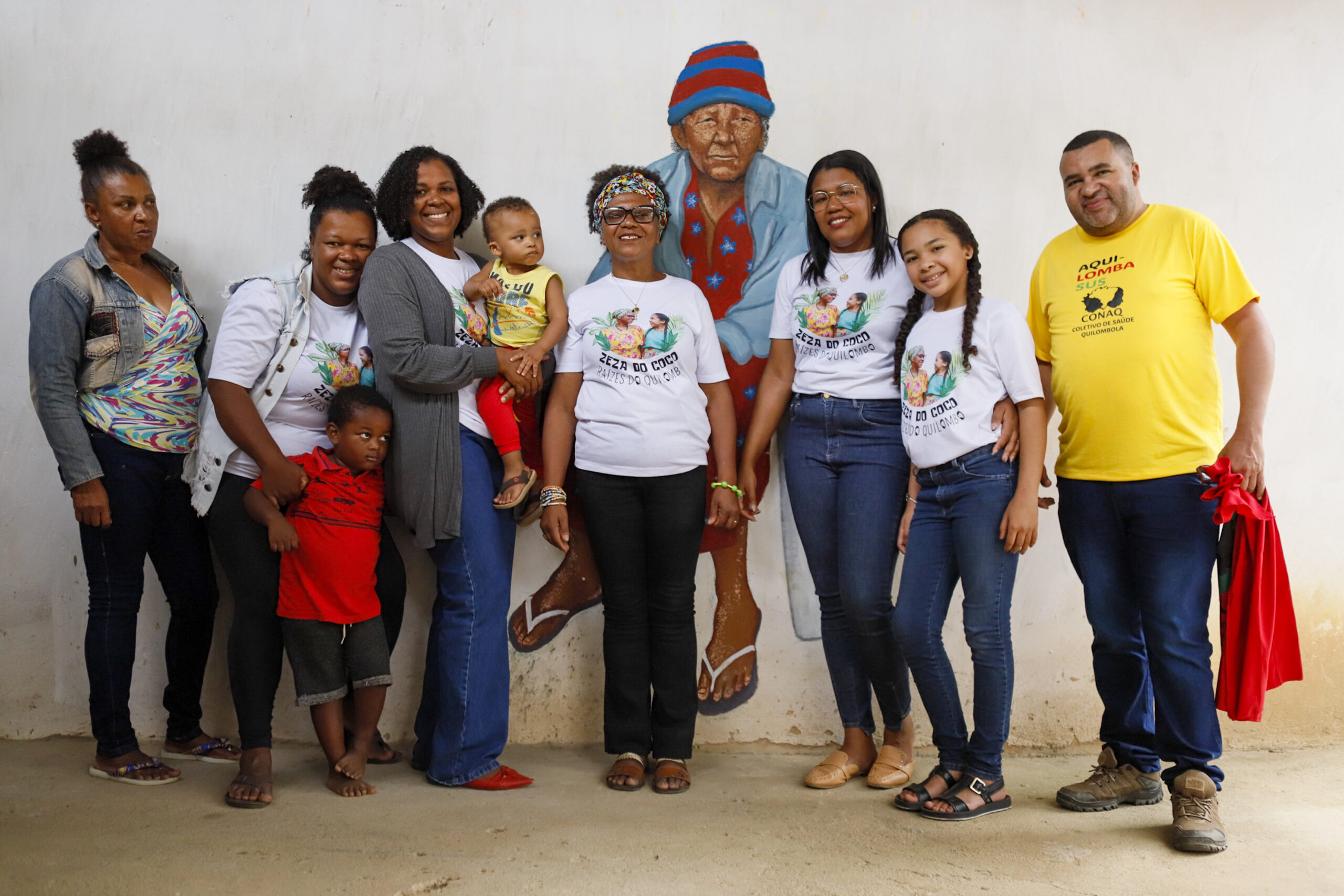
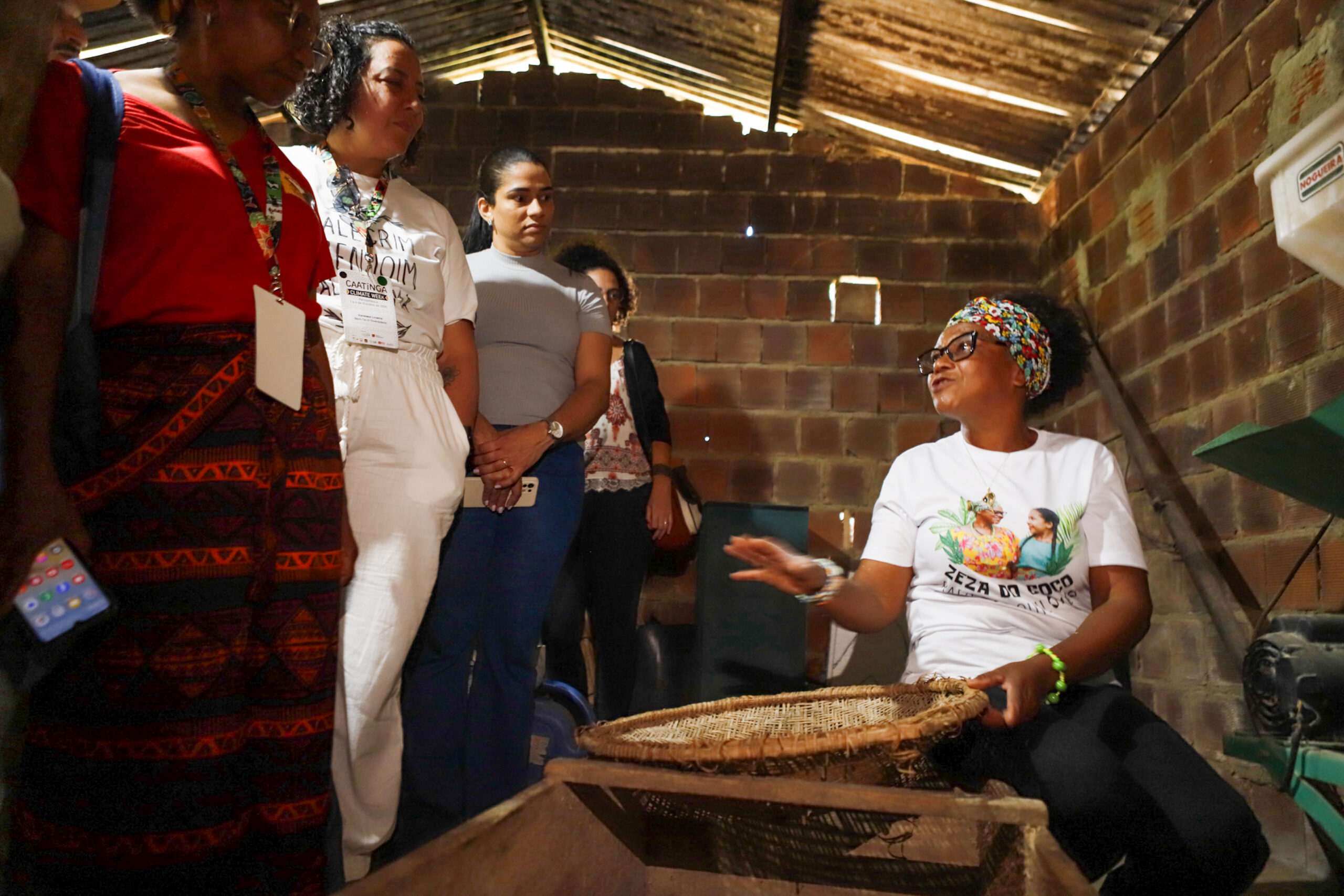
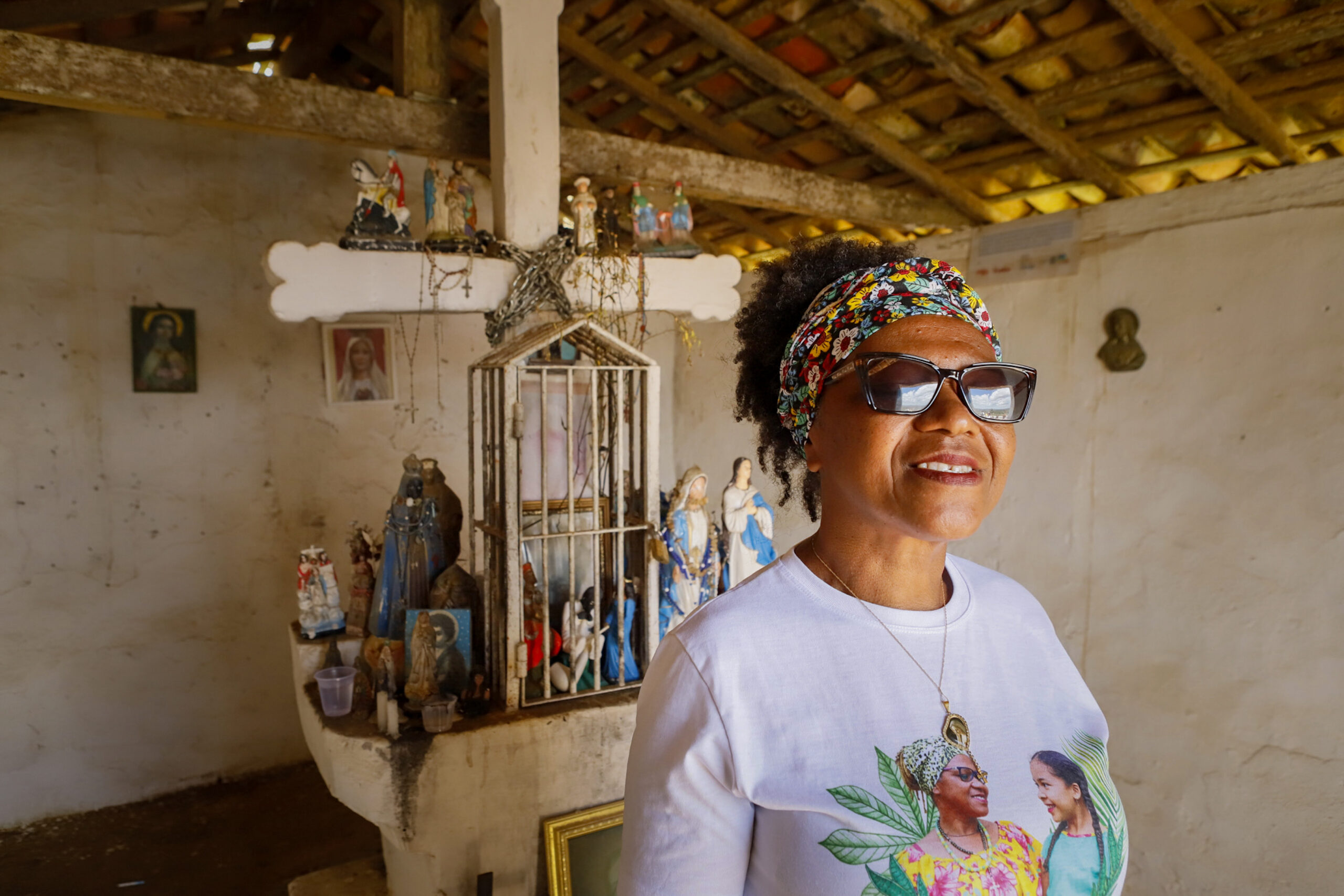
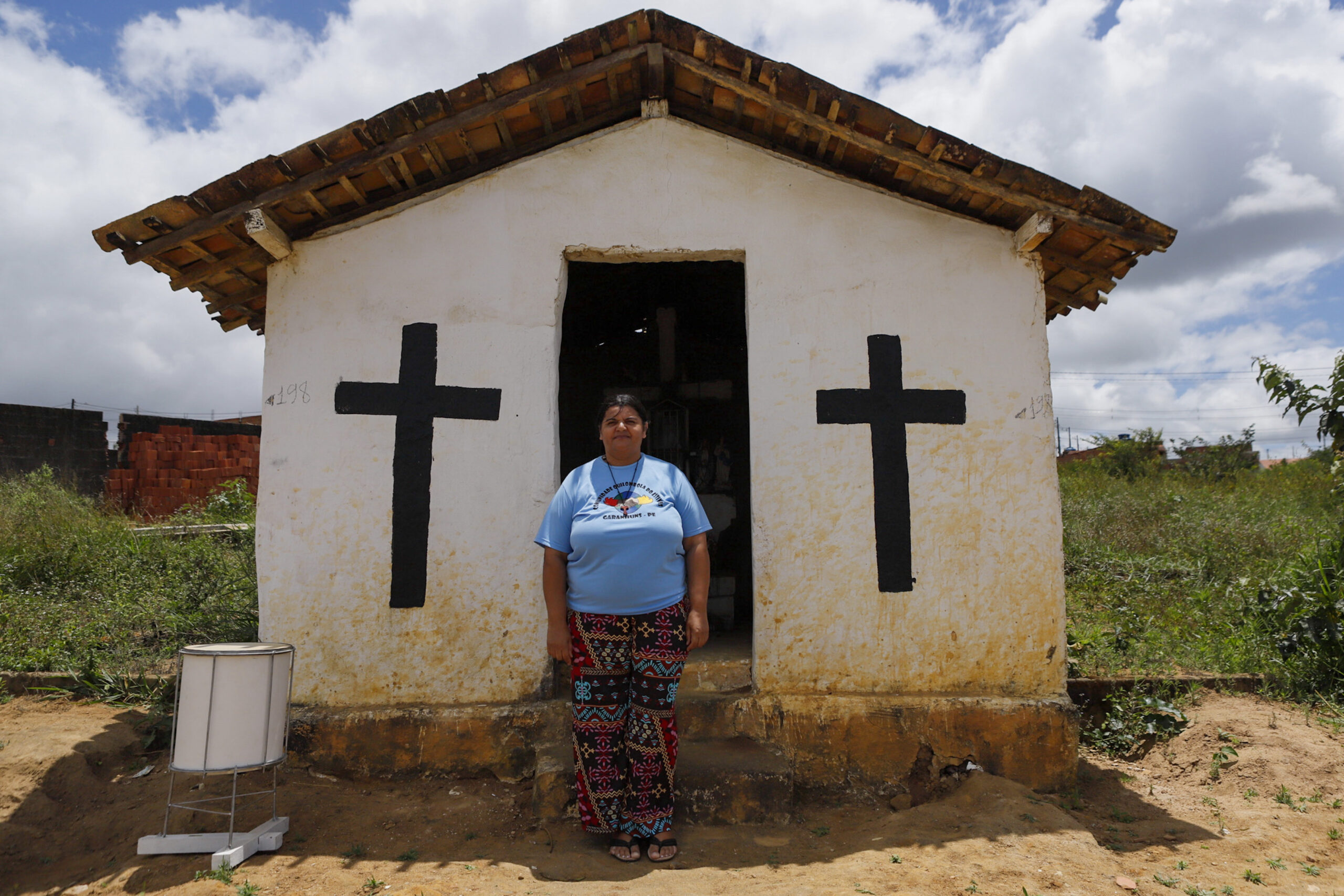
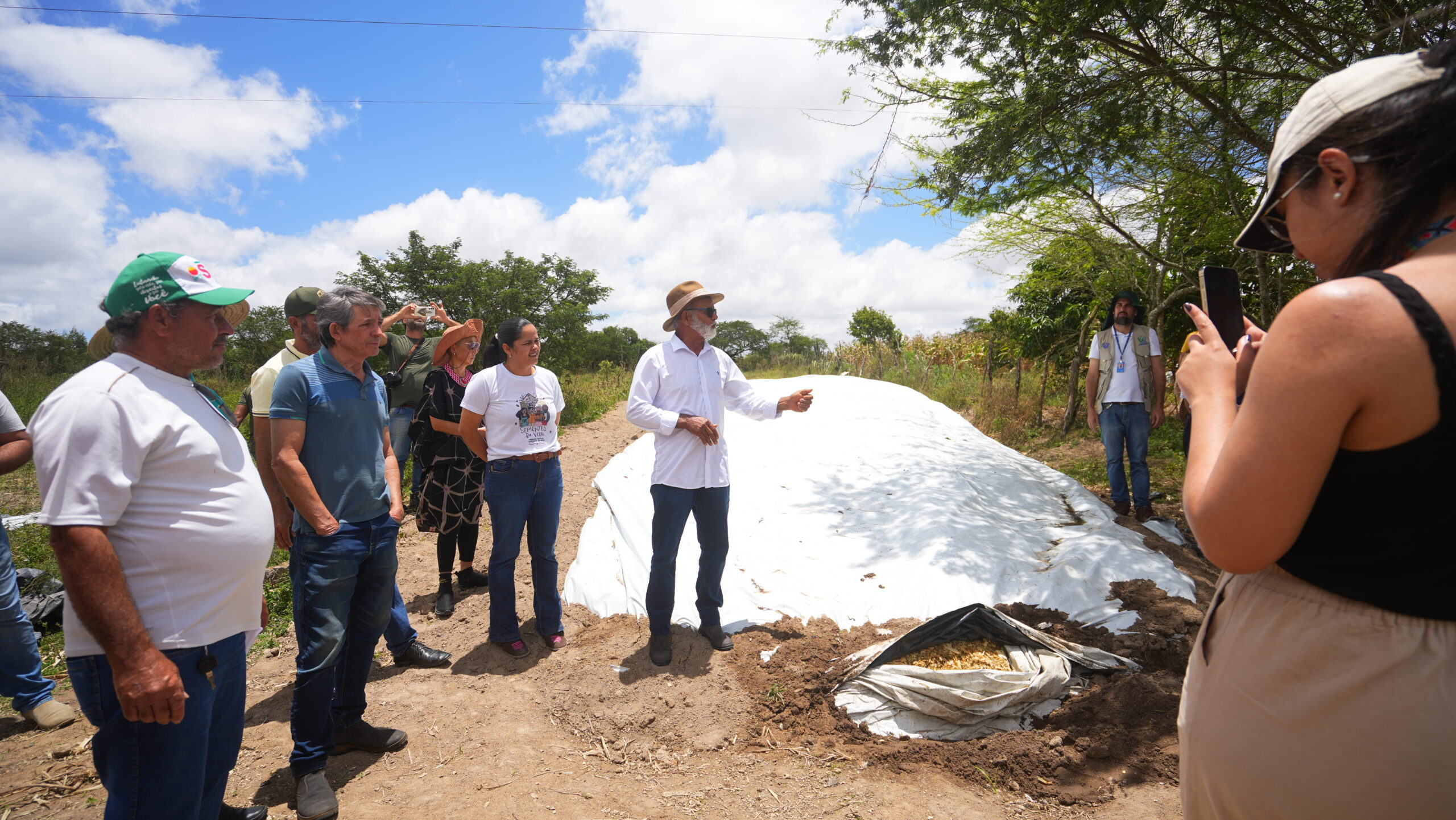
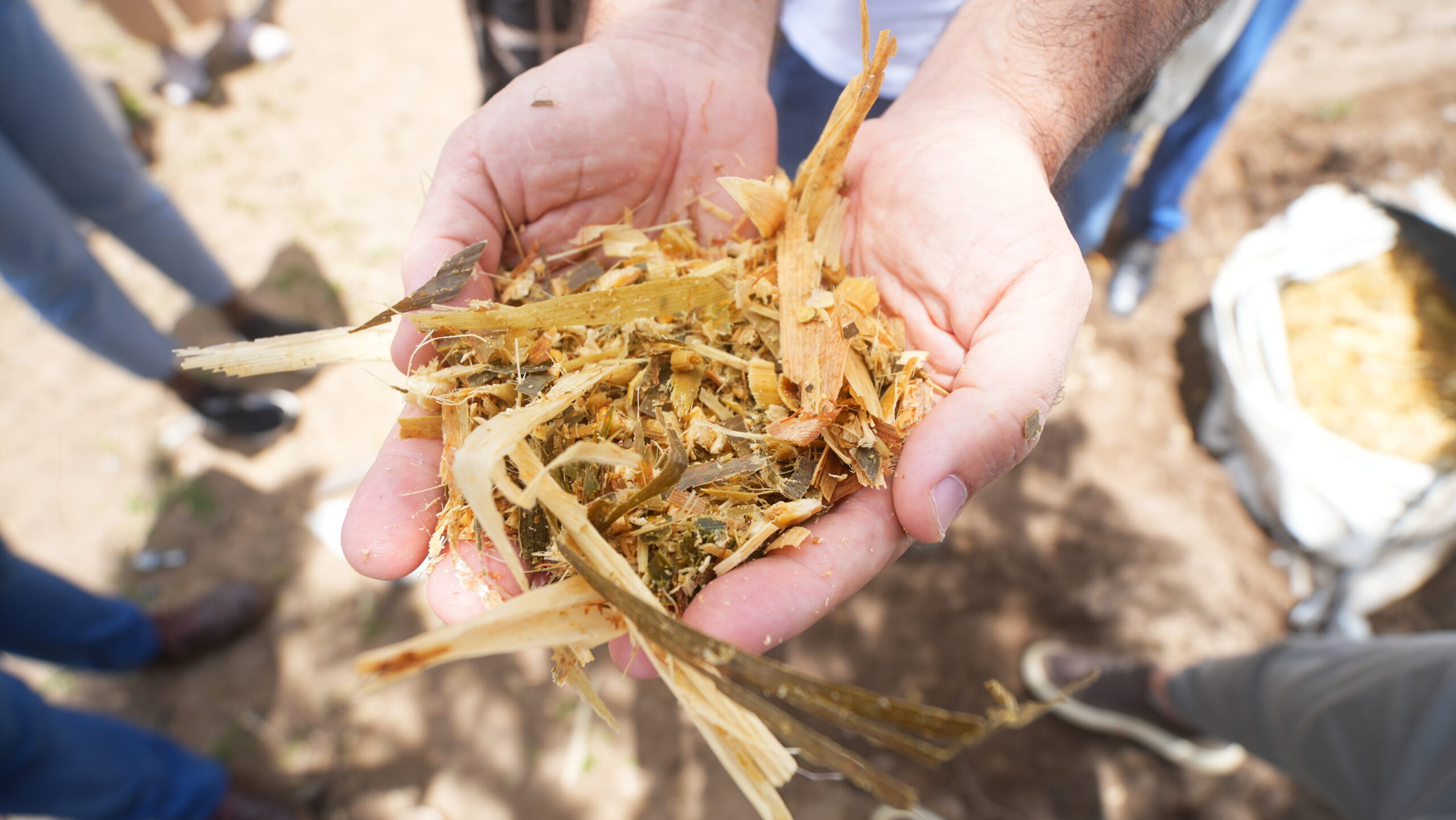
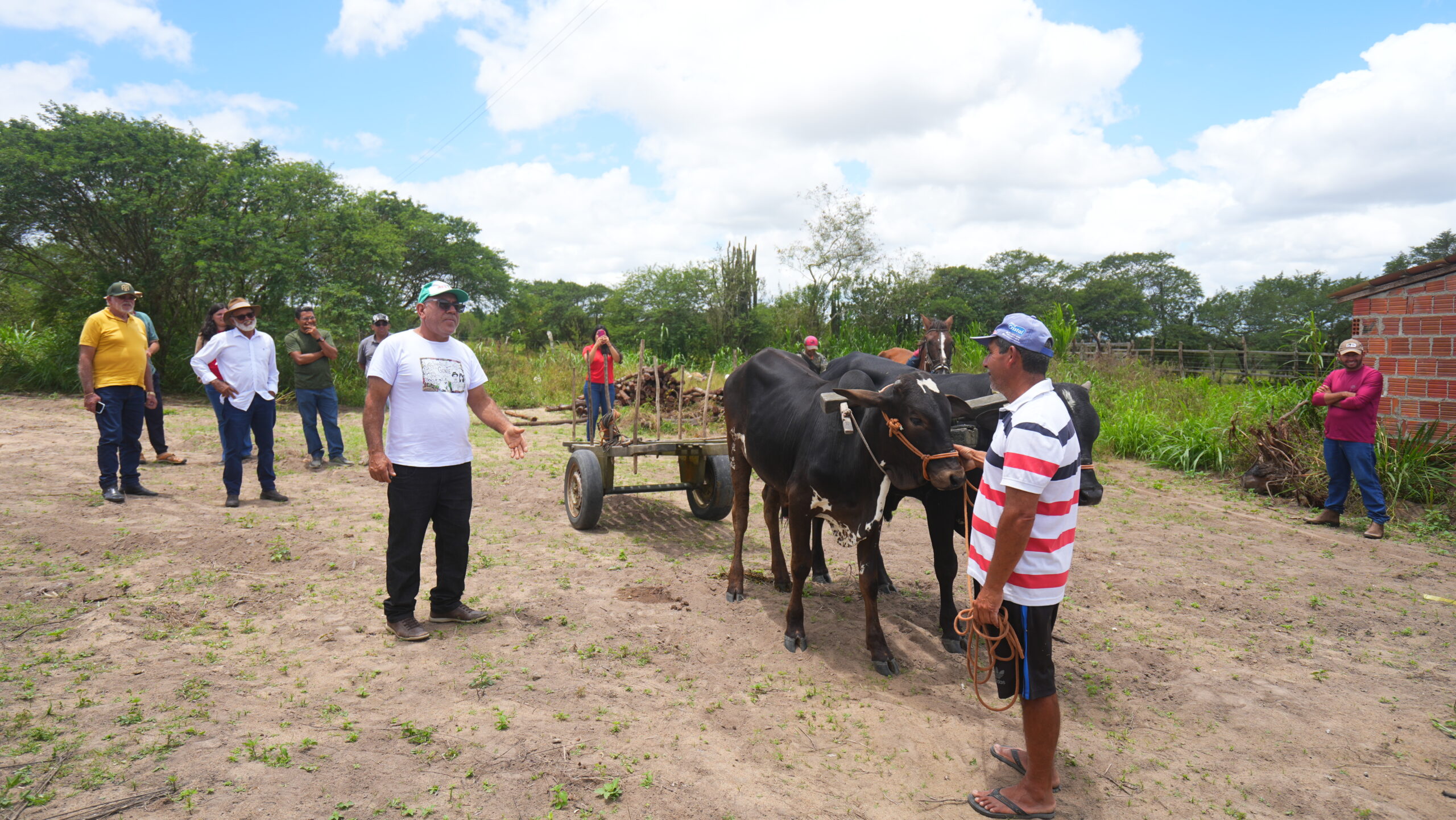
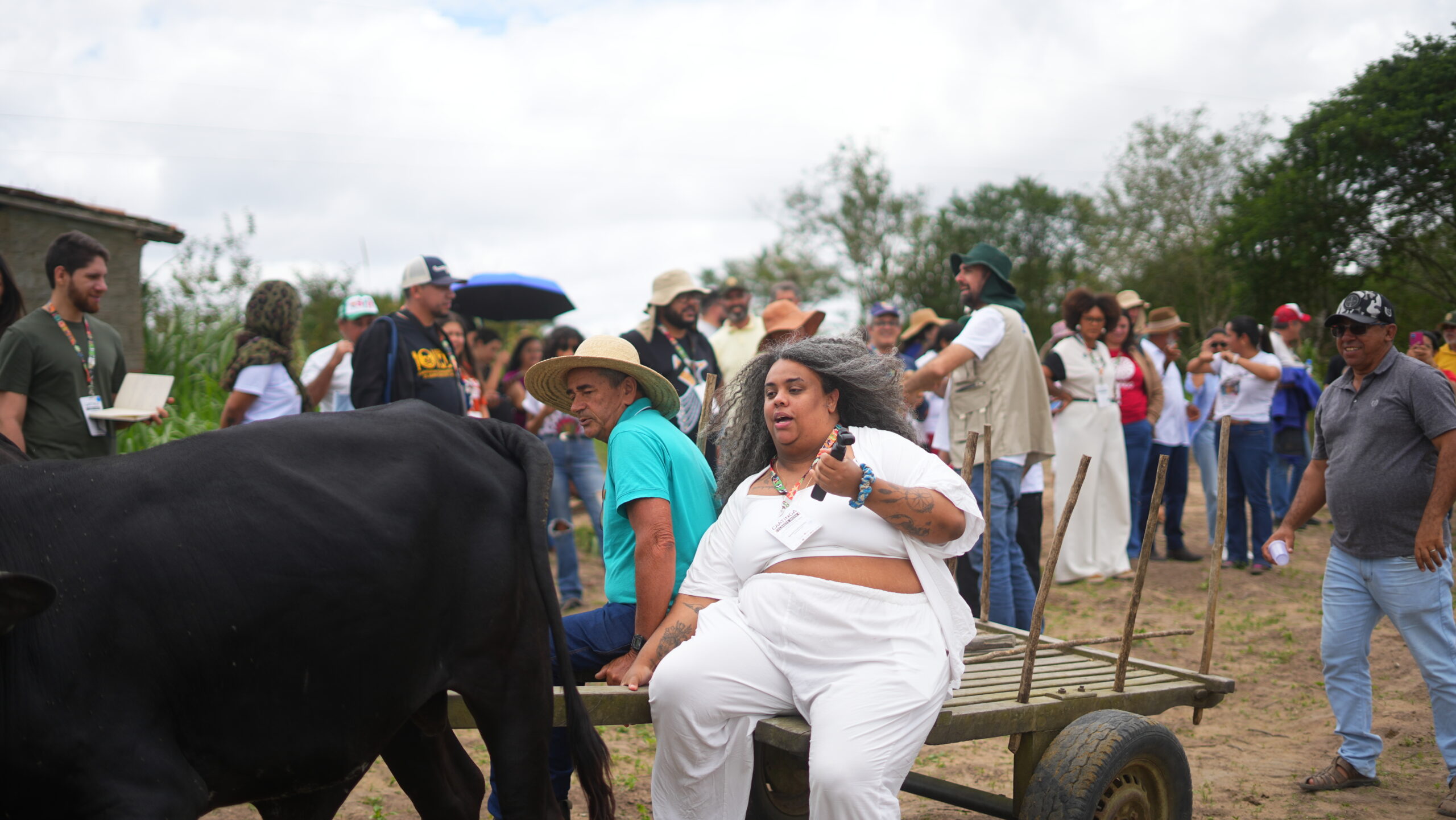
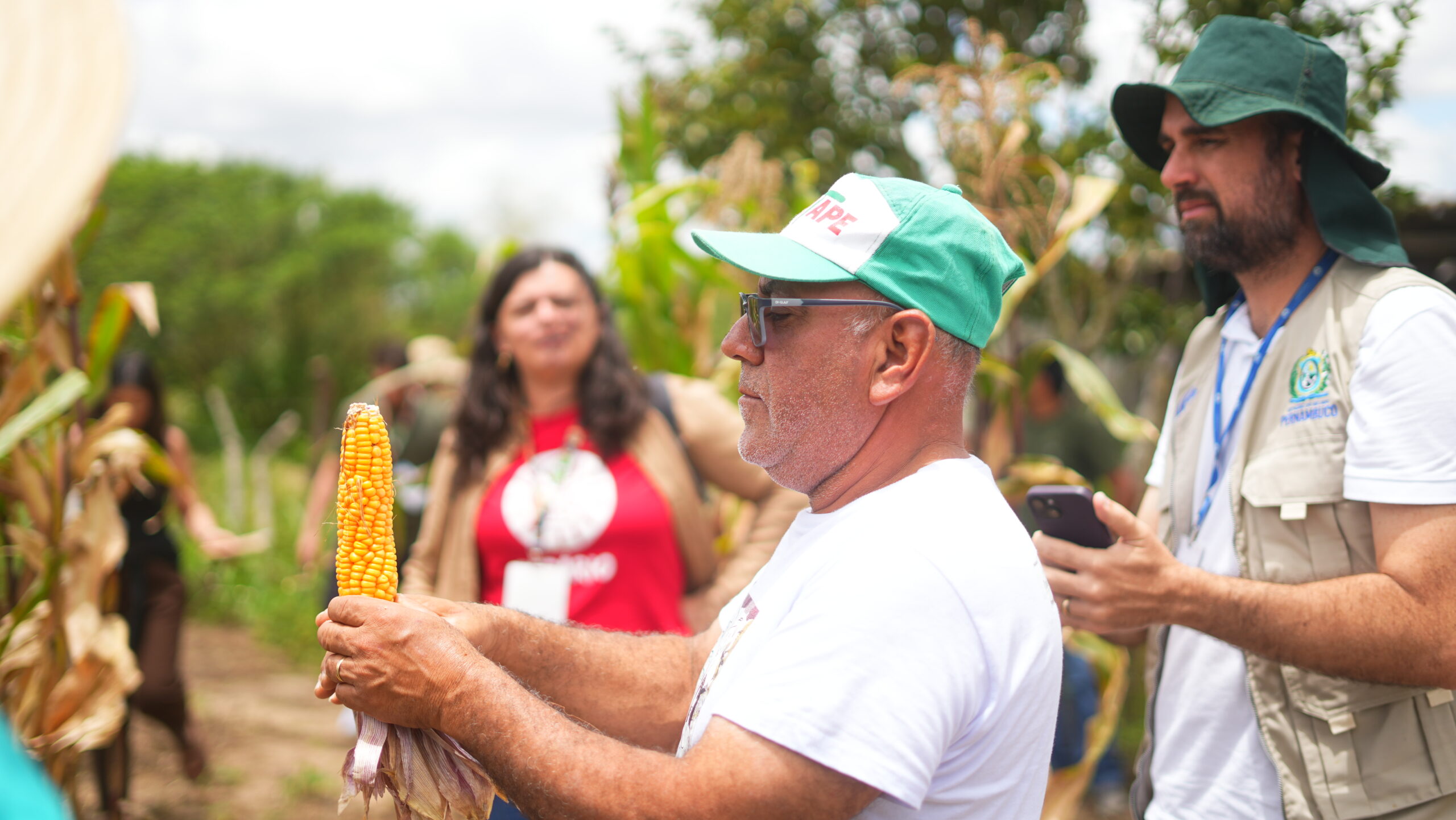
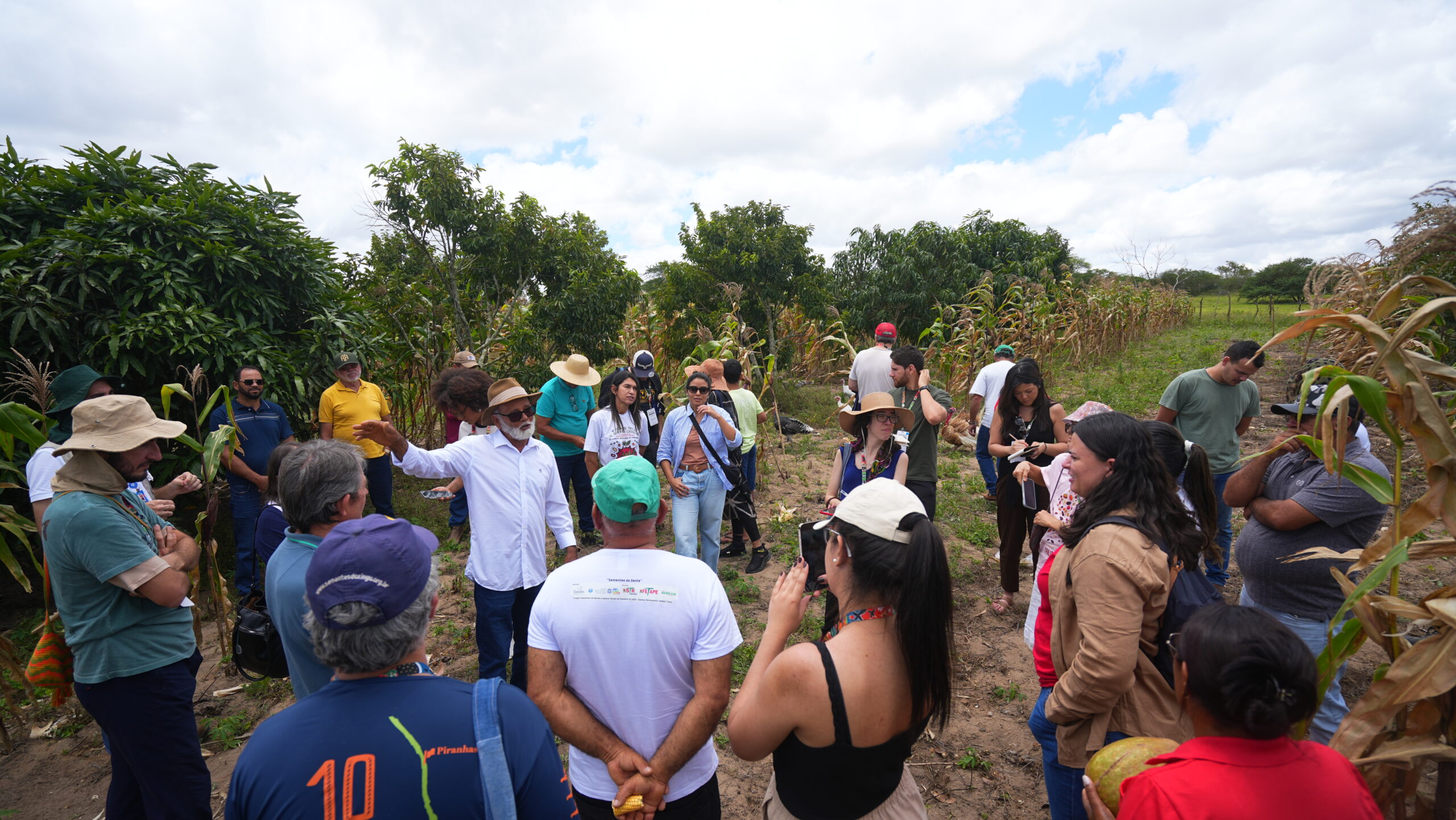
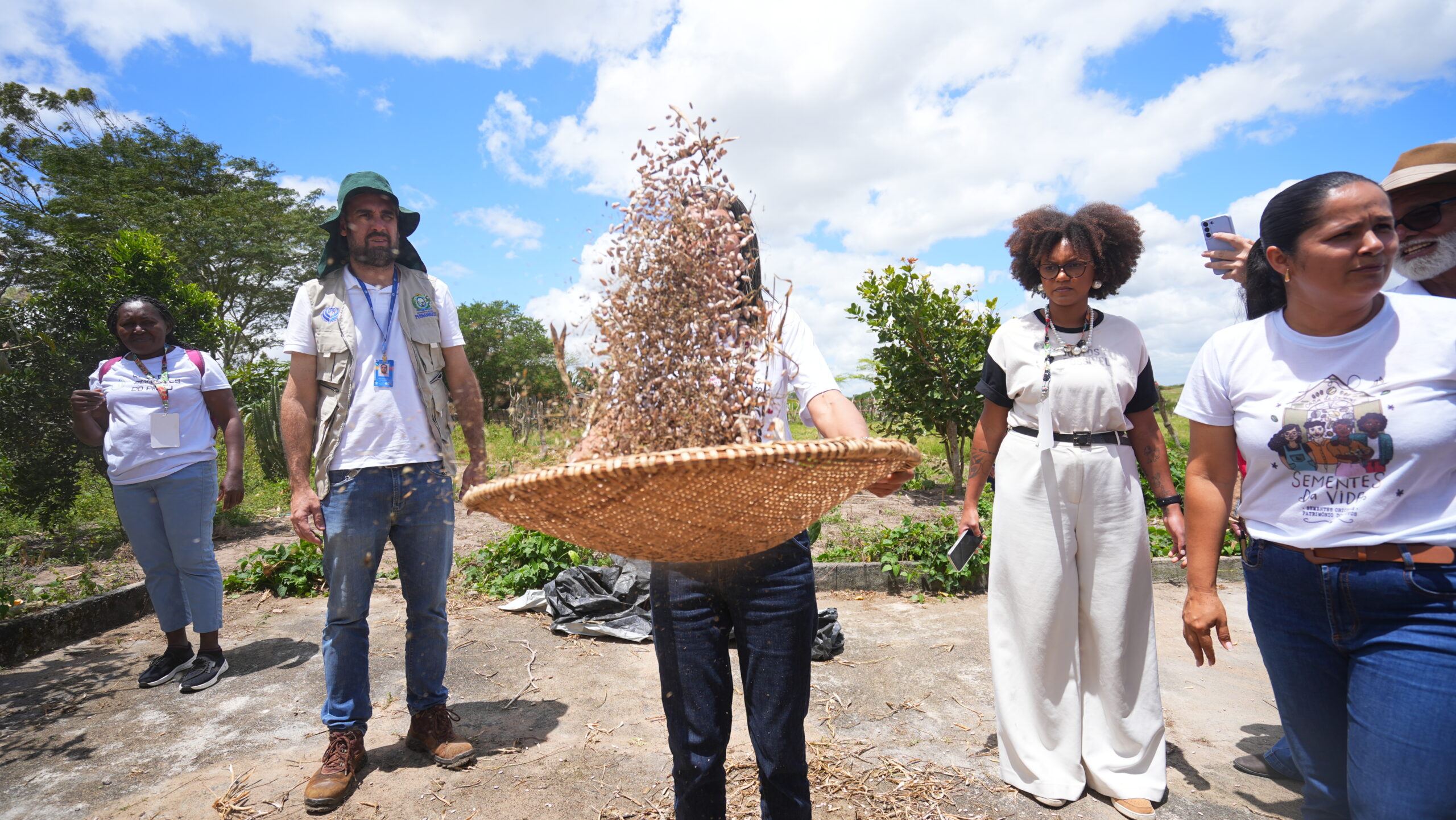
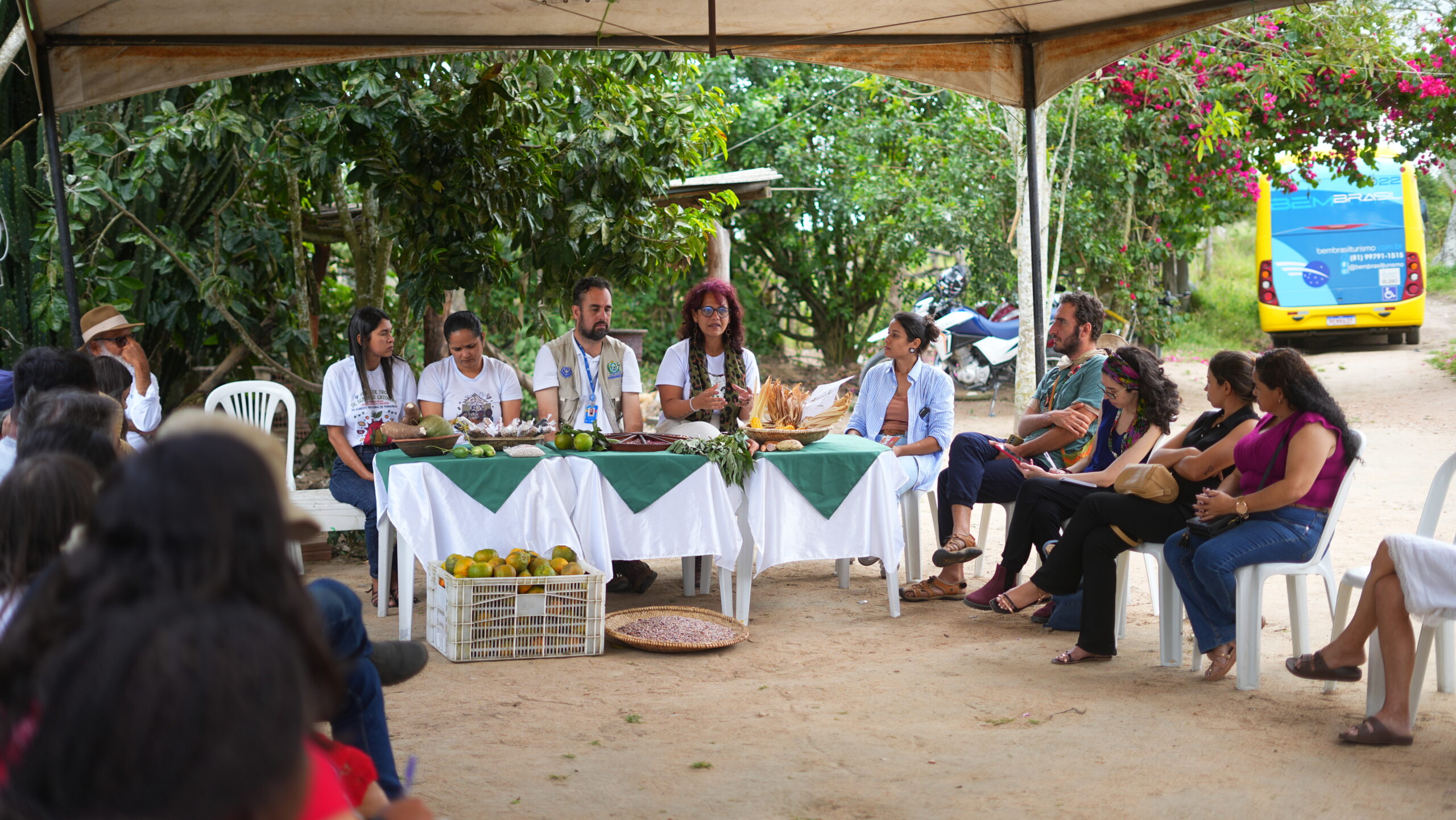
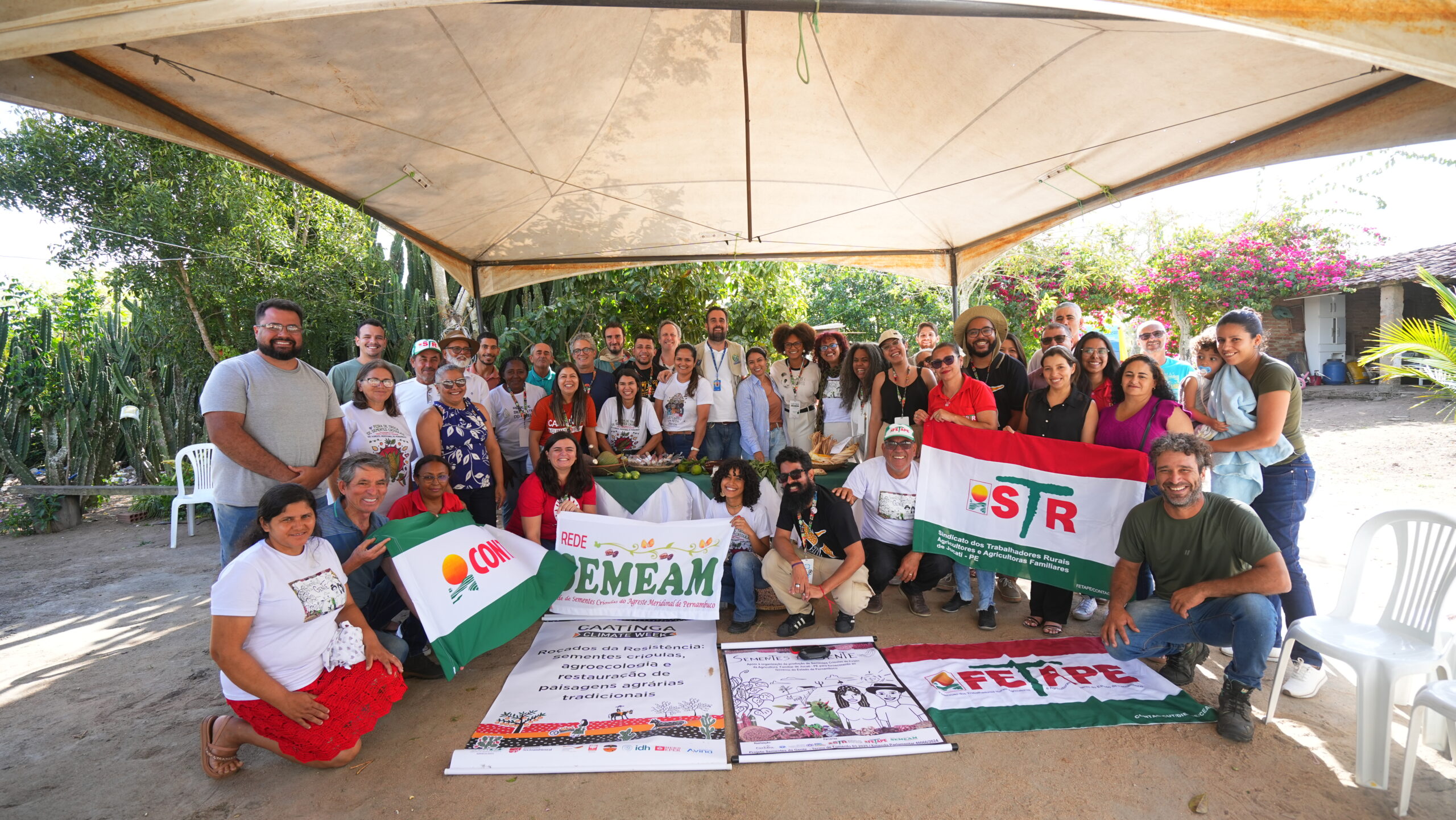
The debate on a just energy transition was also present during the visit to the Escola dos Ventos (School of the Winds), an initiative by farmers and researchers in the municipality of Caetés to confront the large wind energy projects in the region. In Jucati, the networked resistance of seed and knowledge exchanges between family farmers, social organizations and rural technicians, who are working together to defend the continuity of Creole seeds, stood out. The struggle for climate justice was also present in the food-producing backyards of the women of the Estivas and Castainho quilombos in Garanhuns, and in the pedagogy of enchantment to regenerate the Caatinga of the Xukuru do Ororubá people in Pesqueira.
Throughout the visits, the people of the Caatinga spoke about the challenges and threats to the biome, such as agribusiness and livestock farming, renewable energy parks, mining and rural succession threatened by the textile industry.
The final plenary session of the Semiarid Day brought together indigenous and quilombola representatives at the Vale do Catimbau National Park in Buíque on Saturday (4). Between rituals and powerful speeches, the peoples of the Caatinga ended the event with a mixture of denunciations and celebrations, embracing the struggles and resistance of the Brazilian Semi-arid.
Lula, son of the Caatinga – During the event, the President of the Republic, Luiz Inácio Lula da Silva, sent a video to be shown in the final plenary session, in which he greeted the participants of the event, emphasizing the importance of the biome and also reminding them that he is the son of the Brazilian Semi-Arid. Lula highlighted the biome as an important center for social technologies and solutions for dealing with the climate crisis.