
Projeto PNAE Agroecológico é lançado na cidade de Caruaru
Initiative to strengthen family farming and boost school meals
By Darliton Silva
Sabiá Center Communicator
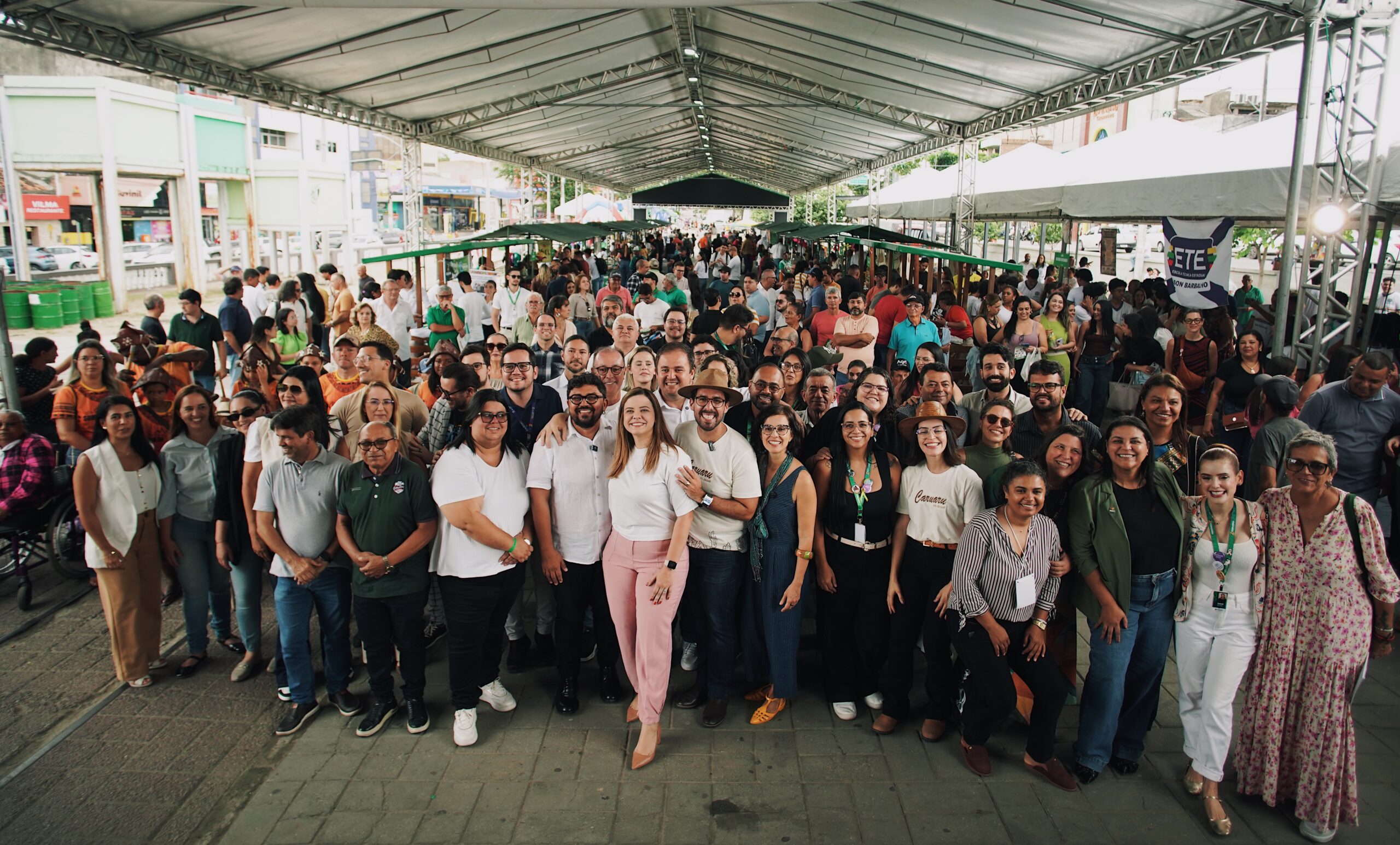
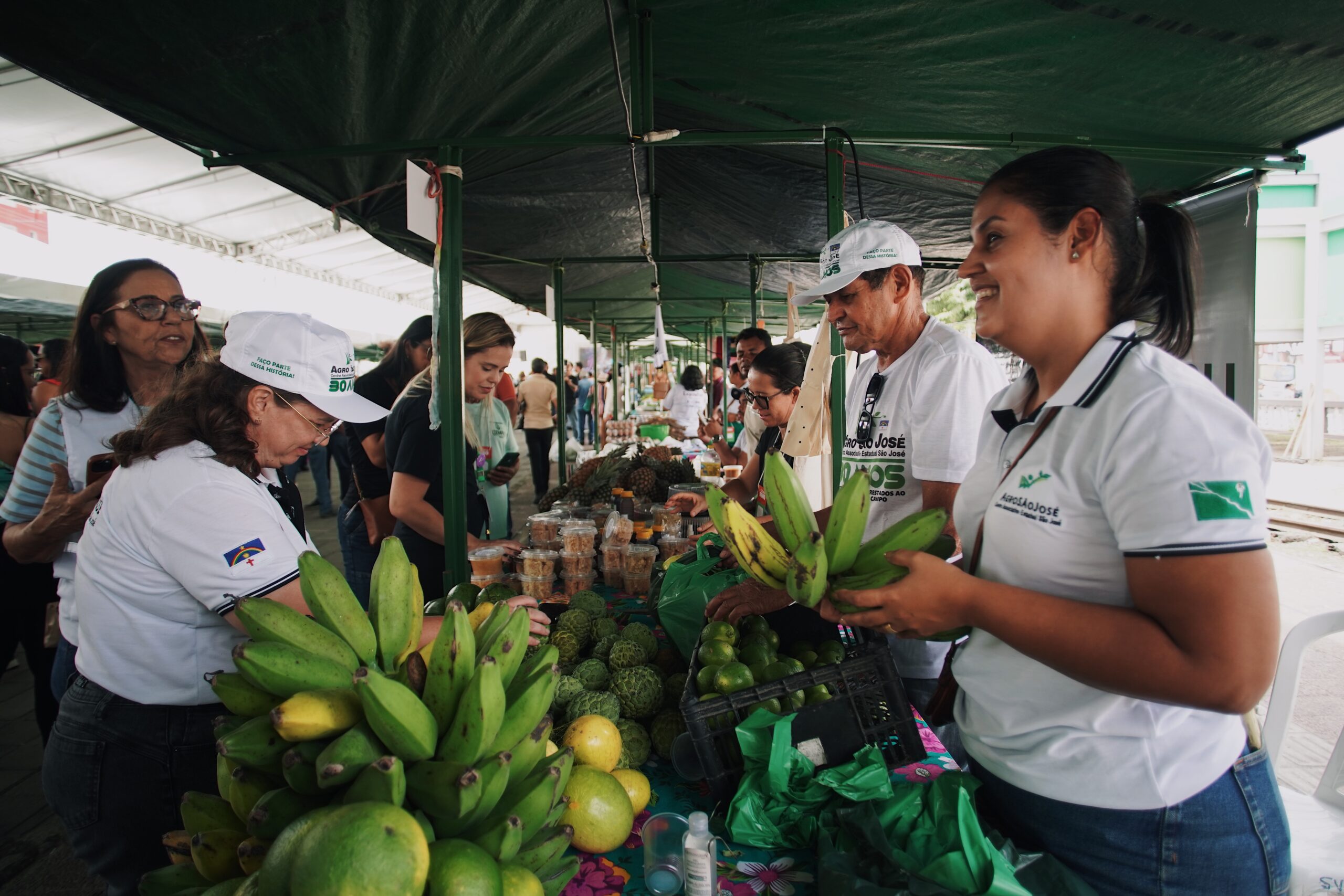
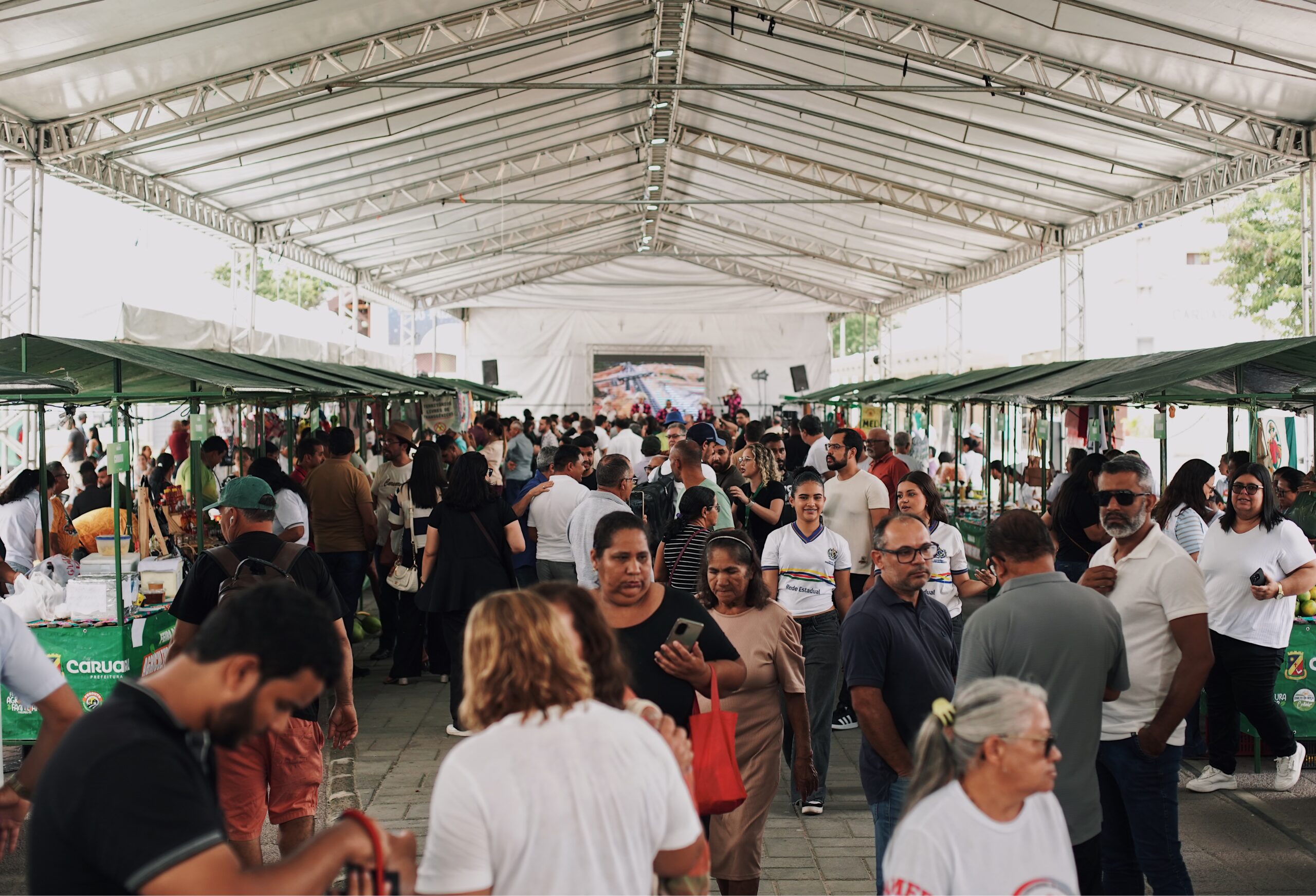
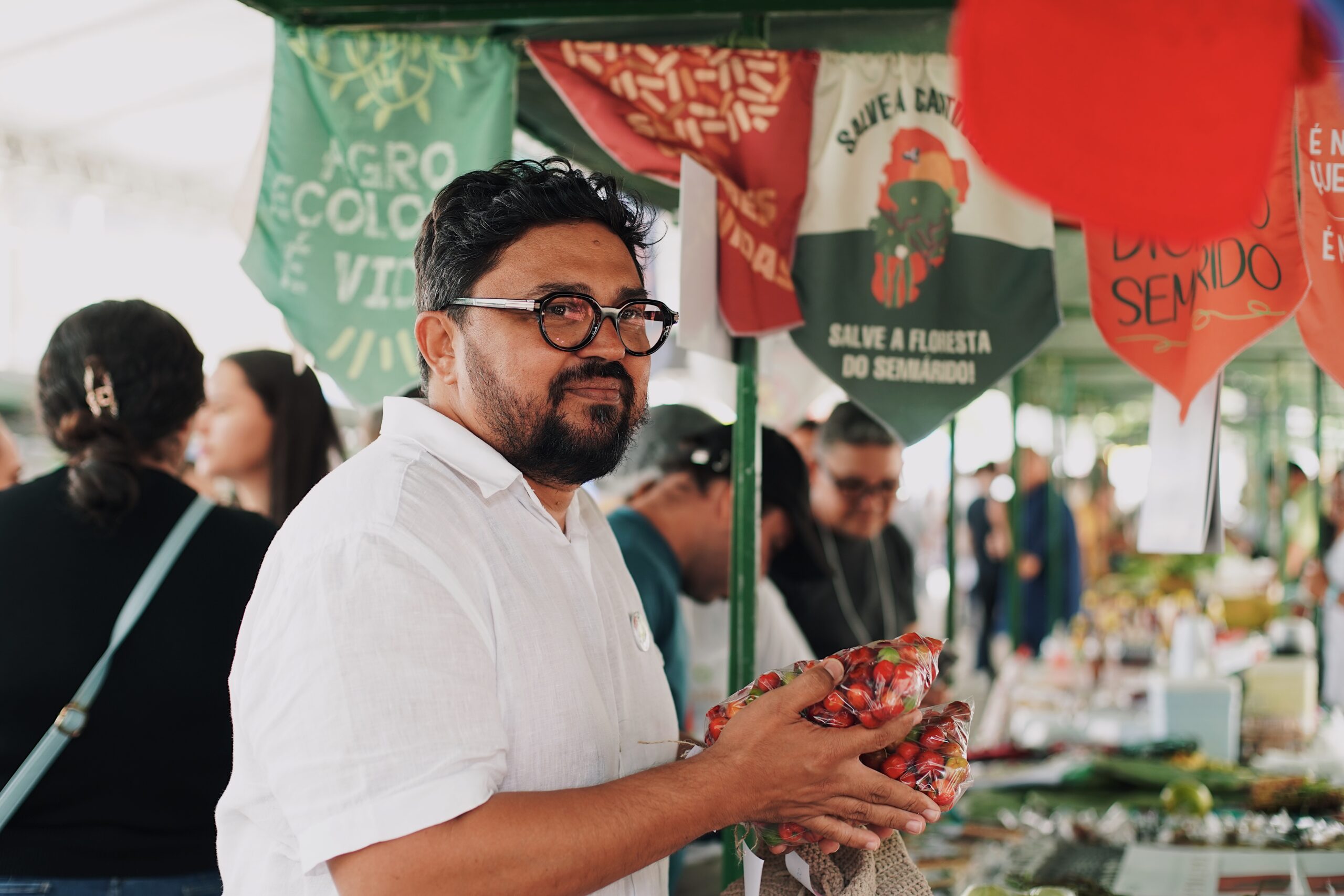
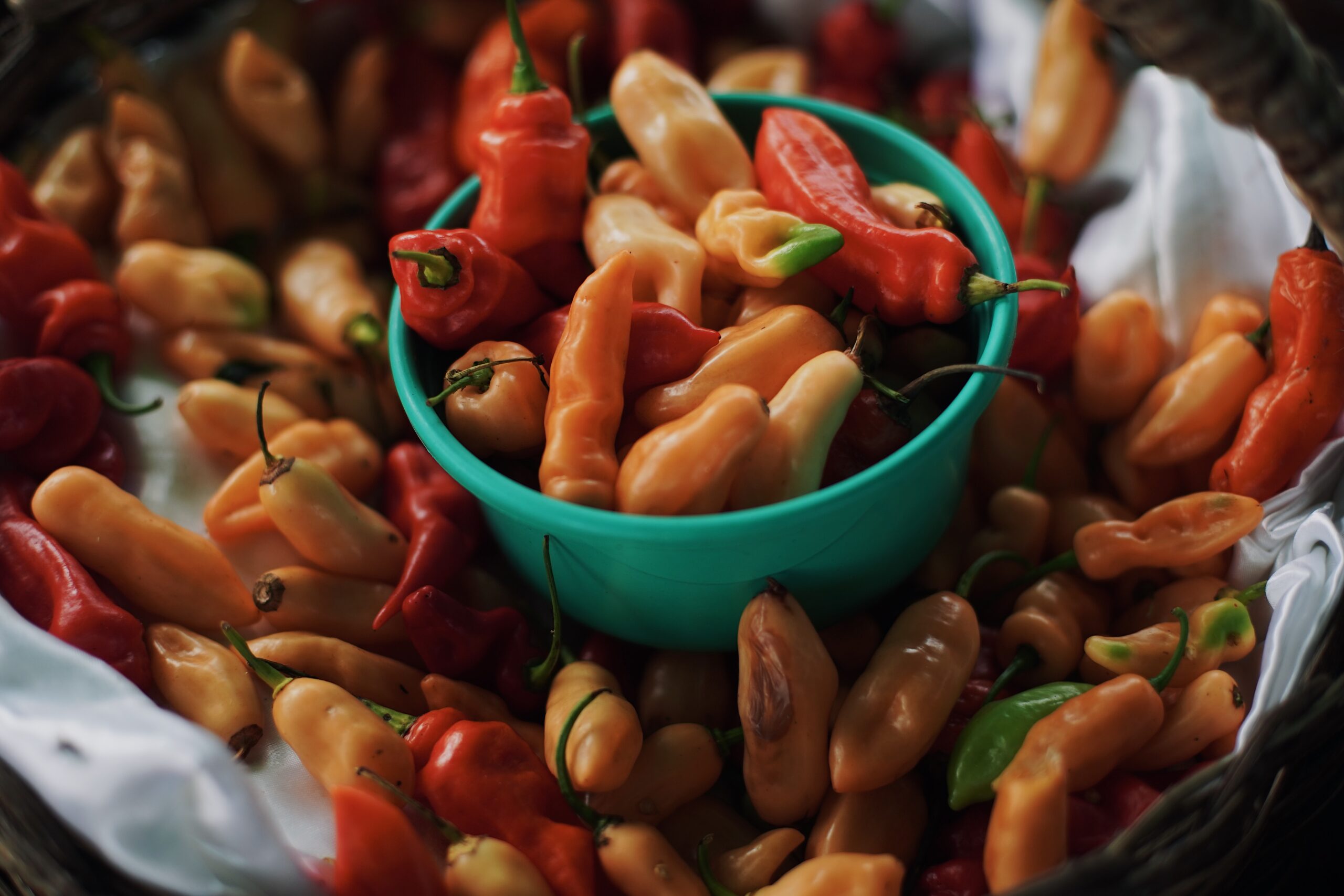
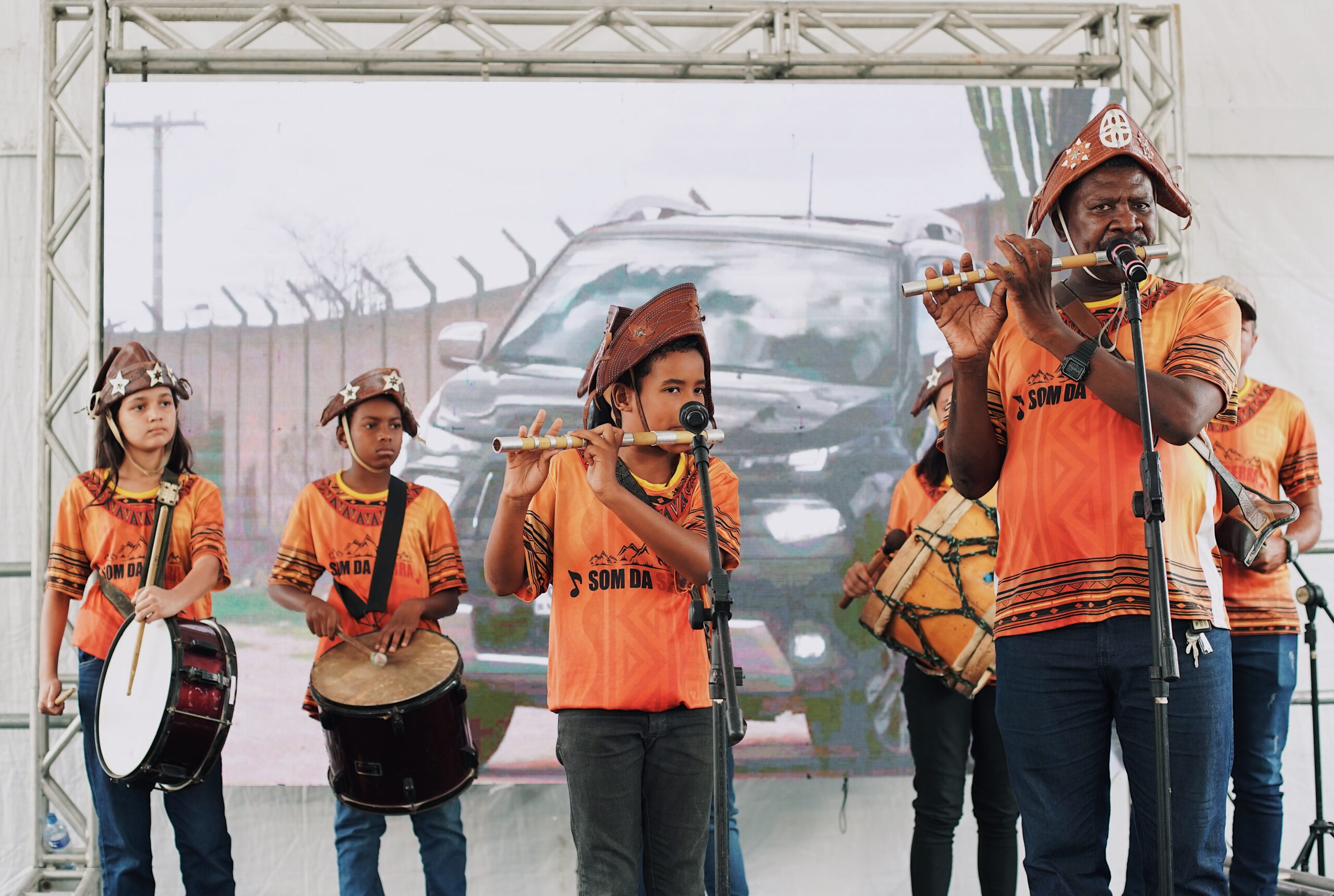
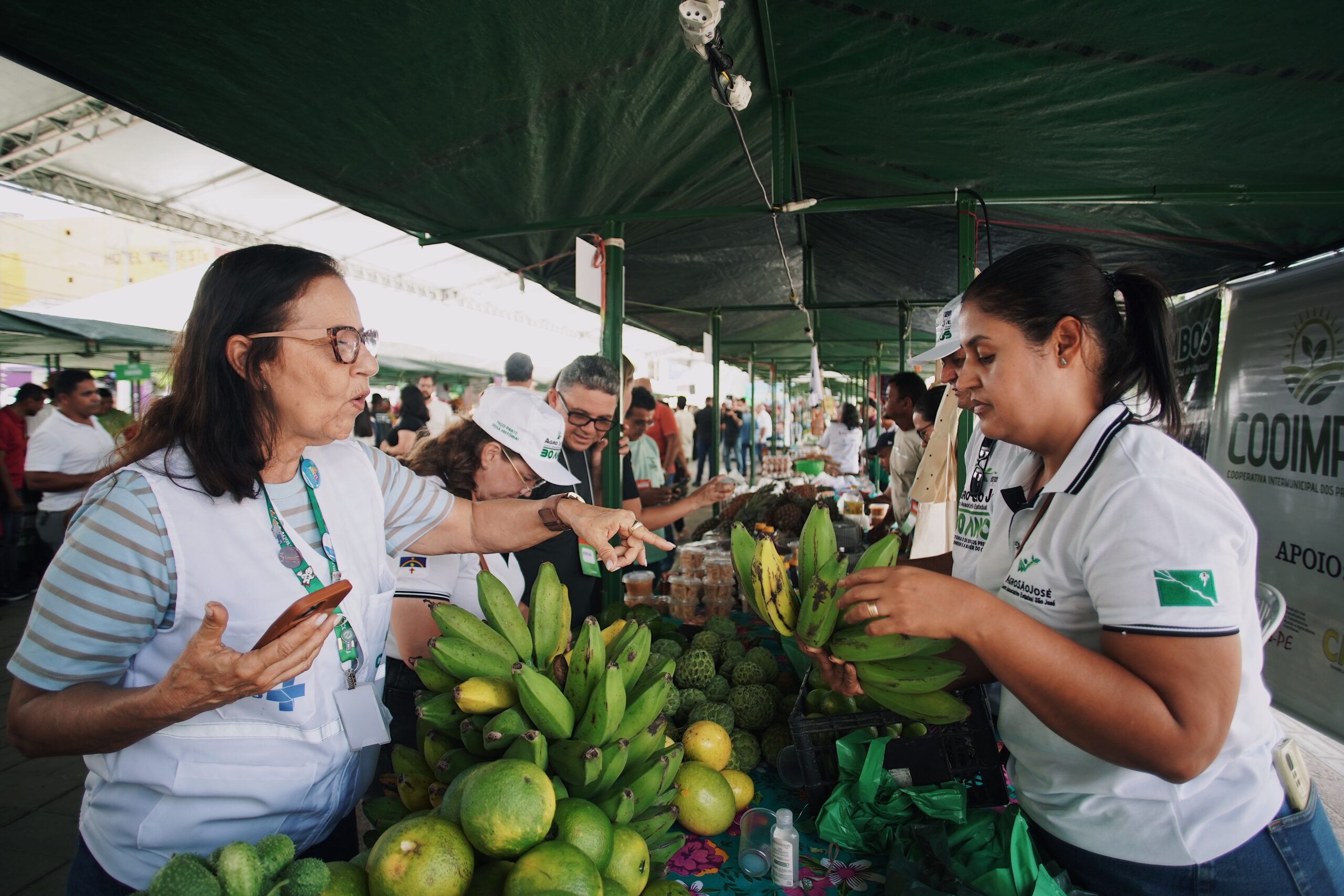
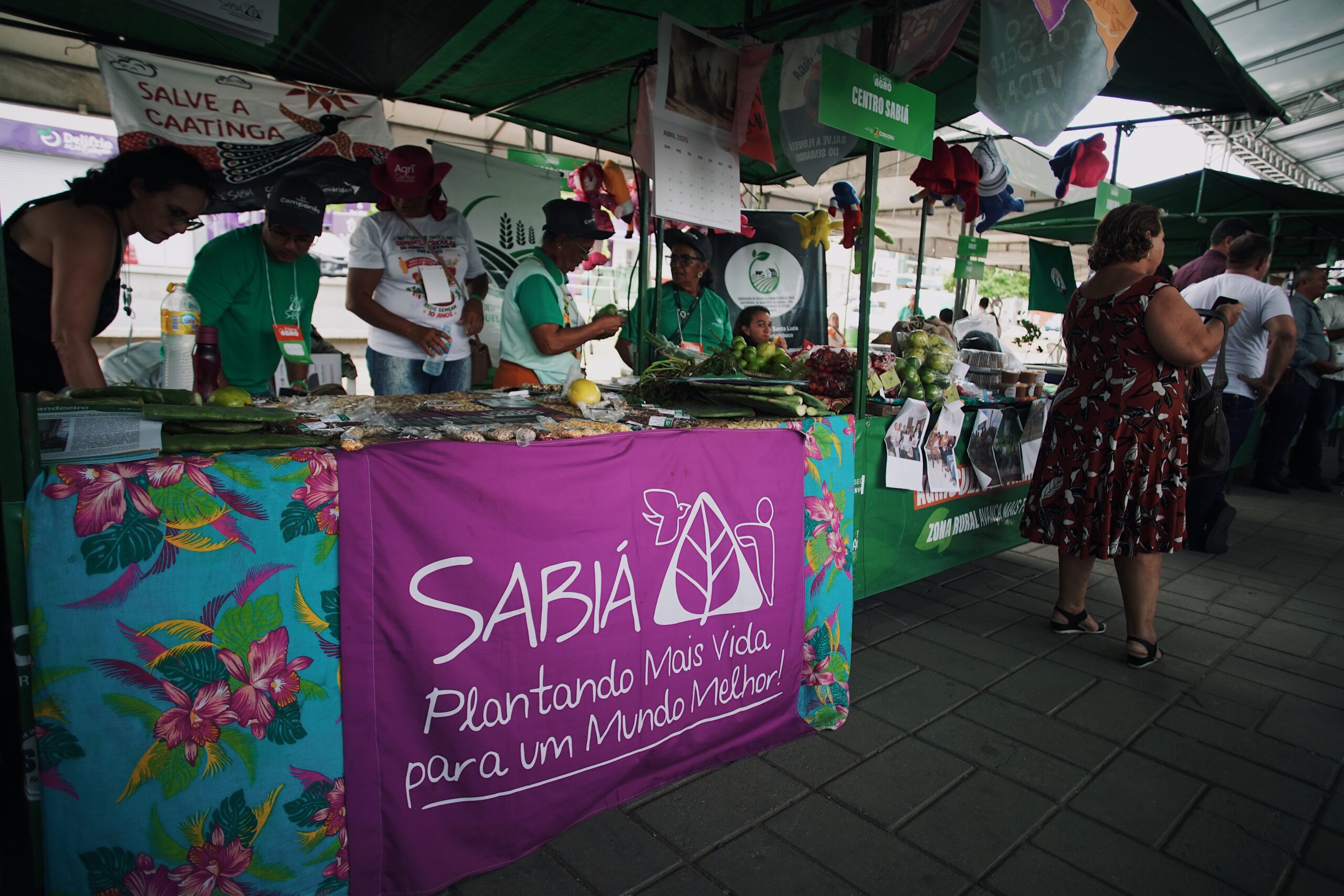
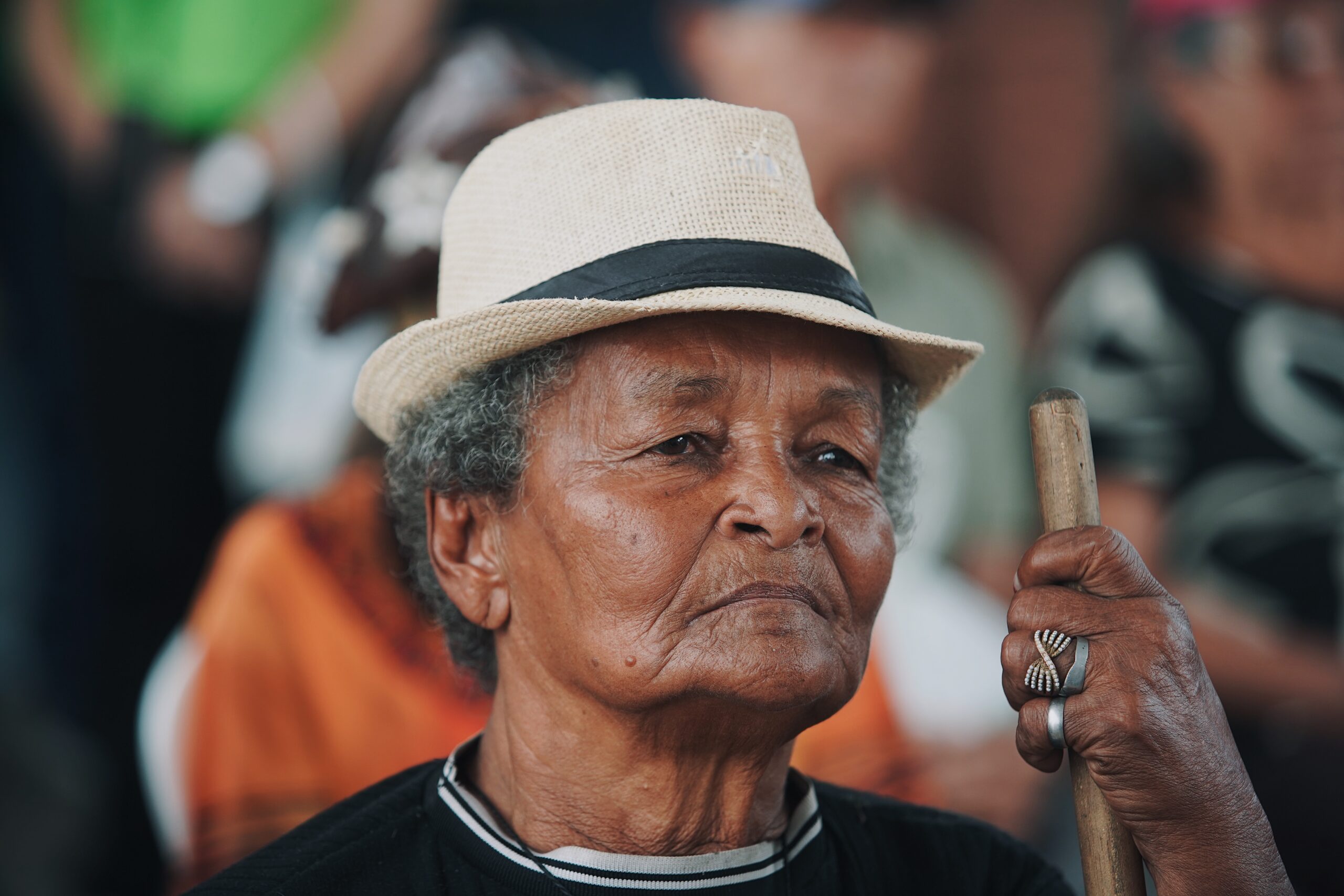
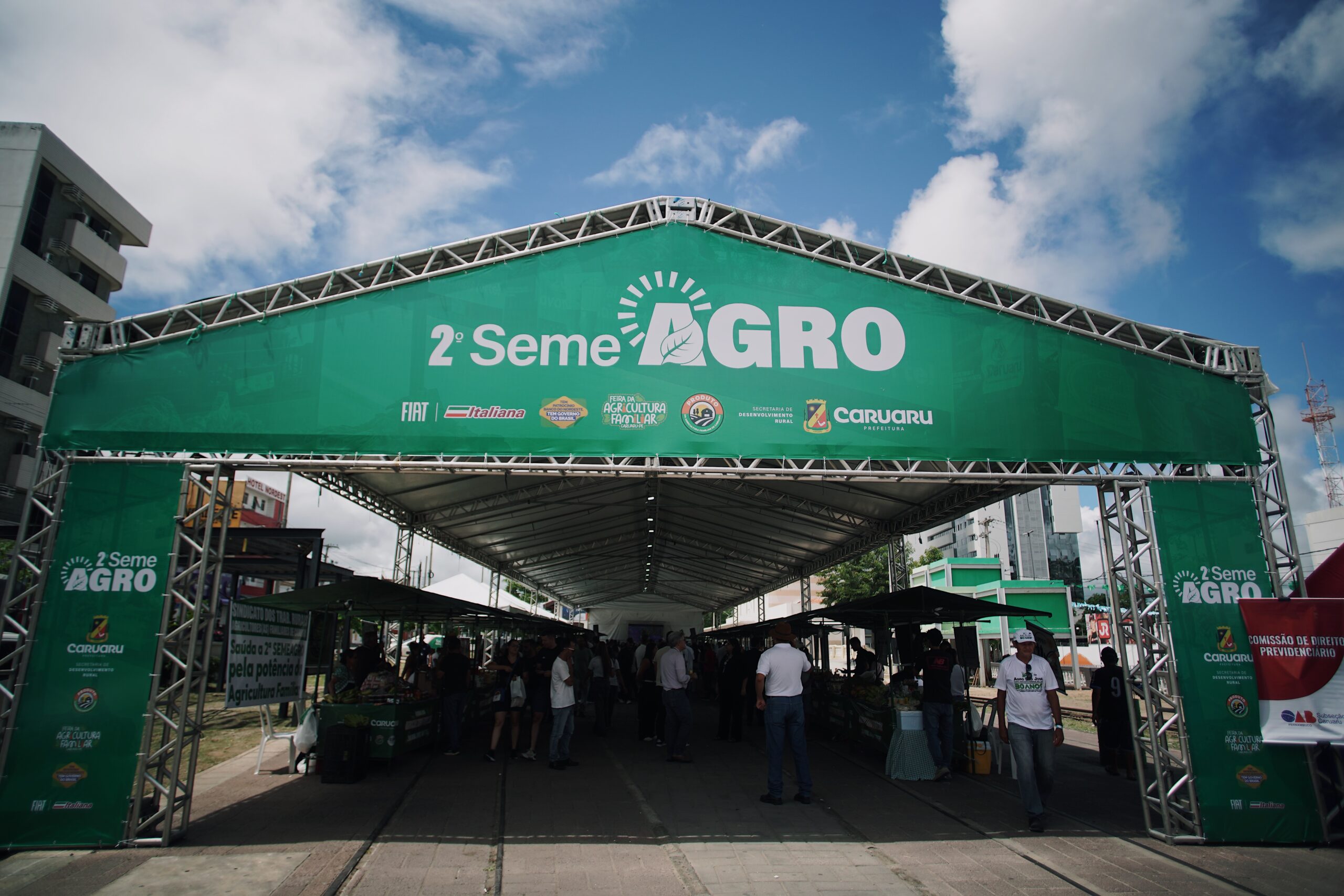
Last Friday (17), the city of Caruaru, in the Agreste region of Pernambuco, hosted the launch of the PNAE Agroecológico project. The II SemeAgro – Family Farming Fair was the setting chosen to mark the initiative, which aims to strengthen school meals and boost family farming in the municipality.
The event was part of the SemeAgro program, promoted by Caruaru City Hall, through the Rural Development Secretariat, with a focus on valuing rural production, expanding marketing channels and exchanging knowledge between farmers and partner institutions.
The celebration ceremony brought together representatives from 27 municipalities in Pernambuco and was attended by members of the Comida do Amanhã Institute and the Sabiá Center, as well as family farmers, institutional partners, municipal managers and state and federal authorities.
For Carlos Magno Morais, Centro Sabiá’s social mobilization coordinator, the expectation is that, over the next few years, the PNAE Agroecológico experience will go beyond the city of Caruaru and expand throughout the whole of Pernambuco’s Agreste region. According to him, coordination between the region’s municipalities can significantly increase investment in family farming. “If we bring together 45% of the municipalities in Agreste, we can inject more resources into family farmers in this region over the next few years. In a context of climate crisis, guaranteeing the safe marketing of production is fundamental to strengthening and expanding the initiative throughout the region,” he said.
Conducted nationally by the Food of Tomorrow Institute, in partnership with the Zero Hunger Institute (IFZ), the World Food Program (WFP) Centre of Excellence against Hunger in Brazil and the Rockefeller Foundation, the project will be implemented by the Sabiá Center, with the support of Caruaru City Hall.
“The project represents a step forward in strengthening initiatives already underway in Caruaru and the region, highlighting the existence of an organized base made up of family farmers, social movements and local institutions that, for years, have been building food production practices connected to the reality and knowledge of the Caatinga territory,” says Gabriela Rodrigues, project coordinator at the Comida do Amanhã Institute.
Check out the best moments from the PNAE Agroecológico launch!
Nothing found.