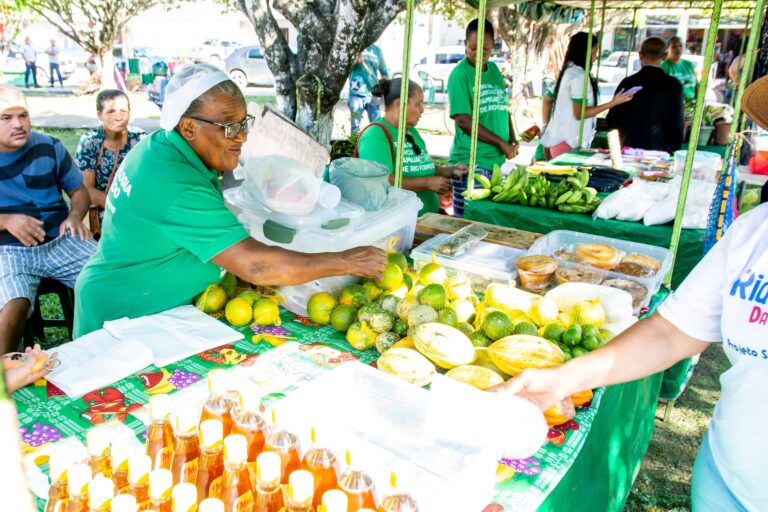


UFRPE opens selection for Bachelor’s Degree in Agroecology
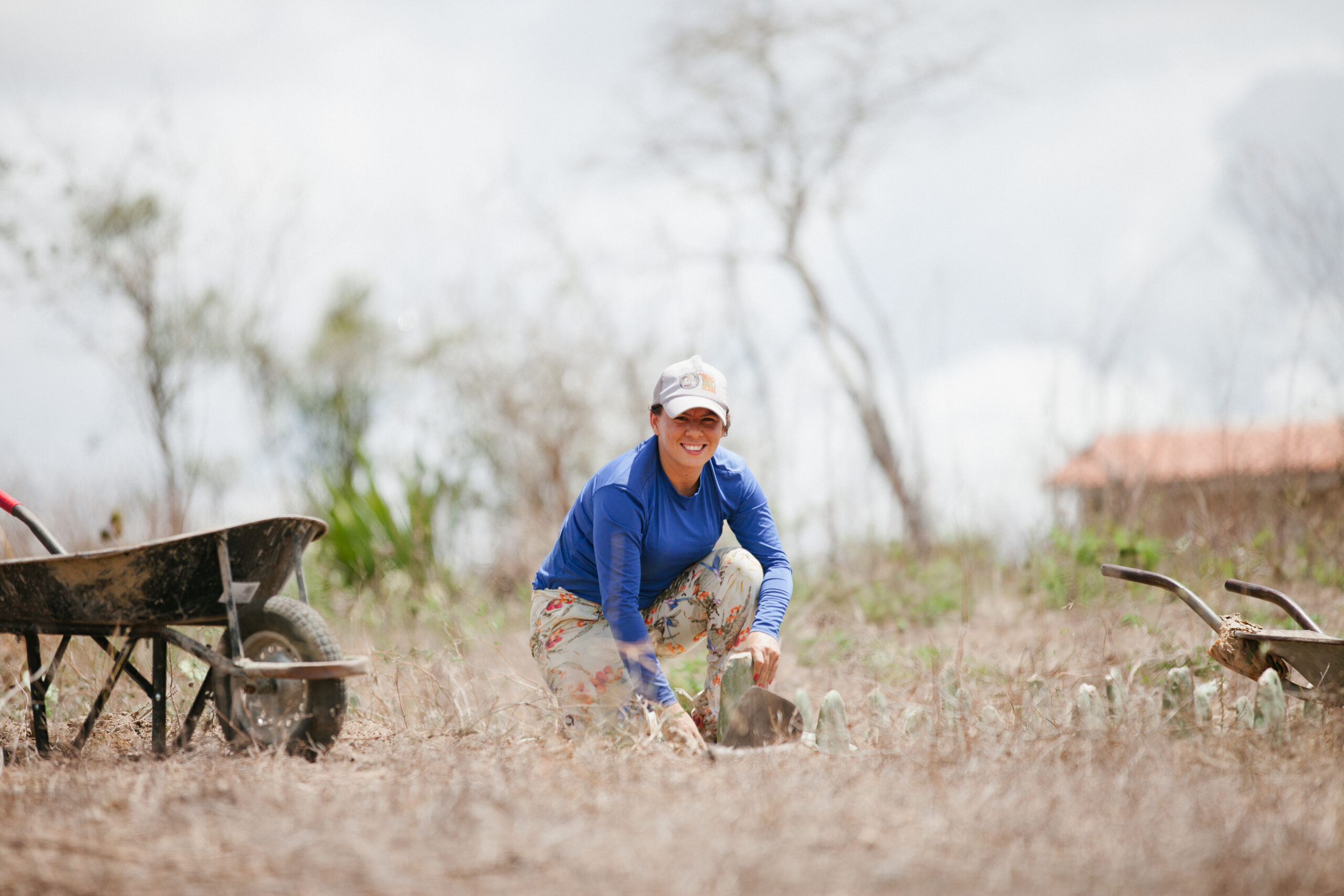
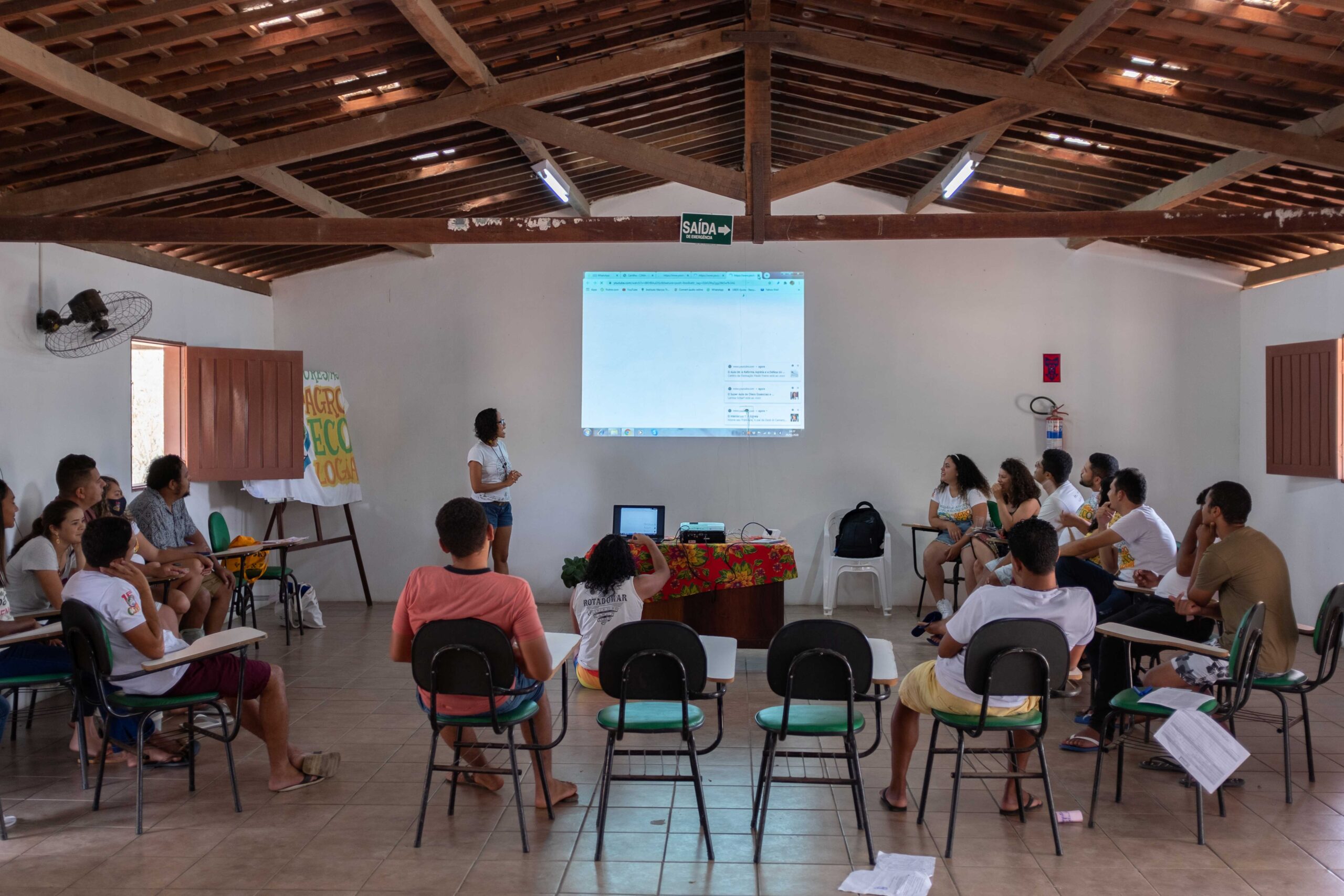
Tatiane Faustino, 31, participates in the agroecological workshop promoted by the Sabiá Center in the city of Santa Maria do Cambucá, located in the rural region of the state of Pernambuco.
The community of Santa Rita shares a common history with the Quilombola community of Águas Claras – it was founded by a family that left Águas Claras. Águas Claras, for its part, began to be populated in 1850 when the first residents arrived (João Patrício, Zé Gago, Petunila, Brasiliana, Maria da Onça and Constância). The community is located in a difficult to access. It is surrounded by mountains and close to the highest point in Pernambuco – Pico do Papagaio, which is approximately 1,200m high. Coming from the Quilombo do Livramento in search of land to live on and produce, the families gradually formed the community. Their houses were made of mud and stone by the Quilombo’s own craftsmen. The community takes its name from the large quantity of fresh, crystal-clear water found there. The people of this community had no land of their own to produce on and worked in farmers’ fields. In 2004, the community began to receive technical advice from the Sabiá Center through the Dom Helder Câmara project. In 2006 they began to receive support from the Wonder Woman Group, which works with Quilombola communities. From 2008 they developed a project Tankalé, which is training for audiovisual self-recording.
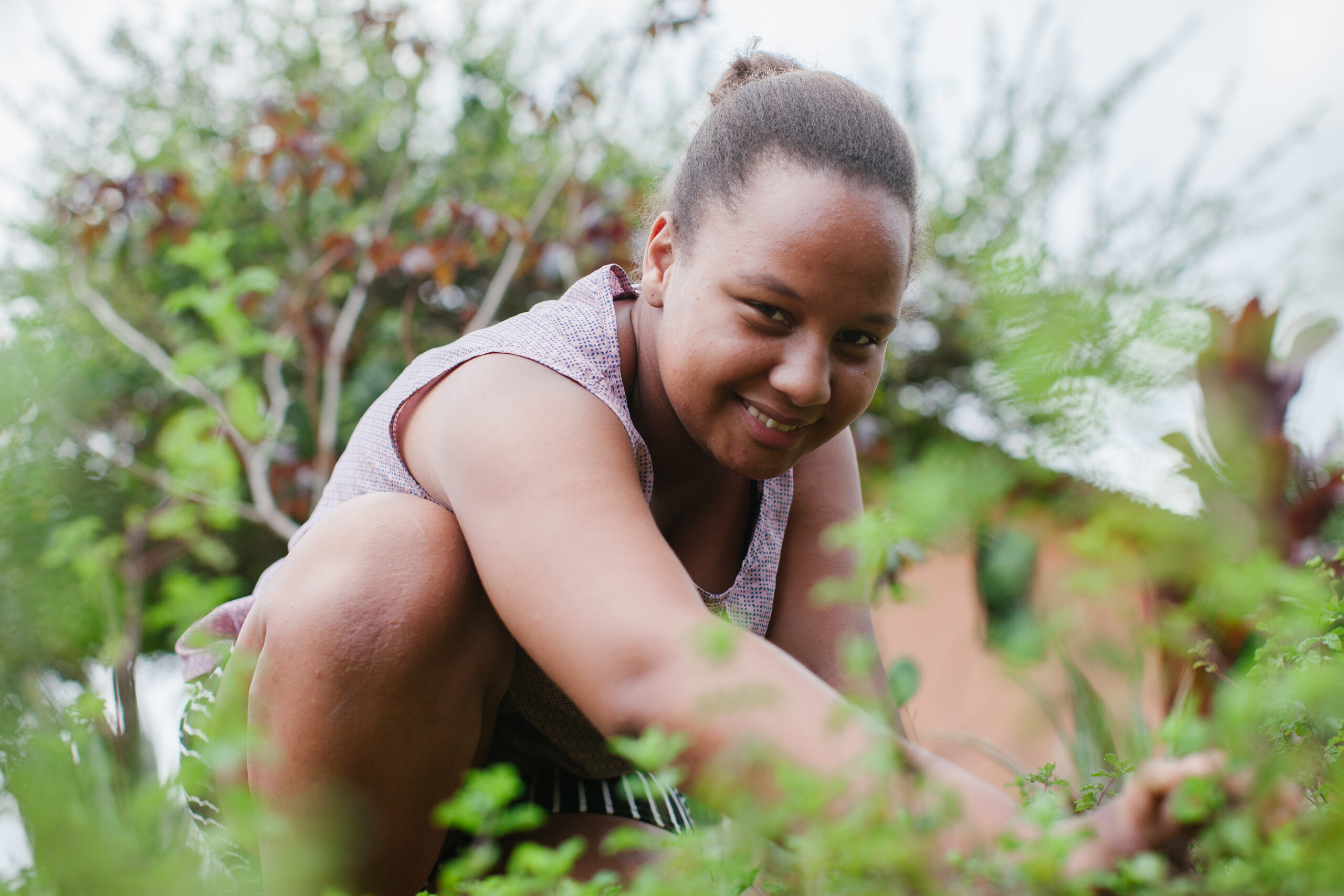
Zipora Lima, 16, a resident of the city of Rio Formoso-PE, implemented a small agroecological plantation supported by the Sabiá Center on his family property.

On April 16, the Federal Rural University of Pernambuco [UFRPE] launched the selection process for admission to the Bachelor’s Degree in Agroecology at UFRPE’s headquarters – Campus Dois Irmãos – for the 2026.2 semester.

Applications will be made exclusively via the internet, at the following website:https://selecao.ufrpe.br/, from May 4 to June 12, 2026.

Admission is based on the results obtained by the candidate in the National High School Exam [ENEM], with the cumulative requirement of having obtained a score above zero in the writing test in one of the five editions between 2021 and 2025.

The course aims to train professional educators in Agroecology, Peasantry and Popular Education, who will work in their different dimensions (educational, political, economic, productive, cultural, environmental, social, ethical, etc.), with a view to building and strengthening ecologically sustainable, socially egalitarian and politically democratic societies, with the peasantry as the central actor. The training is geared towards the world of work and citizen practice.

Who is the course for?
The course is primarily for family farmers and peasants, including land reform settlers, aquaculture farmers and artisanal fishermen. It also includes traditional peoples and communities, such as quilombolas, indigenous people and extractivists, as well as urban farmers, broadening access to training for different subjects who work and build agroecology in their territories.

The course is face-to-face and works on an alternating basis. Check out the announcement here!

Nothing found.
Compartilhe

Leave a Reply

Your email address will not be published. Required fields are marked *