

Sovereignty gardens: women’s knowledge of agroecology
By Neila Santos
General Coordinator of the Center for Labor Studies and Worker Assistance – CETRA
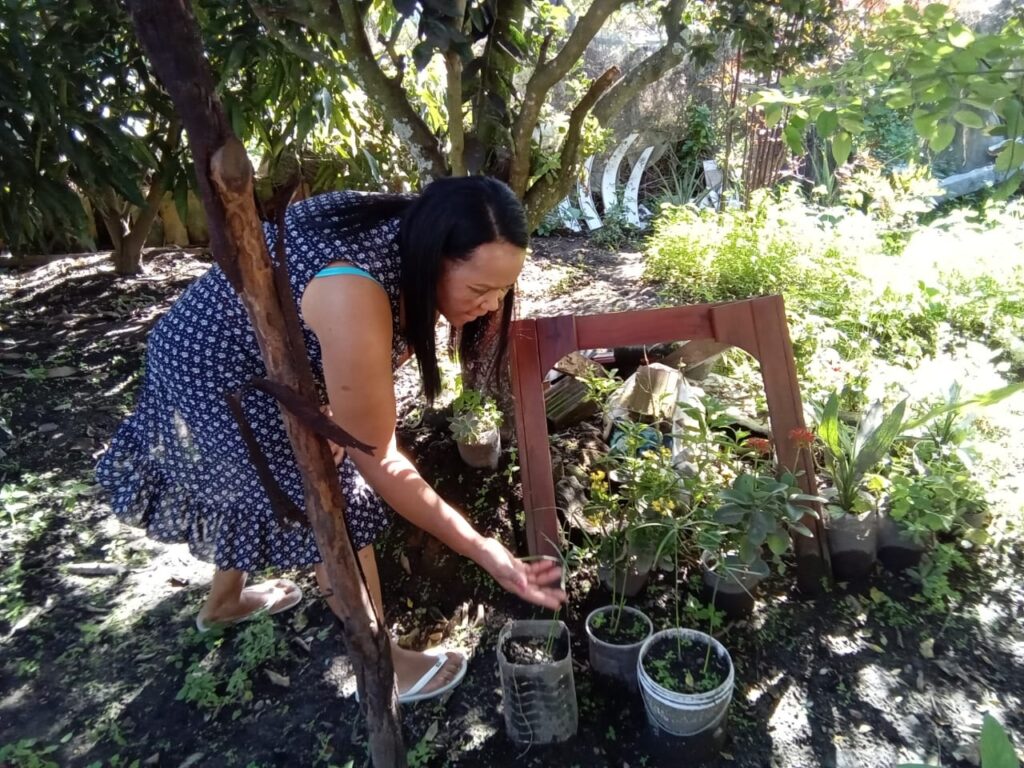
Rural women have always had the expression of caring for the land around the home, growing various plants such as fruit, vegetables and ornamental plants, as well as managing small animals that generally feed their families, generating non-monetary income that is often invisible to the formal economy.
Rural women in agriculture often don’t have their work valued. It is through mobilization and articulation for rights, financial and productive autonomy that the struggle of rural women is gaining strength and consolidating in our country.
The March of the Daisies, a demonstration of rural women workers from all regions of Brazil who march to Brasilia every four years, is the strongest mobilization of rural women in defense of social rights, against the various forms of violence inside and outside the home and for specific policies and programs for women. At the last march, in 2023, the Margaridas raised the issue of government investment in projects to strengthen productive farms.
In August 2023, the Lula government signed Decree No. 11.642, which instituted the Productive Backyard Program for Rural Women, under the Ministry of Agrarian Development and Family Agriculture (MDA) and the Ministry of Development and Social Assistance, Family and Fight against Hunger (MDS), and, through partnerships with Civil Society Organizations (CSOs), has been supporting actions to promote the economic autonomy of rural women by structuring productive backyards.
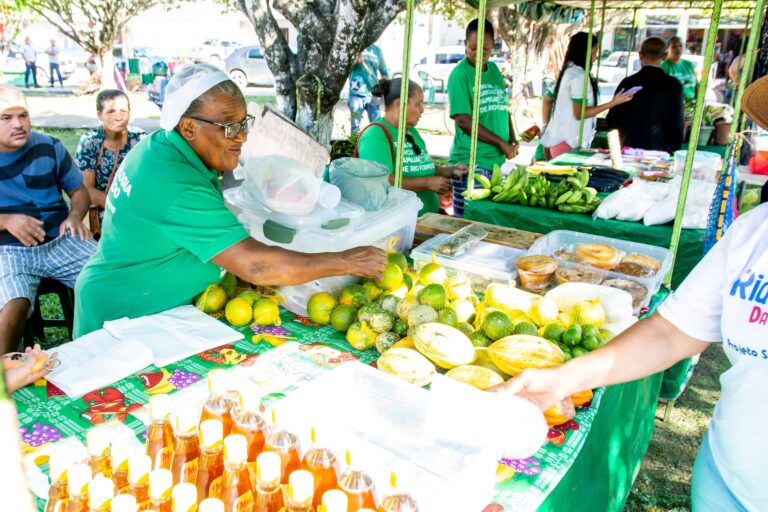
This is how the Backyards for Sovereignty Project was born, a partnership between CETRA and Centro Sabiá, which together are assisting 240 women from different categories in Ceará and Pernambuco: settlers, family farmers, extractivists, quilombolas, indigenous, fisherwomen and peri-urban women, 120 in each state. The project will strengthen the production of productive backyards, provide access to infrastructure, tools, machinery and essential resources for implementation, strengthening, management and management, as well as training and exchanges of experiences and encouraging the sale of surplus healthy food at fairs, public and institutional markets.
In addition, women’s work will be recorded through agroecological notebooks, which, by recording what they produce and where it is used, show the contribution of women’s work to feeding and supporting their families.
Nothing found.