

Youth occupy strategic space in Brazilian diplomacy
By Vitor Diego
Pedagogue, Agroecology technician and young Agroecology Multiplier
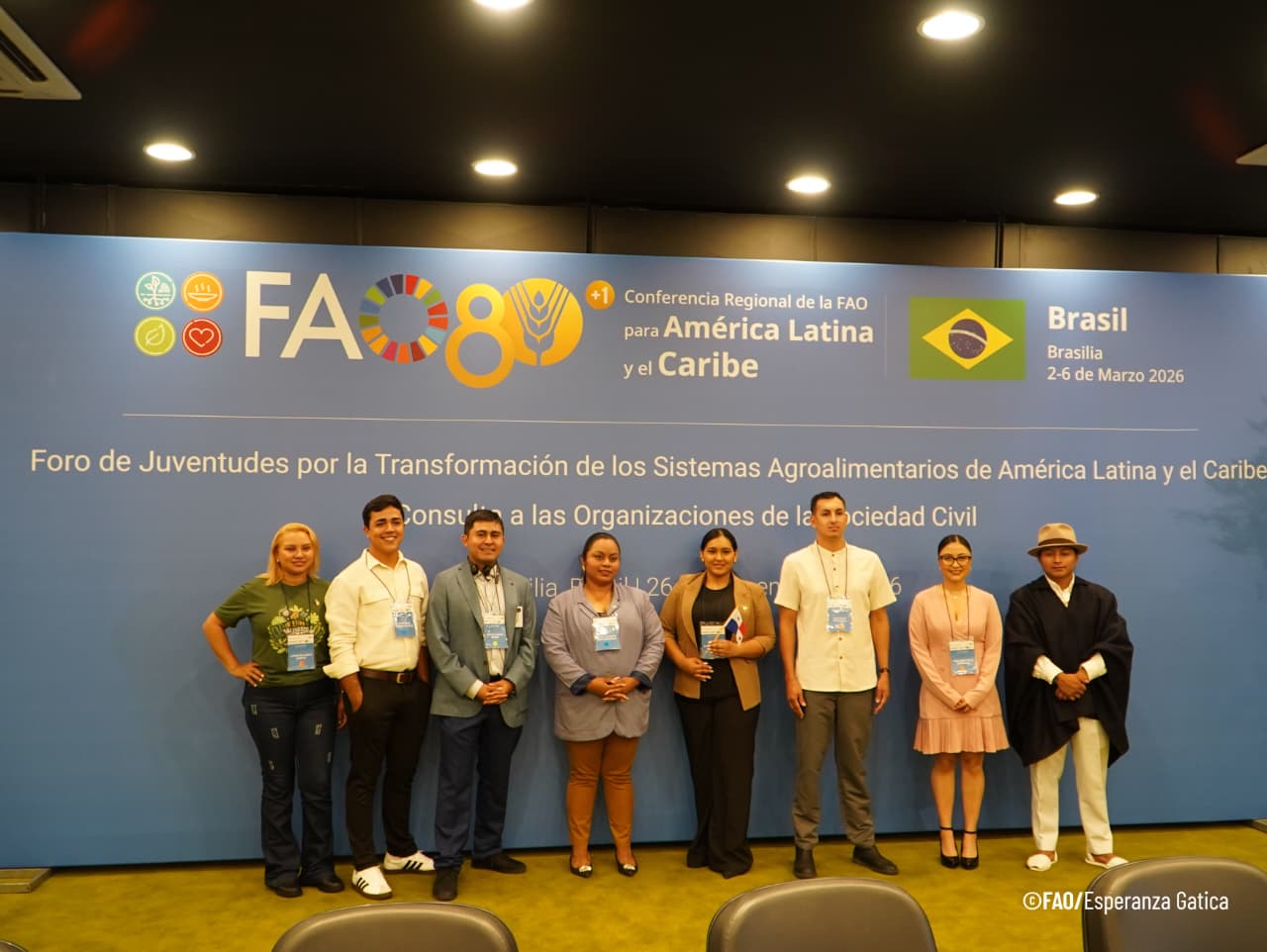
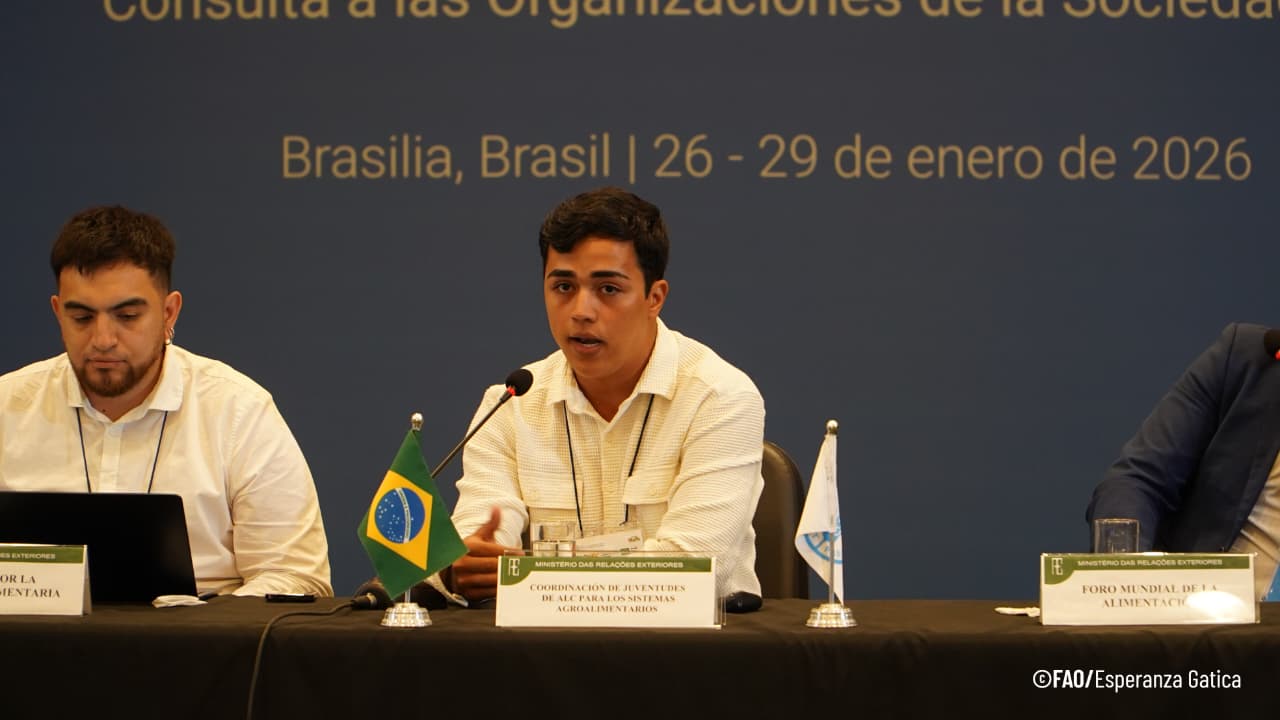
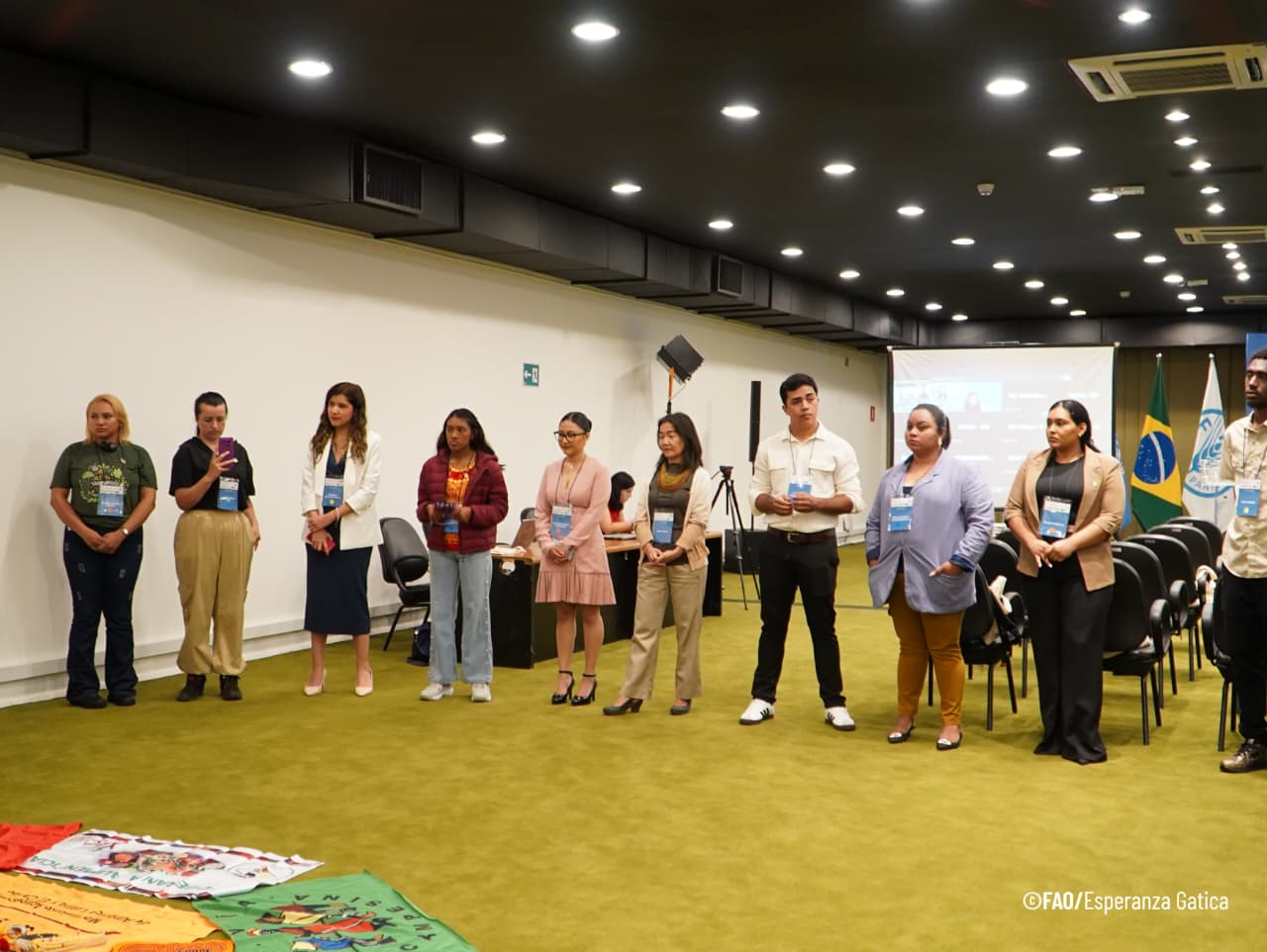
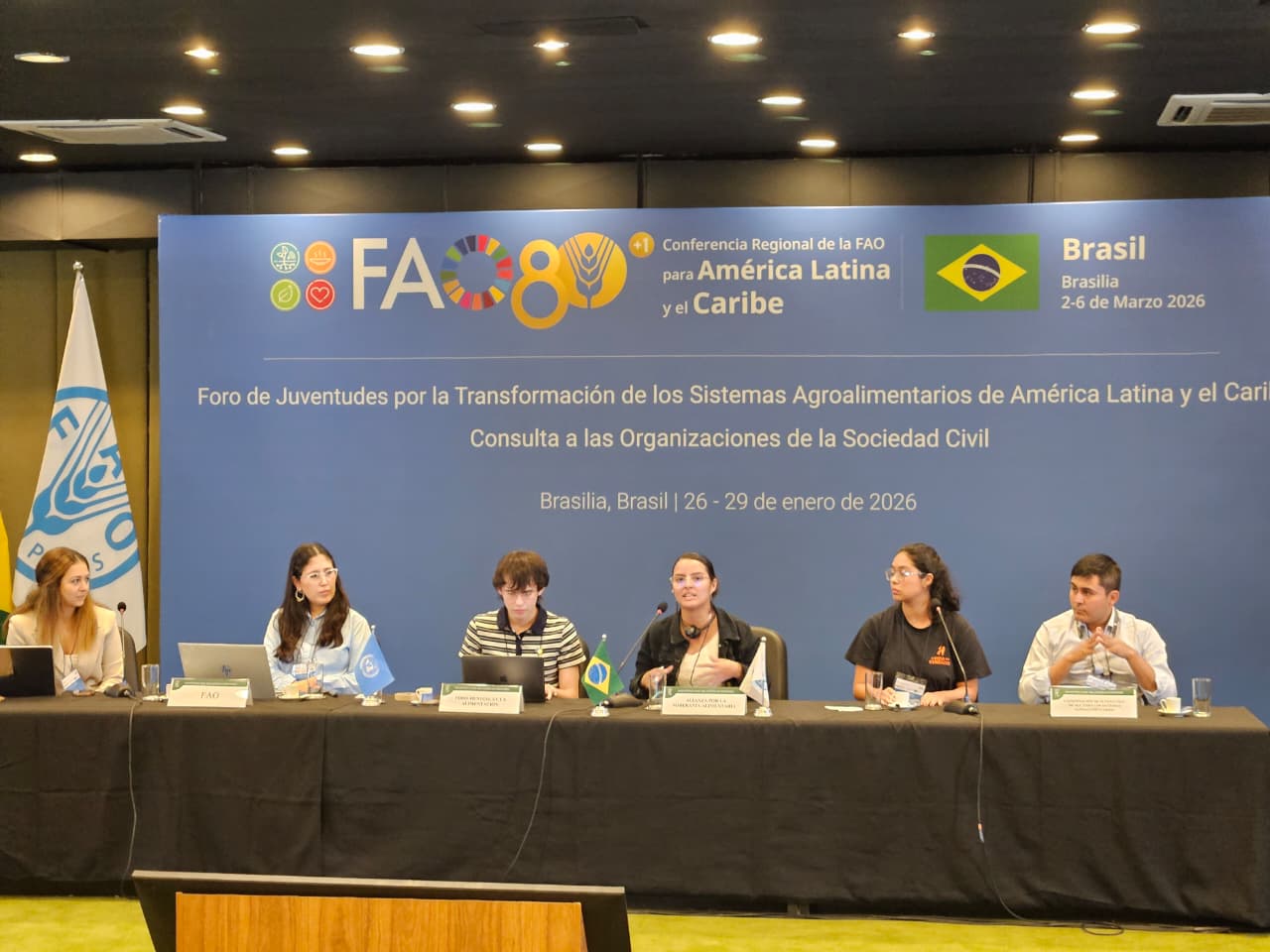
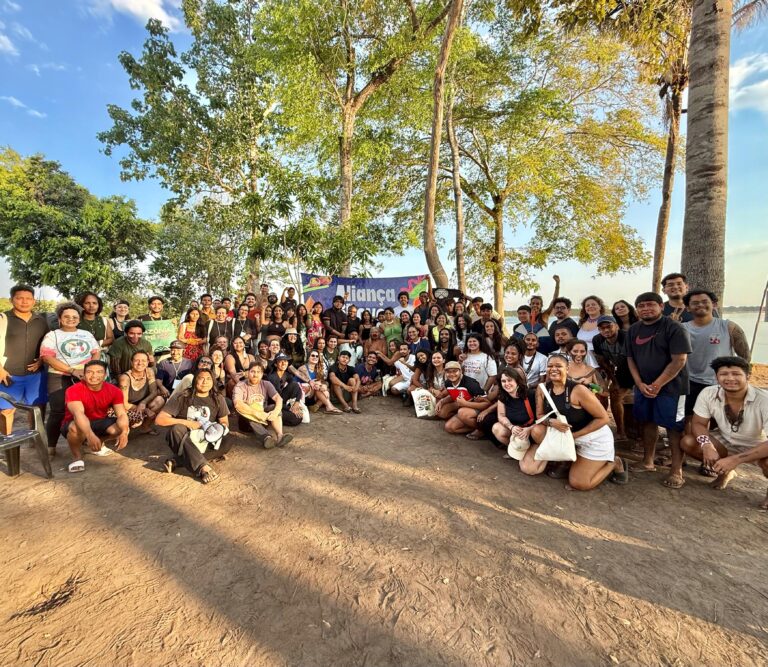
On January 26 and 27, the Ministry of Foreign Affairs, through Itamaraty, held the Youth Forum for the Transformation of Agrifood Systems in Latin America and the Caribbean at the Itamaraty Palace. The meeting brought together young peasant leaders, indigenous people, Afro-descendants, fisherwomen, family farmers, migrants and representatives of more than 145 organizations and collectives from the region, consolidating itself as a political milestone for youth advocacy in debates on food sovereignty and security.
Held in one of the main symbols of Brazilian diplomacy, the Forum was structured as a space for dialog, articulation and regional advocacy. The process that resulted in the meeting included consultations and moments of co-creation in the sub-regions of the Caribbean, Mesoamerica and South America, strengthening mechanisms for linking diverse young people.
The debate was aligned with the strategic framework of the Food and Agriculture Organization of the United Nations (FAO), especially the four improvements advocated by the organization, Better Production, Better Nutrition, Better Environment and Better Life, and was part of the preparatory process for the FAO Regional Conference for Latin America and the Caribbean.
During the two days, central themes were discussed such as:
– Access to and regularization of land for rural youth;
– Credit and financing with less bureaucracy;
– Food education and strengthening school and community gardens;
– Climate justice and youth participation in decisions on energy transition;
– Confronting forced displacement of rural youth;
– Permanent inclusion of youth in governance spaces.
As a result of the participatory process, the Preliminary Declaration of Youth for the Transformation of Agrifood Systems in Latin America and the Caribbean was presented, a political document that systematizes the main gaps and demands identified.
The declaration highlights structural problems that directly affect young people in the region, such as:
– Difficulty of access to land and financing, aggravated by land concentration and historical inequalities;
– Lack of public policies for food education and support for local production systems;
– Disconnection between climate policies and the reality of the territories;
– Absence of young people – especially rural, indigenous, Afro-descendants and LGBTIQ+ – in decision-making spaces.
The document also presents priority demands for the 2026-2027 biennium, among them:
– Creation of specific financial products for young people;
– Implementation of native seed banks and school gardens;
– Regional system for collective and secure access to land;
– Integrated public policies to guarantee a dignified life in rural areas;
– Institutionalization of youth participation in governance mechanisms;
– Creation of a regional youth mechanism to monitor the agreements of the FAO Regional Conference.
In a firm tone, the declaration reaffirms:
“Without youth there is no food sovereignty.”
And it reinforces that the presence of young people is not a concession, but a condition for building fair, resilient and sustainable agri-food systems.
Participation and protagonism: the view of young people on food security in Latin America and the Caribbean
Hicela, a young woman from the city of Cortés in Honduras and a member of SICA’s rural youth organization, said that the Youth Forum on Food Security, held in Brasilia, represented a historic space for young people from Latin America and the Caribbean to meet, dialogue and build collectively.
The Forum, held in preparation for the United Nations Food and Agriculture Organization (FAO) Regional Conference and organized by the Brazilian Ministry of Foreign Affairs (Itamaraty), was not just an institutional event, but a concrete opportunity to strengthen the active participation of young people committed to the sustainable development of their territories.
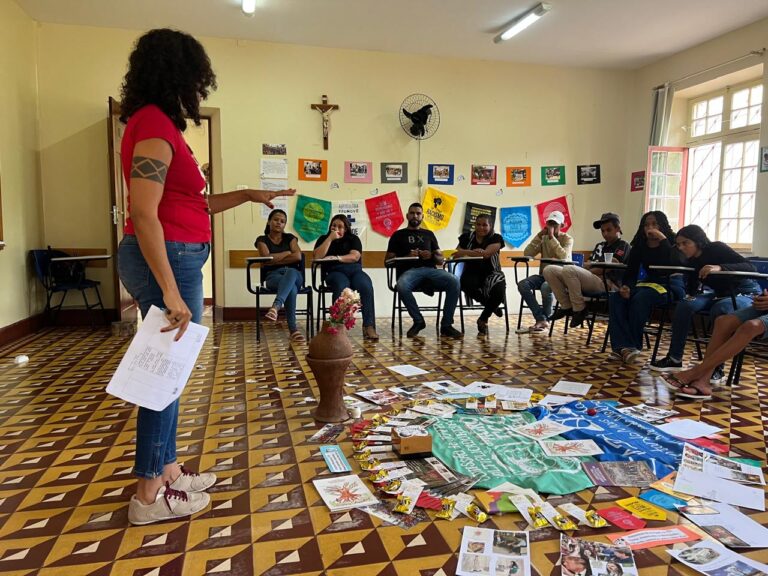
Young people from different countries – from rural areas, farming, fishing and indigenous communities – men and women with different realities but common challenges, came together to share experiences, learnings and concerns. The cultural diversity present was not an obstacle, but a strength: it broadened the dialog and deepened the regional understanding of food security.
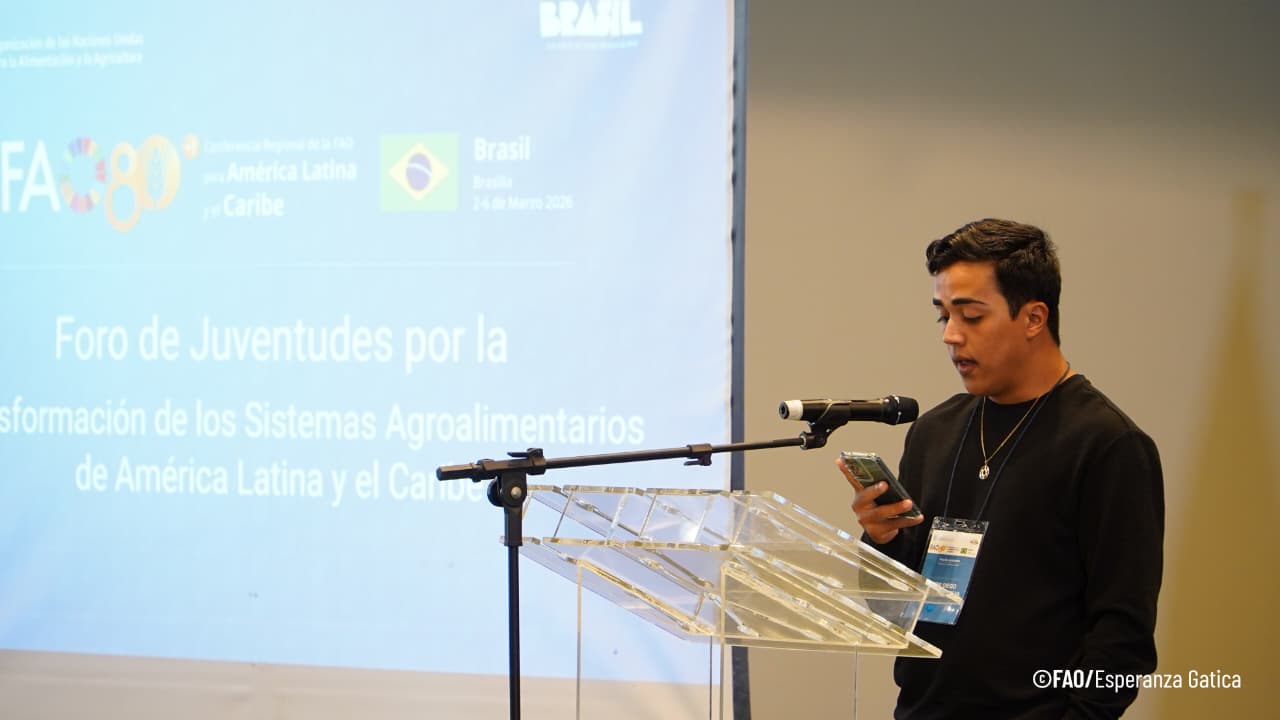
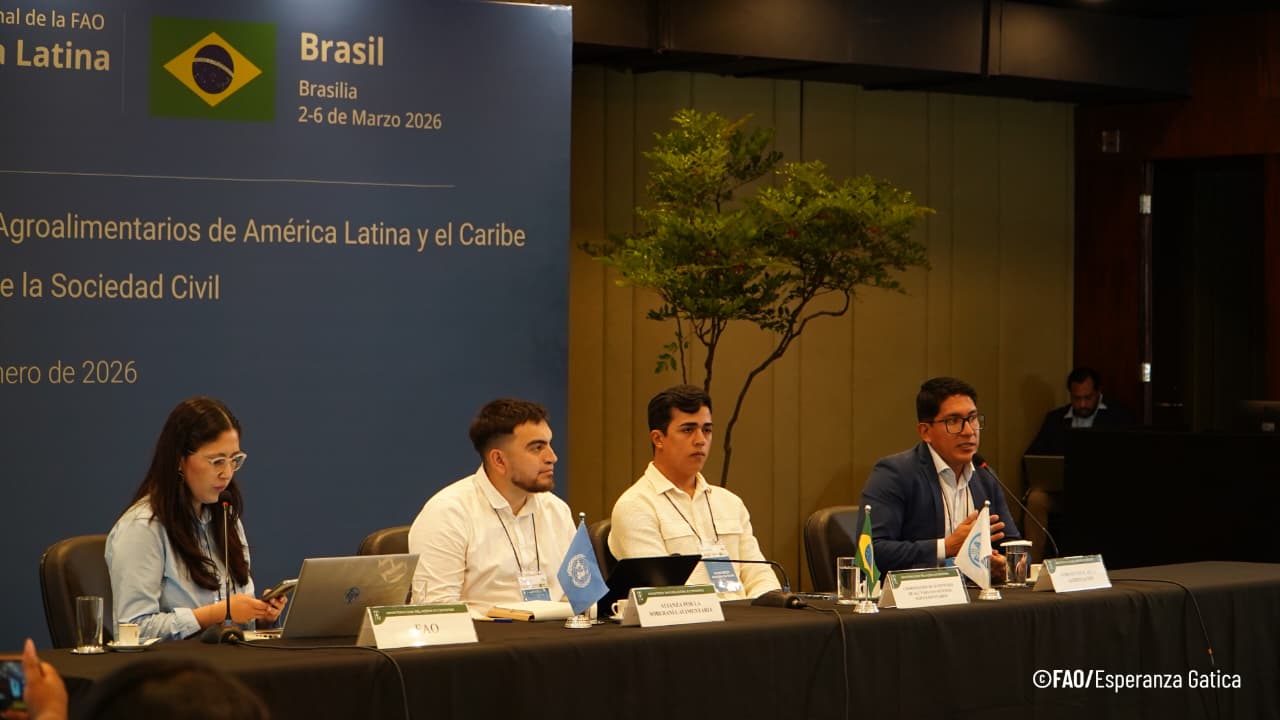
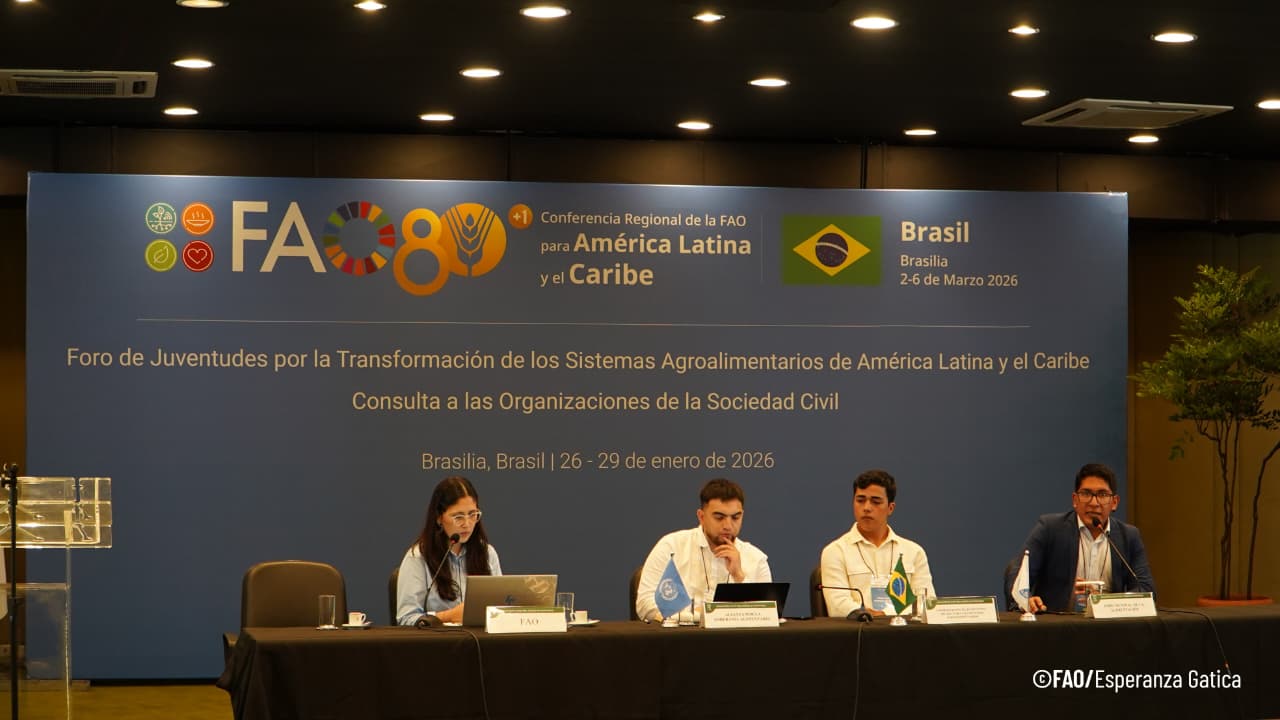
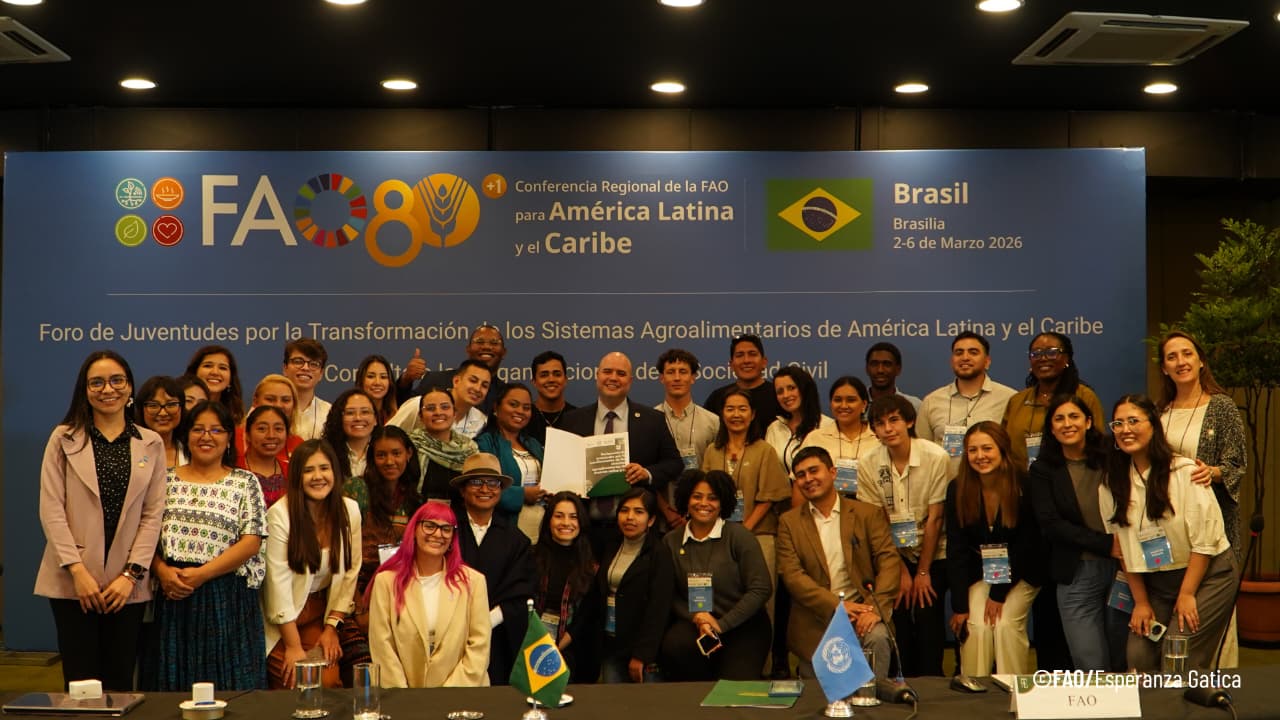
During the debates, shared needs were identified:
– Access to land;
– Supporting local production;
– Recognizing the work of rural youth;
– Protecting natural resources;
– Guaranteeing the right to adequate food.
Even with different contexts, the voices converged on the urgency of inclusive, sustainable and territorialized public policies.
One of the milestones of the meeting was the collective construction of the Youth Declaration, a document that unifies demands, proposals and solutions. The process symbolized the strength of youth organization and reaffirmed the importance of political influence in decision-making spaces. The declaration not only expresses demands, but also the dreams and commitments of a generation that wants to transform its realities.
The Forum also stressed that food security goes beyond food production. It is a commitment to social justice, equity, environmental sustainability and opportunities for future generations. Youth reaffirmed their role as strategic actors in building resilient and equitable food systems.
The event consolidates a significant advance by formally recognizing young people as political subjects in the regional agri-food systems agenda. By institutionalizing the Forum as part of the preparatory process for the FAO Regional Conference, an important precedent was set: youth participation is no longer a one-off, but is now seeking permanence and structure within regional governance.
More than just a meeting, the Forum represented:
– Strengthening regional youth networks;
– Expanding organized political advocacy;
– Recognizing agroecology as a structuring axis of food systems;
– Building a common Latin American and Caribbean agenda.
Holding the Forum in Brazil projects the region as a protagonist in building fairer, more sustainable food systems based on the sovereignty of peoples.
As an educator, agroecology technician and young agroecology multiplier, I understand that this Forum marks a strategic moment for Latin American rural youth.
Firstly, because it breaks with the historical logic of making young people invisible in decision-making processes. It wasn’t just a question of listening to young people, but of building a concrete agenda with them.
Secondly, because it consolidates agroecology as a structuring path for tackling the climatic, social and economic challenges facing our territories. Young people have shown that they are not just demanding rights, but presenting technical, viable and territorialized proposals.
Thirdly, because it strengthens the collective identity of youth in Latin America and the Caribbean. By engaging in dialogue at a regional level, we expand our capacity for articulation and advocacy, recognizing that our challenges, such as access to land, credit, technical assistance and markets, are common and require integrated responses.
The Forum leaves a clear message: youth is not just the future, it is the active present that produces, cares for, organizes and transforms. We are a generation that is building concrete alternatives to guarantee food sovereignty, social justice and sustainability for the peoples of our region.
Nothing found.