
Civil society discusses the State Action Plan to Combat Desertification and Mitigate the Effects of Drought
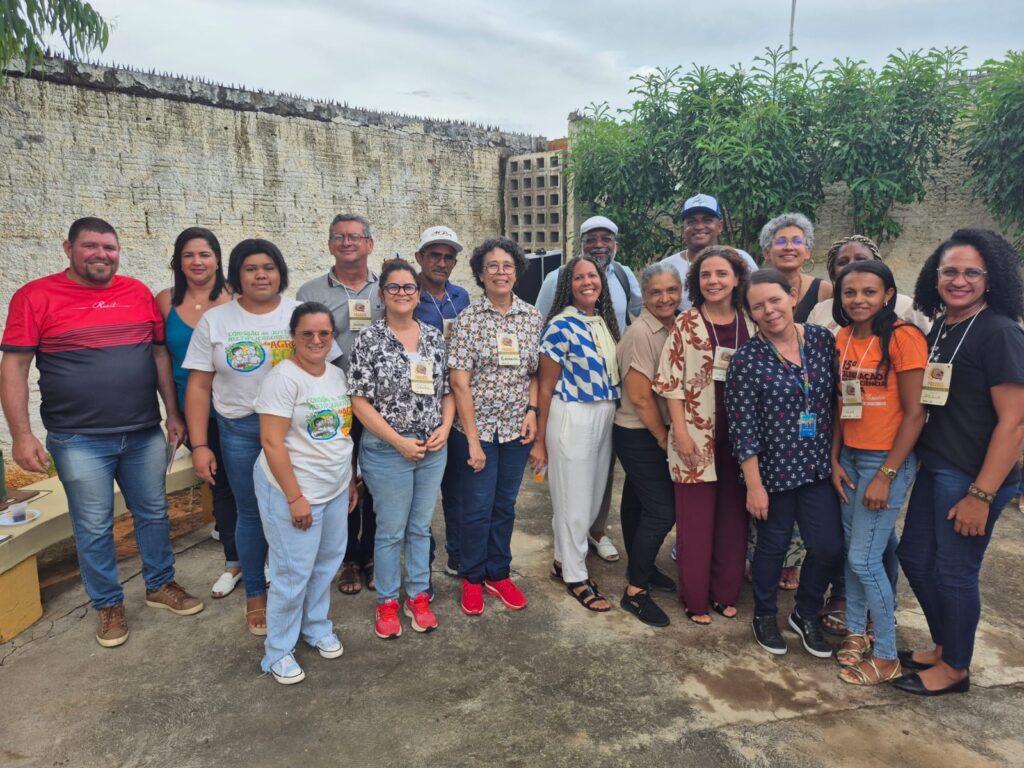
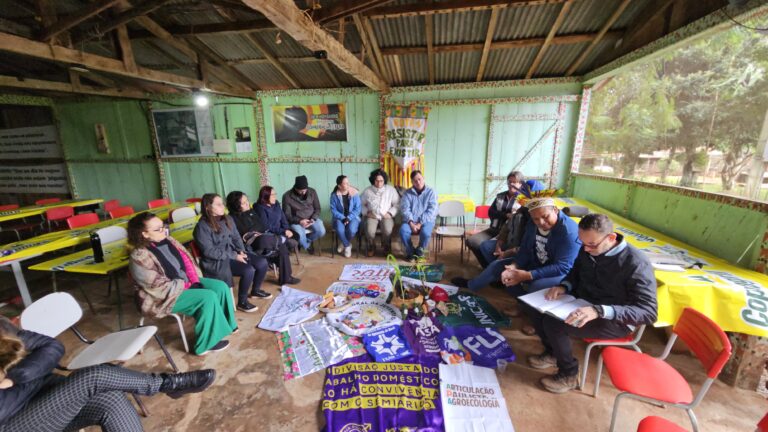
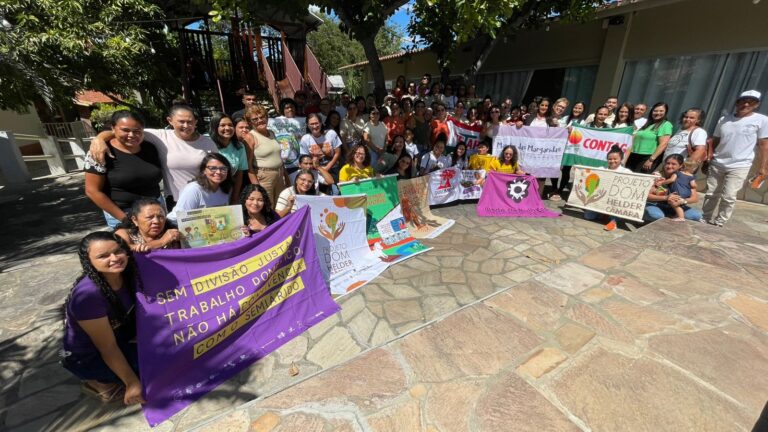
The Seminar to Update the State Action Plan to Combat Desertification and Mitigate the Effects of Drought (PAE-PE) took place on March 23 and 24, 2026, in the city of Salgueiro, in Pernambuco’s Central Hinterland. The event brought together representatives of civil society, public authorities and non-governmental organizations for two days of intense debate and reflection on the challenges and advances in tackling climate change in the semi-arid region.
On the first day, there was an opening session, made up of representatives from public authorities, civil society and NGOs, which was marked by reflections on the first version of the plan and expectations about updating it. On the second day, the participants were divided into working groups by theme.
Axis four dealt with improving the living conditions of the population affected, with the contribution of young farmer and Univasf student Guilherme Delmondes, who is involved in youth organizations. He emphasized that access to land is fundamental to living well in the semi-arid region, pointing out that many young people leave their territories because they don’t have their own land to generate income. He also emphasized the importance of reducing bureaucracy in access to credit and expanding educational opportunities for rural youth.
On axis two, adaptations to climate change and mitigating the effects of drought were discussed, with the participation of young Valdirene Alves, an agroecology multiplier. She highlighted the importance of the space to listen to civil society, highlighting problems such as precarious water infrastructure, increased deforestation and soil degradation. In addition to the challenges, solutions were pointed out such as coexistence with the semi-arid region and the strengthening of existing public policies, such as 16,000 liter cisterns, sidewalk cisterns and the reuse of grey water, initiatives that contribute to the strengthening of agroecology and the recovery of degraded areas.
Despite the limited speaking time, the participation of young people was considered a significant step forward, as it was the first time that young people had been invited to take part in this space for collective construction, contributing their experiences and perspectives.
The presence of young people from the Commission of Young Agroecology Multipliers (CJMA) in the reformulation of the PAE-PE reaffirms the importance of including different voices in the construction of public policies aimed at the semi-arid region. In this context, updating the plan is a strategic opportunity to align actions with the real needs of the population, valuing traditional knowledge and sustainable practices.
The importance of integration between sectors such as agriculture, the environment, education and water resources was also highlighted, strengthening a more coordinated approach to tackling desertification. In addition, the need for continued investment in social technologies, such as water harvesting, agro-ecological practices and the recovery of degraded areas was emphasized.
As a result, the commitment to strengthening popular participation in the next stages of the plan was reinforced, especially in its implementation, ensuring that historically excluded voices such as women, young people and family farmers are heard. In this way, the seminar in Salgueiro not only contributed to updating the state plan, but also reaffirmed the importance of civil society participation and collective construction as fundamental ways of tackling the environmental and climate challenges in the semi-arid region of Pernambuco.
Nothing found.