
I Course on Youth and Rural Succession: training that strengthens the future in the countryside
By Vitor Diego
Young educator and agroecology multiplier
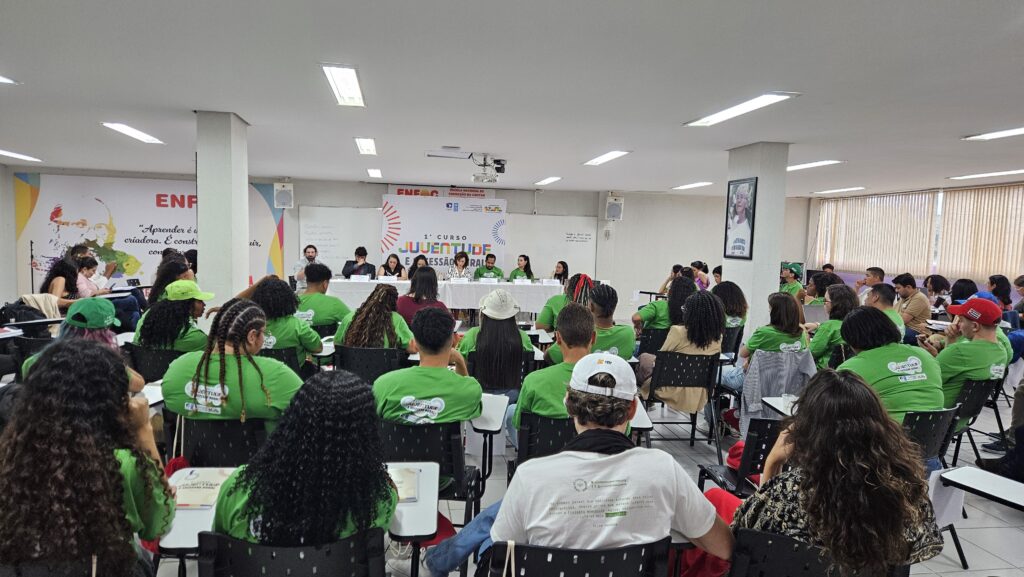
On March 9 and 10, 2026, the first module of the 1st Youth and Rural Succession Course took place in Brasília (DF). The initiative is unprecedented and aims to prepare young rural people to take on leadership roles, ensure the continuity of family farming and strengthen their rural communities.
Promoted by the Ministry of Agrarian Development and Family Farming (MDA), in partnership with the National Youth Secretariat (SNJ) and other institutions, the course also has the technical support of FLACSO Brazil, an institution recognized for its work in the area of training and social research.
The course aims to:
- valuing the diversity of Brazilian rural youth;
- promoting the permanence of young people in the countryside, waters and forests;
- encouraging rural succession by preparing young people to take on management, planning and innovation on family farms.
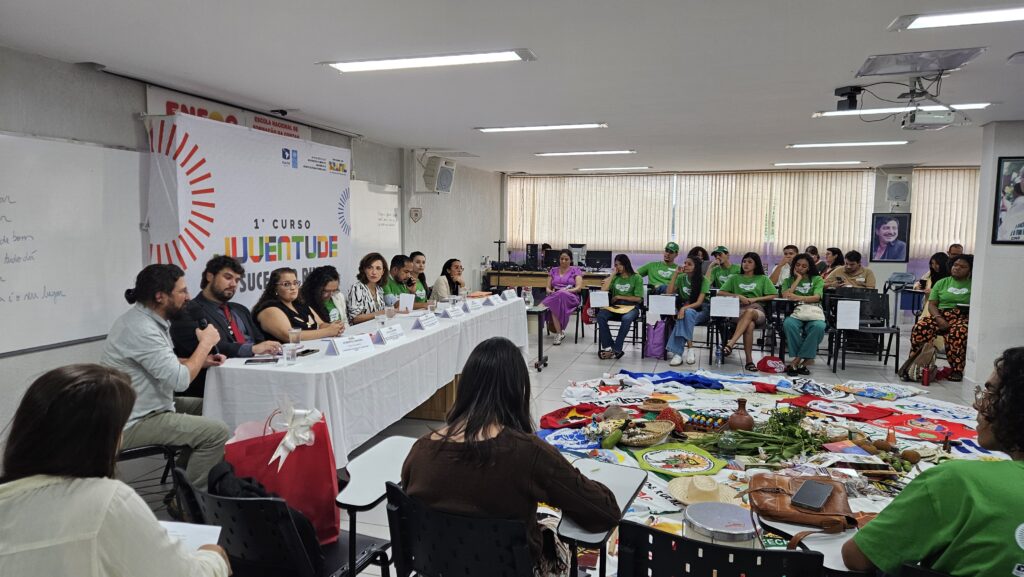
The training responds to a historical demand from social movements and rural organizations for initiatives aimed at rural succession and youth protagonism. It is also part of the National Plan for Youth and Rural Succession, which articulates public policies to guarantee access to land, credit, education and social rights.
Aimed at young people, with priority given to members of Traditional Peoples and Communities (PCTs), black youth and LGBTQIAPN+, the course lasts 96 hours and takes place in a hybrid format, with face-to-face meetings and online classes.
The participation of young people in rural areas is fundamental for the continuity of productive activities, as well as promoting innovation, strengthening communities and guaranteeing a sustainable future. Investing in training these young people contributes to:
- expanding access to new technologies and production practices;
- strengthening the economic and social autonomy of rural families;
- promoting social justice and inclusion in historically marginalized territories;
- combating the rural exodus by encouraging new generations to stay in the countryside.
The educational content has been divided into five modules, designed to train young people in a broad and integrated way, with hybrid classes scheduled until mid-May:
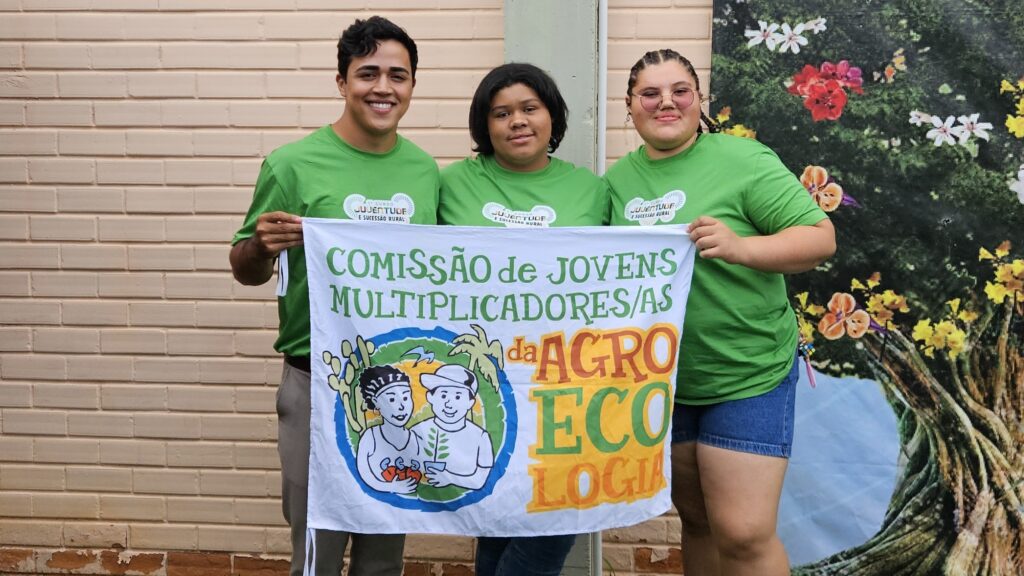
- Rural youth: identities and life projects
Explores how the experience of being young in rural areas shapes values, dreams and professional prospects. - Territory: a place of life
Addresses the importance of territory as a space for production, coexistence and identity. - New technologies and public policies
Presents technological tools and explains how public policies can benefit youth and family farming. - Rural succession planning and management
Teaches strategies for planning the transition of ownership, with a focus on efficient management and income generation. - Popular education and formative educational processes
Discusses methodologies that value traditional knowledge and collective perspectives in the countryside.
The course brings together young people from different regions of Brazil and also from other South American countries, promoting the exchange of experiences and the strengthening of ties between rural communities. Participants point out that this type of training broadens horizons, strengthens identities and creates support networks that go beyond family borders.
By training young people to understand, innovate and transform the reality of rural life, initiatives like this contribute directly to building a more resilient, productive and fair countryside for generations to come.
David Wilkerson, 18, from Lagoa de Itaenga (PE) and a member of the Conexão Social Association, says: “Taking part in the first module of the Youth and Rural Succession Course was a life-changing experience. Throughout the lessons, I was able to understand the importance of taking on a leadership role in the countryside and ensuring the continuity of family farms. What struck me most was the exchange of experiences with other young people from different regions, all with the same desire to innovate and improve the reality in the countryside. Each module will be essential in preparing me for the future of my property and my community. Furthermore, understanding rural succession as a planned and conscious process was a turning point.”
Nothing found.